
ECG Test in Dubai: A Complete Guide to Heart Health
Your heart works continuously to supply oxygen-rich blood throughout your body. Monitoring its activity is an important part of maintaining good health, especially when you experience symptoms such as chest discomfort, an irregular heartbeat, dizziness, or unexplained shortness of breath. An ECG test is a simple, non-invasive medical test that helps healthcare professionals assess the electrical activity of your heart.
If you are looking for an ECG test in Dubai, understanding how the procedure works, why doctors recommend it, and what the results may indicate can help you feel more confident about your heart health.
In this guide, we explain everything you need to know about an electrocardiogram test, including its benefits, preparation, procedure, and frequently asked questions.
What Is an ECG Test?
A diagnostic test that records the electrical activity of the heart is an electrocardiogram, or ECG, or EKG. These signals control your heartbeat and assist your heart in pumping blood properly.
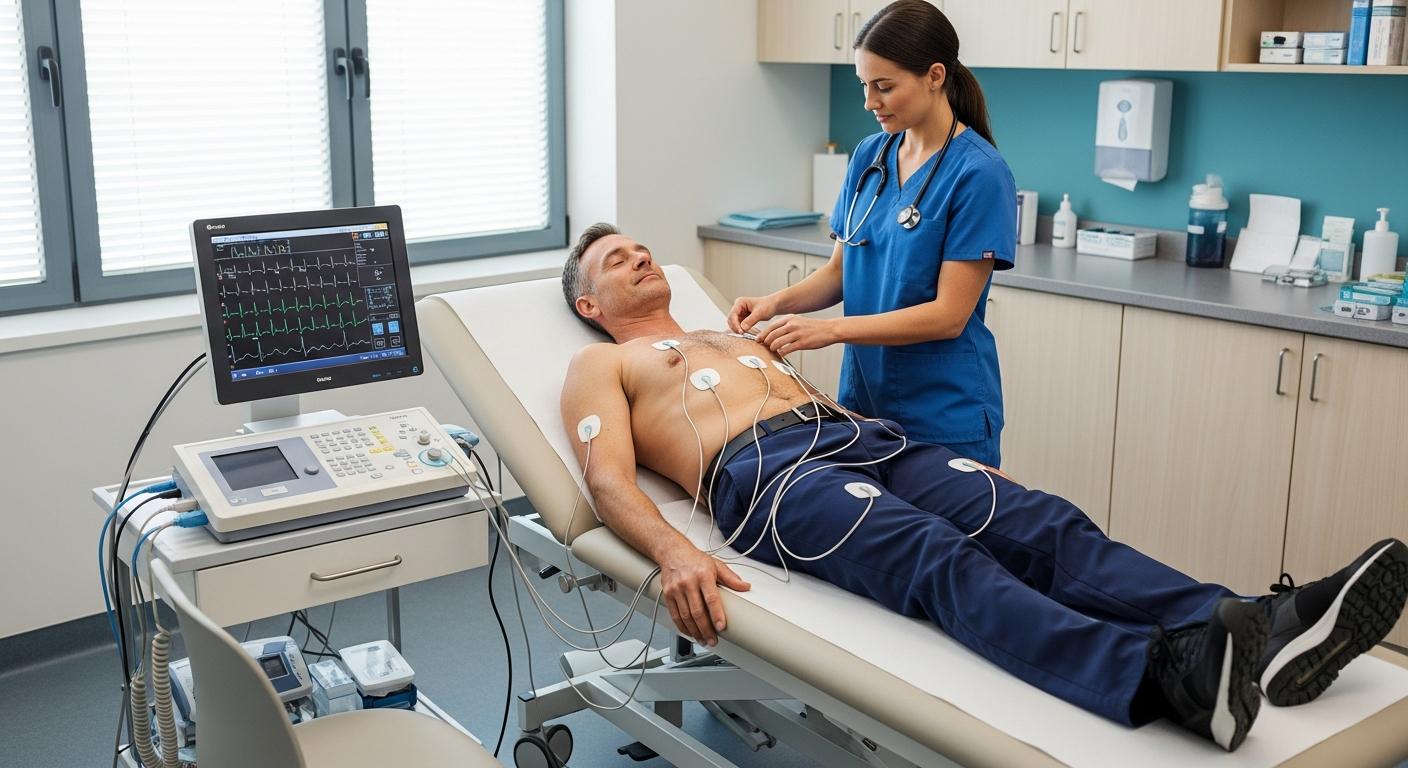
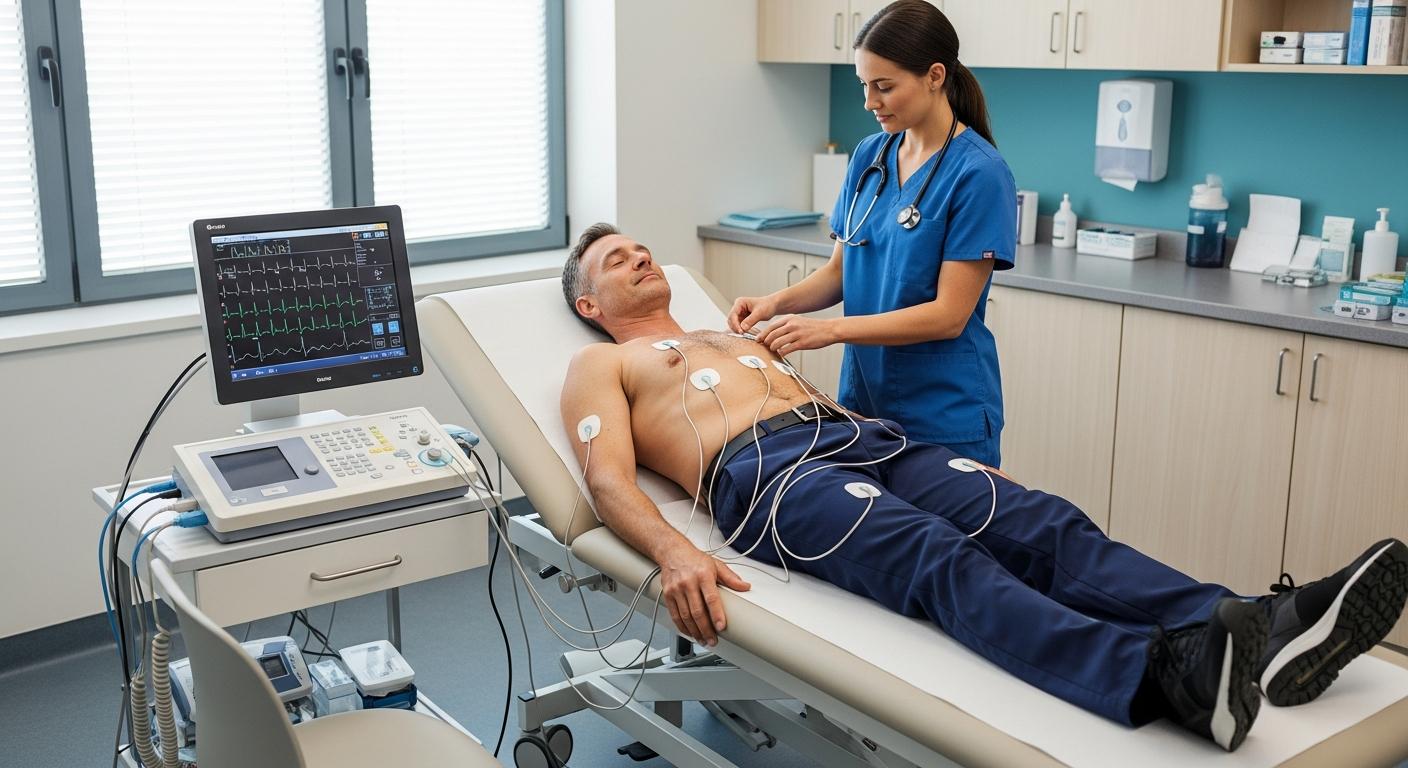
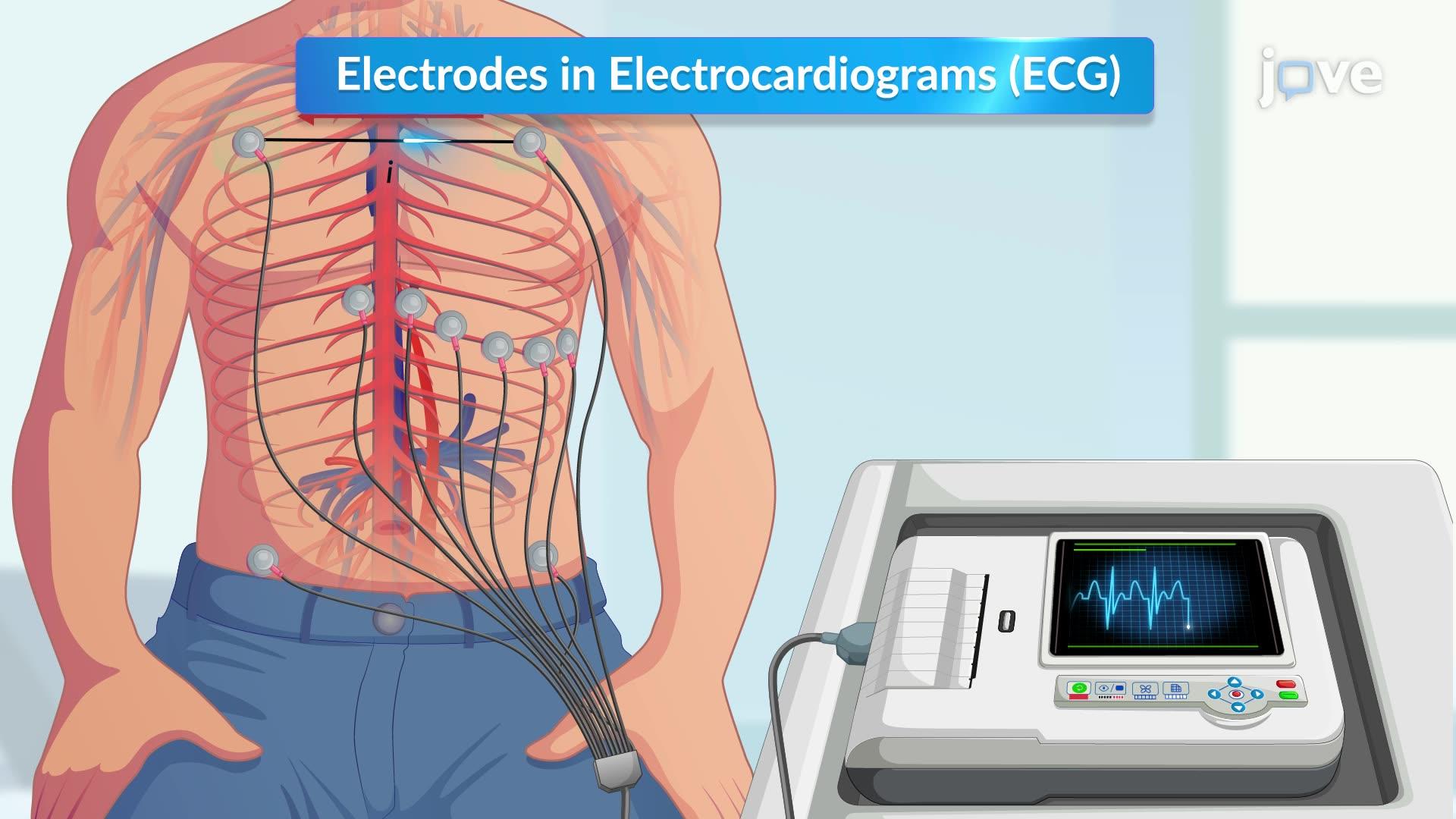
A doctor does an ECG test by attaching small sticky electrodes to certain parts of the body, including the arms, legs and chest. These electrodes pick up the electrical signals and send them to a machine that records them graphically, showing your heart’s activity.
Your child’s doctor reviews the recording to determine the heart’s rhythm, rate, and some electrical patterns.
Generally an ECG test is painless, there’s no needles and no X-rays. It takes only a few minutes and is a helpful component of an evaluation.
If an assessment of your heart’s condition is required, a doctor will be able to decide if an ECG test is suitable for you depending on your symptoms, medical history and personal risk factors.
Why Do Doctors Recommend an ECG Test?
Doctors may recommend an ECG test for several reasons. It can help investigate symptoms, evaluate certain heart conditions, and monitor heart health when clinically appropriate.
Common reasons include:
1. Chest Pain or Discomfort
Chest pain can have several causes, including muscle strain, digestive problems, and heart-related conditions. An ECG may help identify electrical changes associated with certain heart problems, including a heart attack.
However, a normal ECG does not rule out every serious heart condition. Additional tests may be necessary.
2. Irregular Heartbeat
An irregular heartbeat, also known as an arrhythmia, occurs when the heart beats too quickly, too slowly, or with an abnormal rhythm. An ECG can help identify many rhythm abnormalities that occur during the recording.
3. Dizziness or Fainting
Unexplained dizziness or fainting may sometimes be associated with heart rhythm problems. A doctor may recommend an ECG as part of an assessment to investigate possible causes.
4. Shortness of Breath
Breathlessness can result from several medical conditions, including respiratory and cardiovascular problems. An ECG may provide useful information when a healthcare professional evaluates unexplained shortness of breath.
5. Monitoring an Existing Heart Condition
Patients with certain heart conditions may need ECG testing to monitor changes in their heart rhythm or electrical activity. Doctors may also use ECG results to assess the effects of selected medications or follow up after certain medical procedures.
What Conditions Can an ECG Test Detect?
An ECG test can provide valuable information about the electrical activity of your heart. DDepending on the results, it could assist health care providers to detect or explore:
Abnormal heart rhythms: Such as atrial fibrillation and some other arrhythmias.
Fast or slow heart rates: Heart rates that might need more evaluation.
Possible heart attack: Some of the ECG changes may be the sign of a previous or current heart attack.
Myocardial ischaemia (possible reduced blood supply to the heart): Electrical changes may indicate reduced blood supply to the heart.
Conduction abnormalities: Any abnormality of the way the electrical signals get through the heart.
Enlargement of a heart chamber may be suggested by some ECG patterns (possible enlargement).
Some heart conditions cannot be detected by an ECG test. Some abnormalities may not be seen in a short recording, and some findings will necessitate further investigations.
Depending on your symptoms and ECG readings, you might need blood tests, an echocardiogram, ambulatory heart monitoring or other tests.
How Is an ECG Test Performed?
An ECG test is a straightforward procedure that generally does not require complicated preparation.
Here is what you can expect during an ECG test in Dubai.
Step 1: Initial Assessment
A healthcare professional may ask about your symptoms, medical history, medications, and the reason for the test. This information helps put the ECG findings into the appropriate clinical context.
Step 2: Preparing for the Test
You may be asked to remove clothing from your upper body and lie comfortably on an examination bed. Your skin may be cleaned to help the electrodes adhere properly.
Step 3: Placing the Electrodes
Small adhesive electrodes are attached to your chest, arms, and legs. They are connected to an ECG machine through wires or sensors.
Step 4: Recording Your Heart Activity
You will usually be asked to remain still and breathe normally while the machine records your heart’s electrical signals. The recording itself generally takes only a few seconds, although the complete appointment may take longer.
Step 5: Reviewing the Results
A qualified healthcare professional reviews the ECG recording alongside your symptoms and medical history. If necessary, they may recommend further investigations or treatment.
A standard resting ECG is usually painless, and the electrodes are removed once the recording is complete.
How Should You Prepare for an ECG Test?
One of the advantages of a standard ECG test is that it usually requires little preparation.
Consider the following practical tips before your appointment:
- Wear comfortable clothing that allows easy access to your chest, wrists, and ankles.
- Tell your healthcare professional about your current medications and supplements.
- Inform the medical team if you have a skin condition or sensitivity to adhesive electrodes.
- Follow any specific instructions provided by your healthcare professional.
- Avoid applying heavy creams or oils to the areas where electrodes may be placed.
You generally do not need to fast before a standard resting ECG unless your healthcare professional has given you different instructions for another test being performed at the same appointment.
Do not stop taking prescribed medication simply because you are scheduled for an ECG. Always follow medical advice.
How Long Does an ECG Test Take?
A standard resting ECG usually takes approximately 5–10 minutes for the overall procedure, although the actual recording may take only a few seconds.
The total appointment time depends on the clinic’s process, the patient’s needs, and whether additional assessments are required.
Other types of ECG monitoring may take longer. For example, a Holter monitor can record heart activity continuously over 24 hours or longer, while an exercise ECG records heart activity during controlled physical activity.
Your doctor will recommend the appropriate type of test according to your symptoms and clinical needs.
Is an ECG Test Safe?
A standard ECG test is considered a safe, non-invasive procedure for most people. It records the heart’s electrical activity through electrodes placed on the skin and does not expose you to radiation.
Most people experience no discomfort during the test. Occasionally, removing adhesive electrodes may cause mild skin irritation, particularly in people with sensitive skin.
Although the procedure itself is safe, the symptoms that lead to an ECG may sometimes indicate a serious medical problem. Seek urgent medical attention if you experience new or severe chest pain, difficulty breathing, fainting, or other symptoms that could indicate a medical emergency.
Do not delay emergency care while waiting for an ECG appointment.
Understanding Your ECG Test Results
ECG results are interpreted by a qualified healthcare professional. The report may include information about your heart rate, rhythm, electrical conduction, and other measured patterns.
A result described as normal generally means that no significant abnormality was identified on that particular recording. However, a normal ECG does not guarantee that every aspect of your heart is healthy.
Similarly, an abnormal ECG does not always mean that you have a serious heart condition. Some changes may be related to medications, existing medical conditions, or normal variations.
Your doctor will consider your symptoms, medical history, physical examination, and other test results before recommending the next steps.
If an ECG identifies a potentially serious abnormality, prompt medical evaluation may be necessary.
Where Can You Get an ECG Test in Dubai?
If you are searching for an ECG test in Dubai, choosing a medical facility that can assess your symptoms and help you understand the results is important.
Peshawar Medical Center provides a healthcare setting where patients can seek medical assessment and discuss their diagnostic needs with healthcare professionals.
Whether you have been advised to undergo an ECG test or need an assessment for symptoms such as palpitations or dizziness, consult a qualified healthcare professional to determine the most appropriate next step.
Before your visit, confirm the availability of ECG testing, appointment requirements, and any preparation instructions directly with the medical center.
For patients and families living in Dubai, timely medical assessment can help identify concerns that require further investigation and support informed decisions about ongoing healthcare.
Conclusion
An ECG test is useful for diagnosis and measures the electrical activity of the heart. It can aid health care providers examine abnormal heart rhythms, evaluate some symptoms, and monitor some heart conditions.
This is a rapid, painless procedure (for most patients) with little preparation. But always remember that an ECG should be combined with your symptoms and medical history as not all heart conditions can be picked up by ECG.
If you have symptoms and require an ECG test in Dubai, consult a healthcare professional for guidance on the test and its needs. To make care decisions you need to know what you’re dealing with.
Frequently Asked Questions About
1. What is an ECG test and why is it performed?
An ECG test (electrocardiogram) records the electrical activity of your heart. Doctors may recommend it to assess heart rate and rhythm, investigate chest discomfort, dizziness, palpitations, or shortness of breath, and evaluate certain heart conditions.
2. How long does an ECG test take in Dubai?
A standard resting ECG test usually takes around 5–10 minutes for the overall procedure. The actual recording is much shorter. The total appointment and time needed to review the results may vary depending on the medical center.
3. Is an ECG test painful or safe?
An ECG test is generally painless and safe. Small adhesive electrodes are placed on your skin to record your heart’s electrical signals. The procedure does not use needles or X-rays, although removing the electrodes may cause mild skin irritation in some people.
4. Do I need to fast before an ECG test?
Fasting is generally not required before a standard resting ECG test. However, if you are having other medical tests during the same appointment, your healthcare professional may provide specific preparation instructions.
5. Where can I get an ECG test in Dubai?
You can contact Peshawar Medical Center in Dubai to ask about ECG test availability, appointment requirements, and consultation options. A qualified healthcare professional can assess your symptoms and determine whether an ECG test or additional investigations are appropriate.