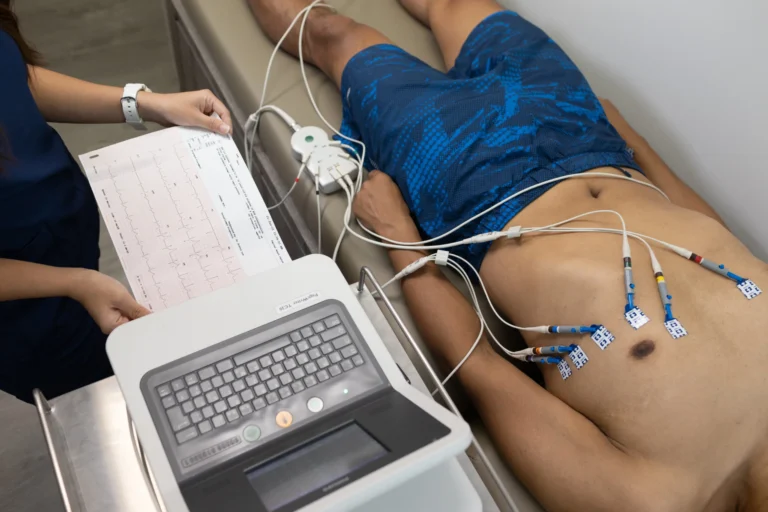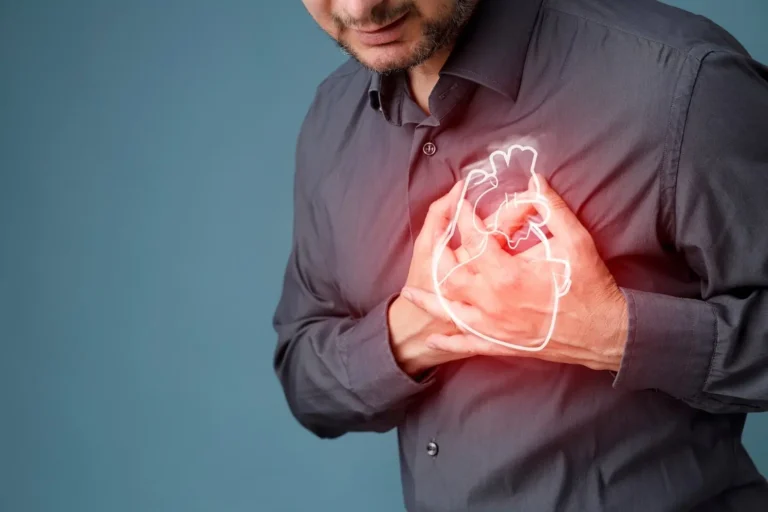
Cardiovascular diseases continue to be one of the leading causes of death globally. Individuals with conditions such as diabetes, high blood pressure, obesity, and a family history of heart disease are particularly vulnerable. In such cases, early diagnosis and continuous tracking of heart health become critical. ECG Monitoring has emerged as one of the most effective tools in modern preventive cardiology, helping detect hidden heart problems before they escalate into life-threatening conditions. At Peshawar Medical Center Dubai, advanced cardiac care services, including ECG Monitoring, are provided to support early detection, accurate diagnosis, and effective prevention of serious heart diseases in high-risk patients.
What is ECG Monitoring?
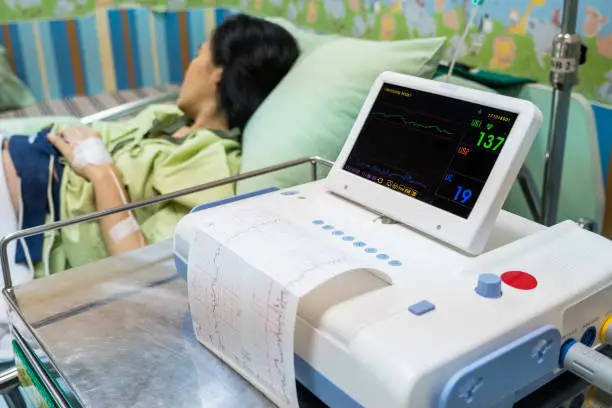
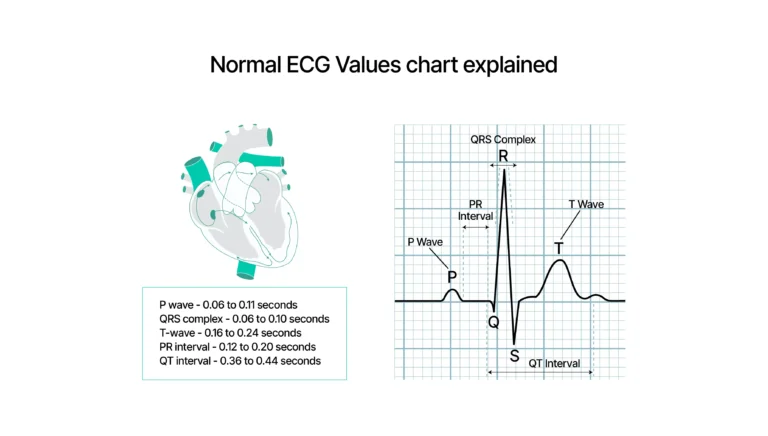
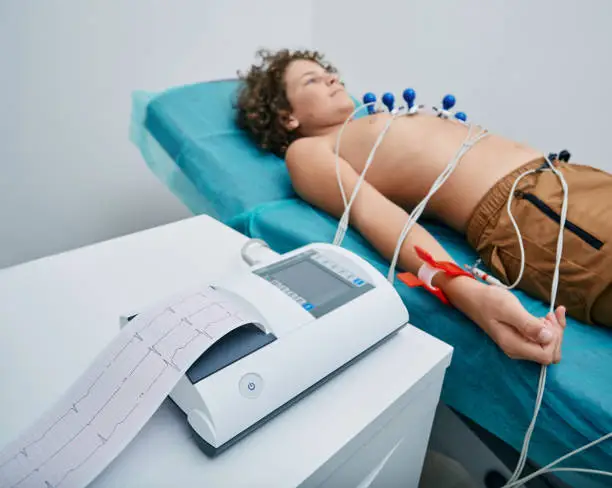
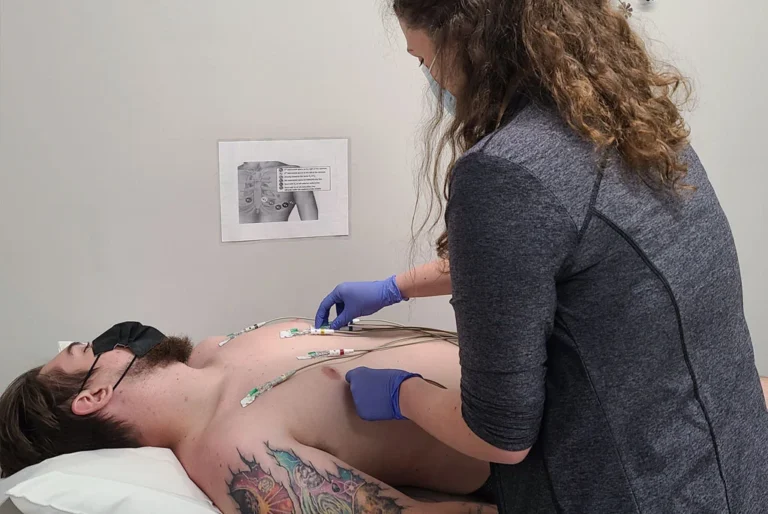
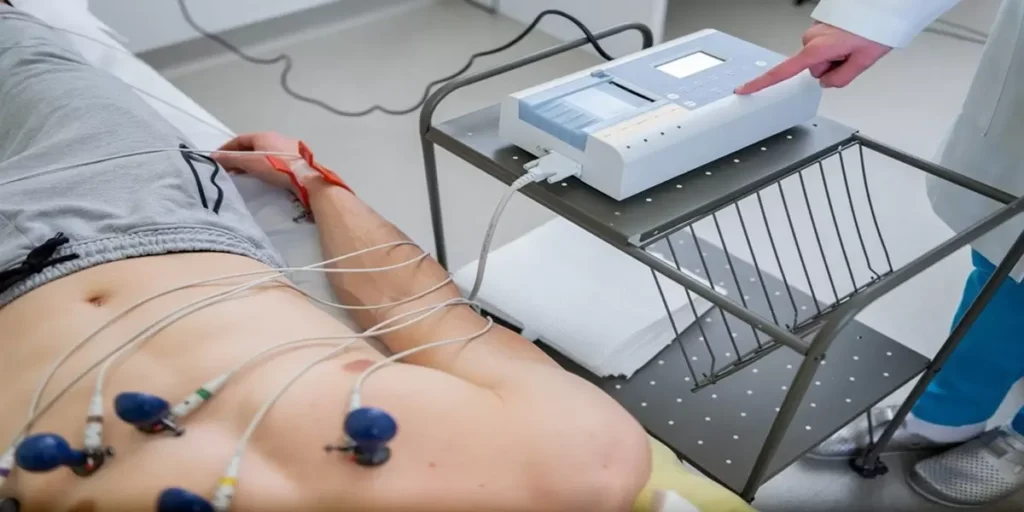
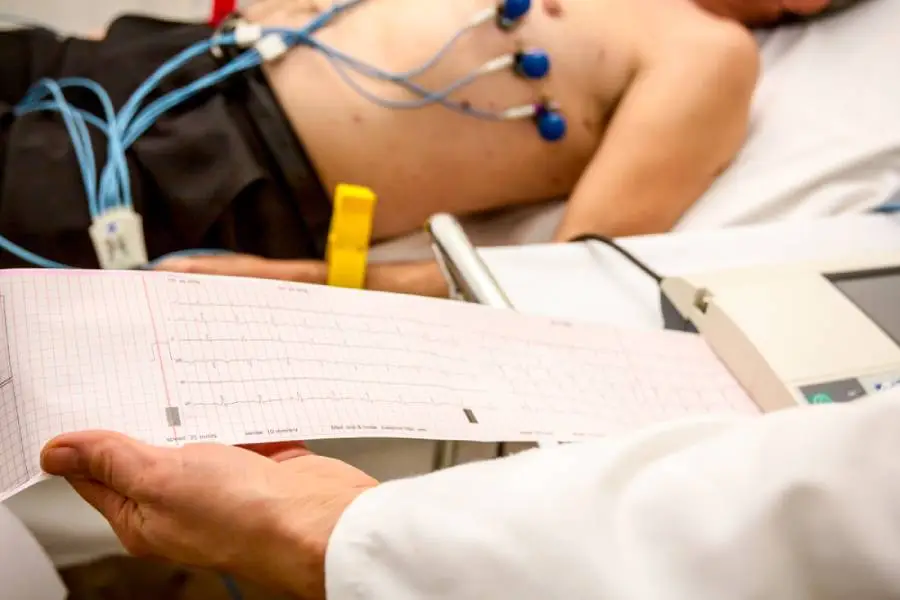
ECG Monitoring (Electrocardiogram Monitoring) is a non-invasive diagnostic method that records the electrical activity of the heart. It provides detailed insights into heart rhythm, heart rate, and overall cardiac performance.
This test can be conducted in two main ways:
- Standard ECG Test: A short recording performed in a clinical setting
- Continuous ECG Monitoring: Long-term tracking using portable devices such as Holter monitors or wearable technology
Continuous monitoring is especially valuable because it captures irregularities that may not appear during a brief test.
Why ECG Monitoring is Important for At-Risk Patients
People with certain health conditions or lifestyle factors are at a higher risk of developing heart complications. These include:
- Individuals with diabetes or hypertension
- People with high cholesterol levels
- Overweight or obese individuals
- Smokers
- Those with a sedentary lifestyle
- Patients with a personal or family history of heart disease
For these individuals, ECG Monitoring plays a crucial role in identifying early warning signs and preventing severe cardiac events.
How ECG Monitoring Helps Prevent Serious Heart Problems
1. Early Detection of Arrhythmias
Irregular heart rhythms, known as arrhythmias, can increase the risk of stroke or sudden cardiac arrest. ECG Monitoring can detect these abnormalities even when they occur occasionally, allowing doctors to intervene early.
2. Identifying Silent Ischemia
Some patients experience reduced blood flow to the heart without noticeable symptoms. This condition, called silent ischemia, can be dangerous if left undetected. Continuous ECG Monitoring helps identify subtle changes in heart activity linked to this issue.
3. Monitoring Heart Function Over Time
Regular ECG Monitoring provides a baseline of heart activity and helps track changes over time. This is especially important for patients with chronic conditions, as it allows healthcare providers to adjust treatments based on real data.
4. Reducing the Risk of Heart Attacks
By detecting early warning signs such as abnormal rhythms or stress on the heart, ECG Monitoring enables timely medical intervention. This significantly reduces the chances of heart attacks and other complications.
Types of ECG Monitoring Devices
Modern healthcare offers several options for effective ECG Monitoring, including:
- Holter Monitors: Record heart activity continuously for 24–48 hours
- Event Monitors: Used over weeks to capture occasional irregularities
- Wearable Devices: Smart technology that tracks heart activity in real-time
These devices provide a comprehensive view of heart health, especially for patients with intermittent symptoms.
Integrating ECG Monitoring into Preventive Healthcare
Preventive healthcare focuses on identifying risks before symptoms become severe. ECG Monitoring is often combined with:
- Blood pressure monitoring
- Blood sugar testing
- Cholesterol screening
- Lifestyle modifications such as diet and exercise
This integrated approach ensures a complete understanding of a patient’s cardiovascular health and helps in creating personalized treatment plans.
When Should You Consider ECG Monitoring?
You should consider ECG-Monitoring if you experience:
- Palpitations or irregular heartbeat
- Chest pain or discomfort
- Shortness of breath
- Dizziness or fainting
- Unexplained fatigue
Even if no symptoms are present, individuals with high-risk factors should undergo routine ECG Monitoring as part of preventive care.
Benefits of ECG Monitoring
- Non-invasive and painless procedure
- Quick and reliable results
- Detects early signs of heart disease
- Supports timely medical decisions
- Helps prevent life-threatening cardiac events
Regular ECG-Monitoring empowers both patients and doctors to take proactive steps toward maintaining heart health.
Conclusion
ECG-Monitoring is a powerful and essential tool in preventing serious cardiac events, particularly for high-risk individuals. By enabling early detection, continuous tracking, and timely intervention, it plays a vital role in modern healthcare.
Incorporating ECG-Monitoring into routine health checkups can significantly reduce the risk of complications and improve overall quality of life. Prioritizing heart health today can help prevent critical conditions in the future.
FAQs About ECG Monitoring
1. How often should ECG-Monitoring be done?
The frequency depends on individual risk factors. High-risk patients may need regular or continuous monitoring as advised by their doctor.
2. Is ECG-Monitoring necessary for healthy individuals?
While not always required, periodic checks can be beneficial, especially for those with a family history of heart disease.
3. Can ECG-Monitoring detect heart problems early?
Yes, it can identify abnormalities and warning signs before they develop into serious conditions.
4. Is ECG-Monitoring safe?
Yes, it is completely safe, non-invasive, and does not involve radiation.
5. What is the difference between ECG and continuous ECG-Monitoring?
A standard ECG records heart activity for a few minutes, while continuous ECG-Monitoring tracks heart function over an extended period.