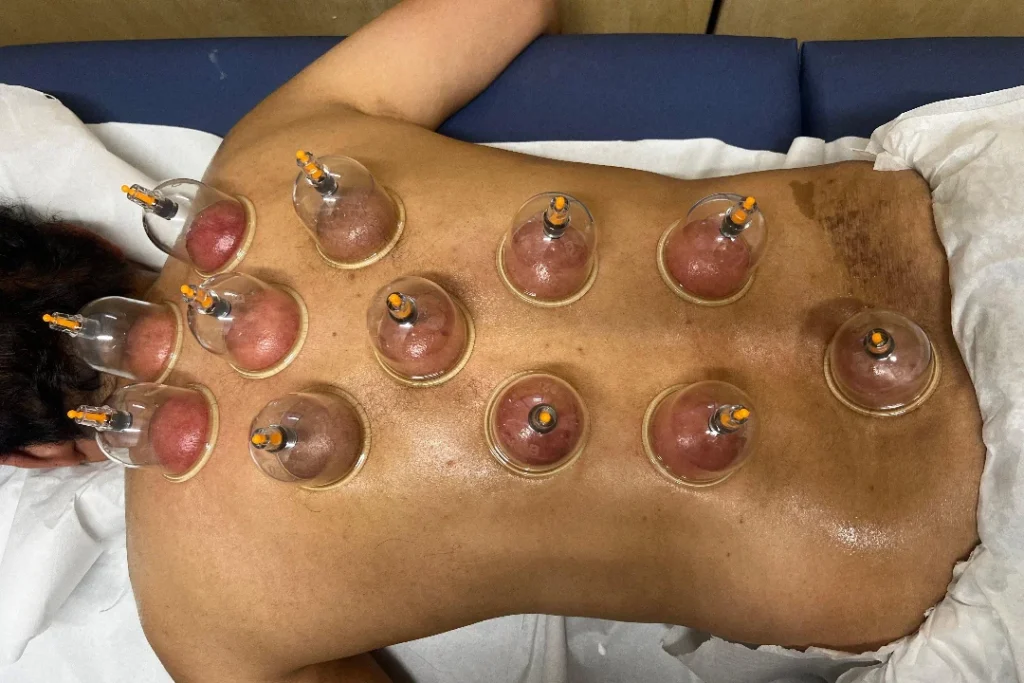
Hijama, commonly known as wet cupping therapy, has been practiced for centuries as part of traditional healing systems. In recent years, it has gained renewed attention as a complementary approach to maintaining overall wellness. Among the many Hijama therapy benefits, individuals are increasingly recognizing its role in supporting the body’s natural balance and recovery processes.
This article explores the potential long-term advantages of regular Hijama sessions and the importance of maintaining a safe and structured treatment approach at Peshawar Medical Center Dubai.
Understanding Periodic Hijama Therapy
Periodic Hijama refers to undergoing cupping sessions at planned intervals rather than on an occasional or one-time basis. The frequency of sessions varies depending on individual health needs, lifestyle, and medical guidance. Some individuals may benefit from sessions every few months, while others may require a more tailored schedule.
A structured approach allows the body to gradually respond to therapy while minimizing unnecessary strain. This consistency is key to experiencing lasting Hijama therapy benefits.
Potential Long-Term Benefits
1. Support for Circulatory Health
Healthy blood circulation is essential for delivering oxygen and nutrients throughout the body. One of the important Hijama therapy benefits is its ability to stimulate localized blood flow, which may contribute to improved circulation over time. Better circulation supports tissue health and overall vitality.
2. Reduction in Muscle Tension and Fatigue
Modern lifestyles often involve prolonged sitting, repetitive movements, or physical stress, leading to chronic muscle tightness. Regular sessions highlight key Hijama therapy benefits, such as relieving built-up tension in muscles and promoting relaxation, which helps reduce fatigue.
3. Improved Recovery and Physical Performance
For physically active individuals, Hijama therapy benefits may include enhanced recovery. By reducing stiffness and supporting muscle repair, it can contribute to improved flexibility and long-term physical performance.
4. Support for Pain Management
Chronic discomfort in areas like the back, neck, and shoulders can affect daily life. Among notable Hijama therapy benefits is its supportive role in pain management when combined with other treatments, helping reduce localized discomfort and improve mobility.
5. Promotion of Relaxation and Stress Reduction
Stress plays a major role in overall health. One of the widely recognized Hijama therapy benefits is its calming effect, which may help reduce stress levels and promote mental well-being over time.
6. Encouragement of Preventive Health Practices
Regular sessions encourage a proactive approach to health. Consistent monitoring and care amplify Hijama therapy benefits, supporting early detection of potential concerns and promoting preventive wellness.
Importance of Professional Supervision
To fully experience Hijama therapy benefits, it is essential that the procedure is performed by trained professionals. Proper care includes:
- Thorough patient assessment before each session
- Use of sterile, single-use equipment
- Strict hygiene and infection control practices
- Personalized treatment plans based on individual needs
This ensures both safety and effectiveness.
Recommended Frequency of Sessions
The ideal schedule varies for each individual. To maximize Hijama therapy benefits, frequency depends on:
- Age and overall health
- Lifestyle and activity level
- Existing health concerns
- Professional recommendations
Maintaining a balanced schedule is crucial to avoid over-treatment.

Post-Therapy Care for Long-Term Results
Sustaining Hijama therapy benefits requires proper aftercare. Patients are typically advised to:
- Stay hydrated
- Avoid intense physical activity immediately after sessions
- Maintain a balanced diet
- Follow practitioner guidelines
Healthy lifestyle habits enhance long-term results.
Conclusion
The growing awareness of Hijama therapy benefits highlights its value in supporting long-term wellness. From improving circulation and reducing muscle tension to promoting relaxation and preventive care, periodic Hijama sessions can be a meaningful addition to a holistic health routine.
However, achieving these benefits depends on professional supervision, proper hygiene, and a personalized treatment approach. When practiced responsibly, Hijama therapy can contribute significantly to overall physical and mental well-being.
FAQs About Hijama Therapy Benefits
1. How often should Hijama be performed?
Frequency varies, but to gain optimal Hijama therapy benefits, sessions are usually scheduled every few months under expert guidance.
2. Is it safe to undergo Hijama regularly?
Yes, regular sessions are generally safe when performed by qualified practitioners following proper protocols.
3. Can Hijama help with stress management?
Yes, one of the key Hijama therapy benefits is its potential to promote relaxation and reduce stress.
4. Are there side effects of repeated sessions?
Mild marks or soreness may occur, but serious issues are rare with proper care.
5. Who should consult a doctor before starting Hijama?
Individuals with medical conditions such as anemia or bleeding disorders should seek medical advice beforehand.