Athletic performance depends on more than strength, speed, and endurance. Behind every successful athlete is a foundation of proper movement mechanics, injury prevention, and efficient recovery. Sports physiotherapy plays a critical role in optimizing these factors through evidence-based techniques that enhance physical function and reduce the risk of setbacks.
From professional competitors to recreational fitness enthusiasts, sports physiotherapy supports the body’s natural ability to move, heal, and perform at its best. By combining science, biomechanics, and rehabilitation strategies, it helps athletes achieve sustainable improvements while protecting long-term health.
Understanding the Role of Sports Physiotherapy in Sports
Sports physiotherapy focuses on restoring and enhancing physical function through targeted exercises, manual therapy, and movement training. In sports settings, it goes beyond treating injuries—it actively improves strength, flexibility, coordination, and overall efficiency.
Athletes often place repetitive stress on muscles and joints, which can lead to imbalances or overuse injuries. Early intervention through sports physiotherapy corrects these issues before they become serious, allowing athletes to train consistently and safely.

The Science of Movement and Biomechanics
Performance largely depends on how efficiently the body moves. Poor biomechanics can waste energy and increase injury risk. Sports physiotherapy uses movement analysis to identify inefficiencies in posture, gait, and movement patterns.
Through corrective exercises and neuromuscular training, athletes learn to:
- Improve joint alignment
- Enhance muscle activation
- Increase coordination
- Reduce unnecessary strain
This scientific approach leads to smoother, more powerful movements that directly translate into better athletic output.
Injury Prevention Through Targeted Training
Preventing injuries is just as important as improving performance. Weak stabilizing muscles, tight soft tissues, and improper technique often lead to strains or sprains.
Preventive sports physiotherapy programs focus on:
- Strengthening vulnerable muscle groups
- Improving flexibility and mobility
- Enhancing balance and proprioception
- Correcting faulty movement patterns
These measures significantly reduce downtime and keep athletes consistently active.
Faster Recovery and Rehabilitation
Recovery is a critical component of athletic success. Without adequate healing time, performance declines and injury risk increases. Sports physiotherapy accelerates recovery by promoting blood circulation, reducing inflammation, and restoring normal function.
Common rehabilitation techniques include:
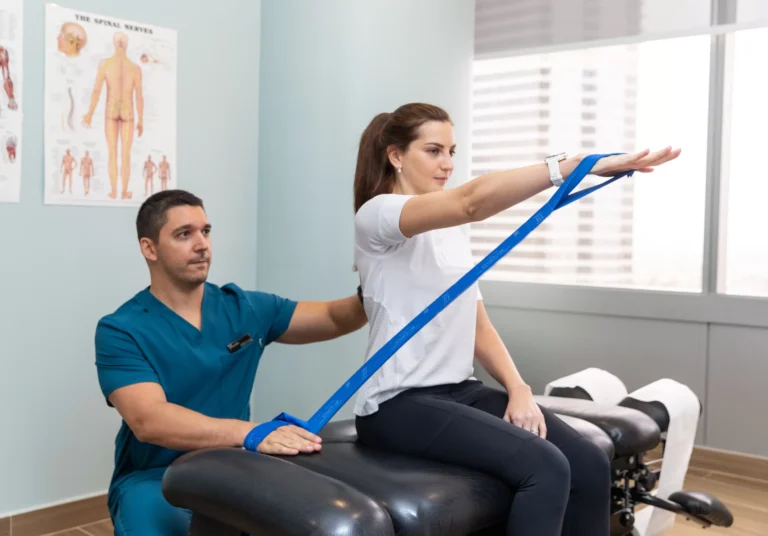
- Manual therapy
- Therapeutic exercises
- Soft tissue mobilization
- Electrotherapy
- Stretching and strengthening routines
By shortening recovery periods, athletes can return to training sooner and maintain peak conditioning.

Strength, Endurance, and Performance Enhancement
Sport physiotherapy is not limited to rehabilitation—it also enhances physical capabilities. Structured conditioning programs improve muscle strength, cardiovascular endurance, and joint stability.
Customized exercise plans help athletes:
- Increase power output
- Build muscular endurance
- Improve agility and speed
- Maintain flexibility
These improvements contribute directly to better results in training and competition.
Mental Benefits of Physical Readiness
Physical health strongly influences mental confidence. When athletes feel strong, balanced, and injury-free, they perform with greater focus and determination. Sport physiotherapy supports this mindset by minimizing pain and maximizing functional ability, allowing athletes to compete without fear of limitations.
Confidence, combined with physical preparedness, often makes the difference between average and exceptional performance.
When Should Athletes Consider Sports Physiotherapy?
Sport physiotherapy is beneficial at every stage of athletic development—not only after an injury. Athletes should consider regular sessions if they experience:
- Recurring muscle soreness
- Reduced mobility
- Frequent strains or sprains
- Post-surgery recovery
- Performance plateaus
Early assessment helps address issues before they escalate and supports continuous improvement.

FAQs About Sports physiotherapy
1. What is sports physiotherapy?
Sports physiotherapy is a specialized branch of physiotherapy that focuses on preventing, diagnosing, and treating injuries related to sports and physical activity. It helps athletes improve performance, enhance movement efficiency, and recover faster from injuries.
2. How does sport physiotherapy improve athletic performance?
Sport physiotherapy enhances performance by analyzing movement patterns, correcting muscle imbalances, increasing flexibility and strength, and optimizing biomechanics. This leads to more efficient and powerful movements during training and competition.
3. Can sports physiotherapy prevent injuries?
Yes. Sports physiotherapy includes preventive programs that target weak muscles, improve joint stability, correct faulty movement patterns, and enhance balance and proprioception, reducing the risk of common sports injuries.
4. When should an athlete see a sports physiotherapist?
Athletes should consider sports physiotherapy regularly, not just after injuries. It’s beneficial for recurring soreness, reduced mobility, frequent strains, post-surgery recovery, or when performance plateaus occur.
5. What techniques are used in sports physiotherapy?
Sports physiotherapy uses a combination of manual therapy, corrective exercises, neuromuscular training, soft tissue mobilization, electrotherapy, and structured conditioning programs to enhance performance and support recovery.
Conclusion
Sports physiotherapy blends science, movement analysis, and targeted rehabilitation to unlock an athlete’s full potential. By preventing injuries, optimizing biomechanics, and accelerating recovery, it provides a safe and effective pathway to improved performance. Whether training competitively or recreationally, incorporating sports physiotherapy into a fitness routine ensures stronger, healthier, and more sustainable athletic progress.