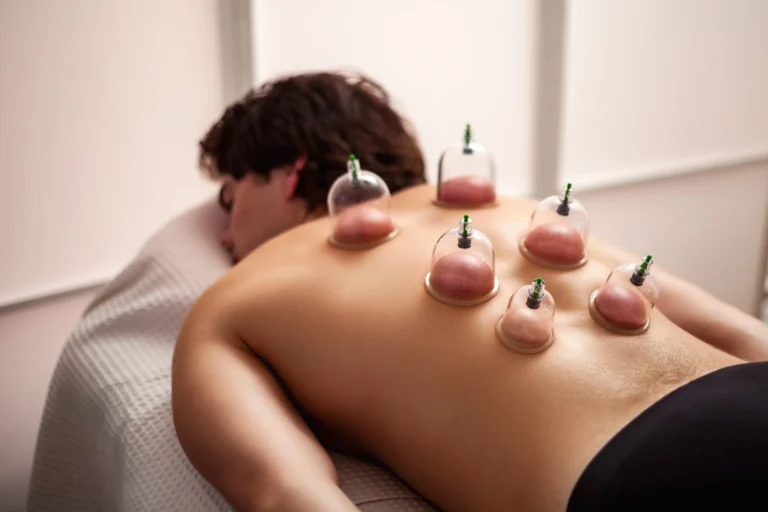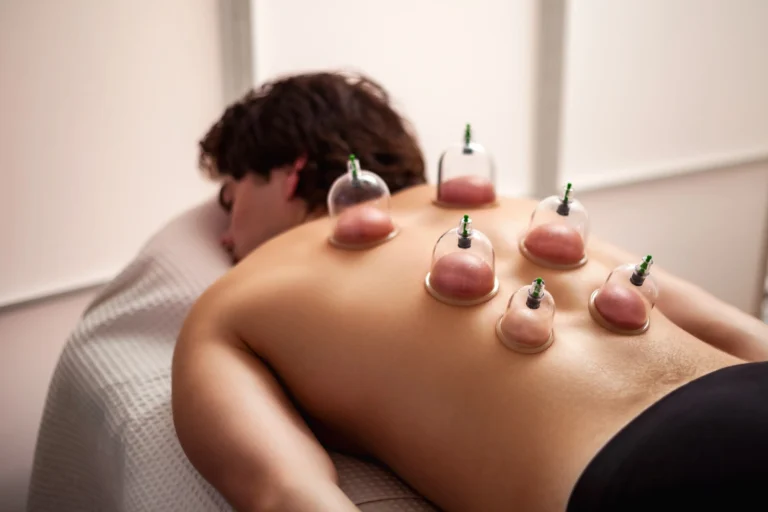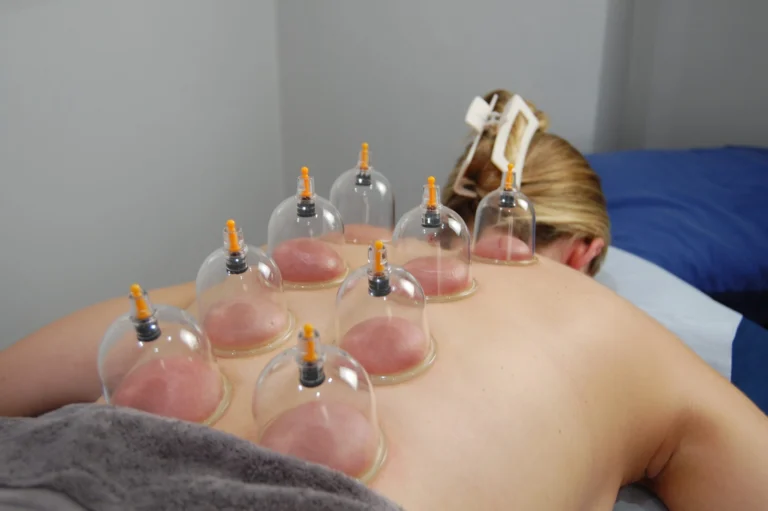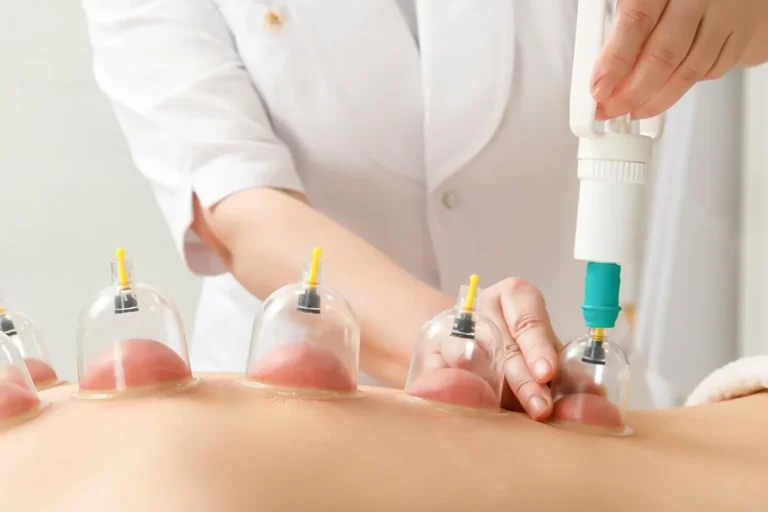
Personalized Hijama therapy is a modern clinical approach to traditional wet cupping that focuses on adapting treatment to each individual’s unique health condition, lifestyle, and medical history. While Hijama has been practiced for centuries in various cultures, today’s healthcare standards emphasize customization to ensure safety, effectiveness, and patient comfort.
By tailoring every aspect of the procedure at Peshawar Medical Center from cupping points to suction intensity—patients can receive care that aligns with their specific health goals.
What Is Personalized Hijama Therapy?
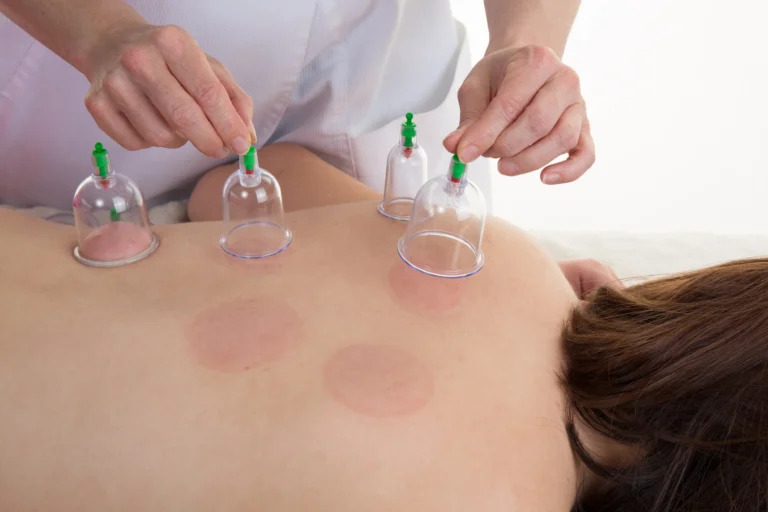
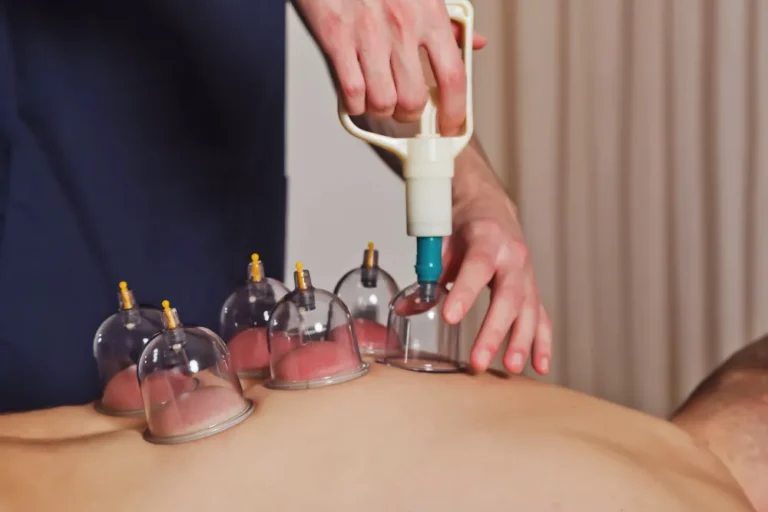
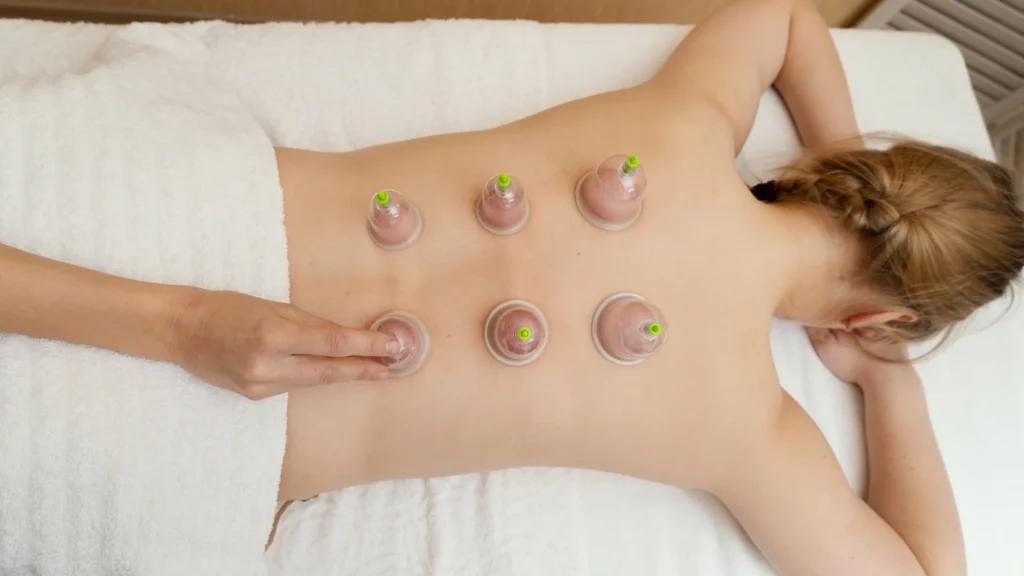
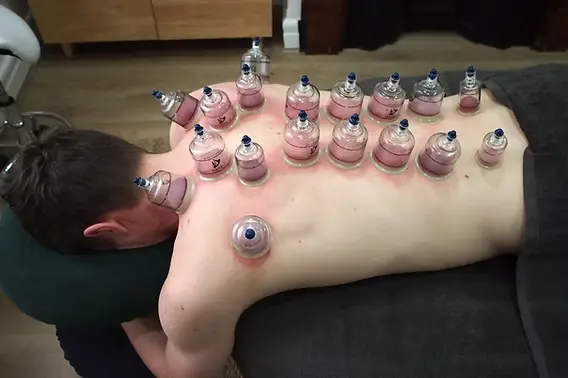
Hijama, also known as wet cupping therapy, involves creating mild suction on specific areas of the body and making small, superficial incisions to draw out stagnant blood. In personalized Hijama therapy, the practitioner carefully evaluates the patient before deciding:
- Which cupping points to use
- The number of cups required
- The intensity of suction
- The frequency of sessions
- Necessary precautions based on medical history
This individualized method ensures that the therapy supports the body without causing unnecessary strain.
Why Personalization Matters in Hijama Treatment
Every person’s body responds differently to therapy. Factors such as age, energy levels, chronic conditions, and stress exposure can significantly influence treatment outcomes.
A personalized approach helps:
- Target the root cause of discomfort
- Improve circulation effectively
- Reduce muscular tension
- Minimize potential side effects
- Support faster recovery
Instead of applying a one-size-fits-all method, practitioners design a treatment plan that suits the individual’s needs.
Key Factors Considered Before Treatment
1. Medical History and Current Health
Patients with conditions such as anemia, diabetes, hypertension, or bleeding disorders require careful evaluation. A thorough consultation helps determine whether Hijama is suitable and how it should be modified.
2. Specific Health Concerns
Personalized Hijama therapy can address various issues, including:
- Muscle pain and stiffness
- Chronic fatigue
- Stress and anxiety
- Headaches and migraines
- Digestive discomfort
- Joint pain
Each condition may require different cupping points and session intervals.
3. Age and Physical Condition
Elderly individuals or those with low vitality may benefit from gentler suction and fewer cups. Athletes or physically active patients may require focused therapy to enhance muscle recovery and reduce inflammation.
4. Lifestyle and Stress Levels
Patients with demanding work schedules or high stress often need sessions designed to calm the nervous system, while others may require detoxification-focused treatments.
Benefits of Personalized Hijama Therapy
When tailored correctly, personalized Hijama therapy can offer several potential benefits:
- Improved blood circulation
- Relief from muscular tension
- Enhanced relaxation
- Support for natural detoxification
- Better overall well-being
Customization enhances both comfort and therapeutic results.
Treatment Frequency and Follow-Up
The number of sessions depends on individual health goals. Some people choose occasional sessions for general wellness, while others follow a structured plan for chronic conditions.
Regular follow-ups allow practitioners to:
- Monitor progress
- Adjust suction intensity
- Modify cupping points
- Ensure continued safety
This ongoing evaluation ensures that the therapy remains aligned with the patient’s evolving health needs.
Safety and Professional Standards
Personalized Hijama therapy should always be performed in a licensed medical setting. Professional clinics follow strict hygiene protocols, including:
- Use of sterile, disposable equipment
- Proper skin preparation
- Careful post-treatment instructions
- Infection control measures
Patients are encouraged to consult healthcare providers before starting any complementary therapy, especially if they have underlying medical conditions.
Integrating Personalized Hijama Therapy with Modern Healthcare
While personalized Hijama therapy may offer supportive benefits, it should not replace conventional medical treatment. Instead, it works best as part of a comprehensive health plan that includes:
- Medical consultation
- Balanced nutrition
- Regular exercise
- Stress management techniques
When integrated responsibly, Hijama can complement the body’s natural healing processes.
Frequently Asked Questions (FAQs)
1. What makes personalized Hijama therapy different from traditional Hijama?
Personalized Hijama therapy adapts the treatment plan to the individual’s health condition, age, and lifestyle rather than using standard cupping points for everyone.
2. Is personalized Hijama therapy safe?
When performed by trained professionals in a licensed clinic, it is generally safe and designed to minimize risks.
3. How often should sessions be scheduled?
Frequency varies depending on the patient’s condition. Some benefit from monthly sessions, while others may need occasional treatments.
4. Can elderly patients receive personalized Hijama therapy?
Yes, but the intensity and number of cups are adjusted to suit their physical condition.
Conclusion
Personalized Hijama therapy represents a balanced fusion of traditional healing and modern clinical standards. By customizing treatment to each individual’s needs, practitioners can enhance safety, improve results, and support long-term wellness. When performed responsibly and integrated with modern healthcare, personalized Hijama therapy can be a valuable complementary approach to maintaining overall health.