Children go through rapid stages of physical development that shape their strength, coordination, posture, and movement patterns. During these important years, early detection and management of musculoskeletal issues can make a significant difference in a child’s overall health. Pediatric physiotherapy plays an essential role in supporting healthy growth, improving posture, and helping children reach important developmental milestones safely and effectively.
Through gentle, child-friendly techniques and structured exercises, Peshawar Medical Center’s pediatric physiotherapy encourages proper movement patterns while addressing physical challenges that may affect a child’s development.
Understanding Pediatric Physiotherapy
Pediatric physiotherapy focuses on assessing and treating movement disorders in infants, children, and adolescents. Unlike adult treatment programs, this specialized therapy uses playful and engaging activities that motivate children to participate while promoting healthy physical development.
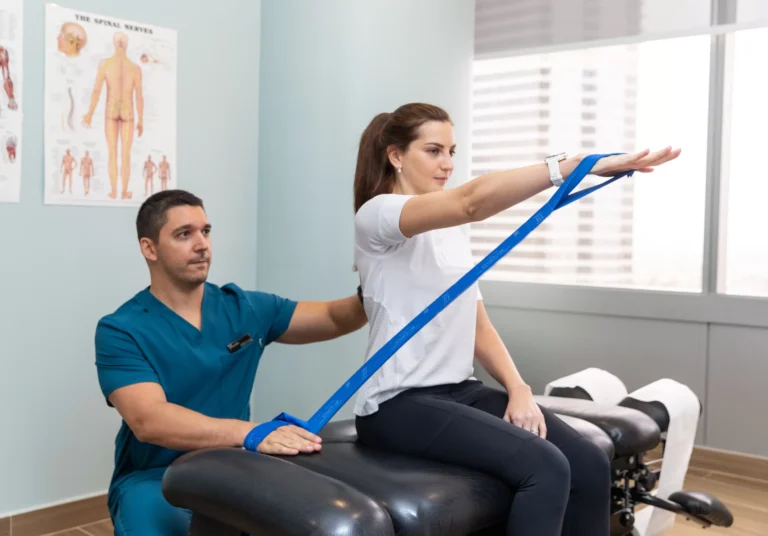
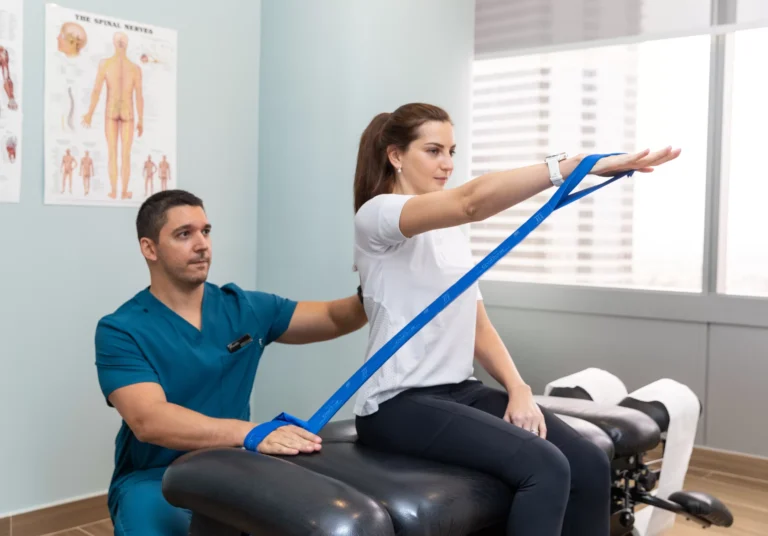
Physiotherapists carefully evaluate each child’s mobility, posture, muscle tone, and coordination before designing a personalized treatment plan. The goal of pediatric physiotherapy is to support normal development, restore movement, and prevent long-term complications.
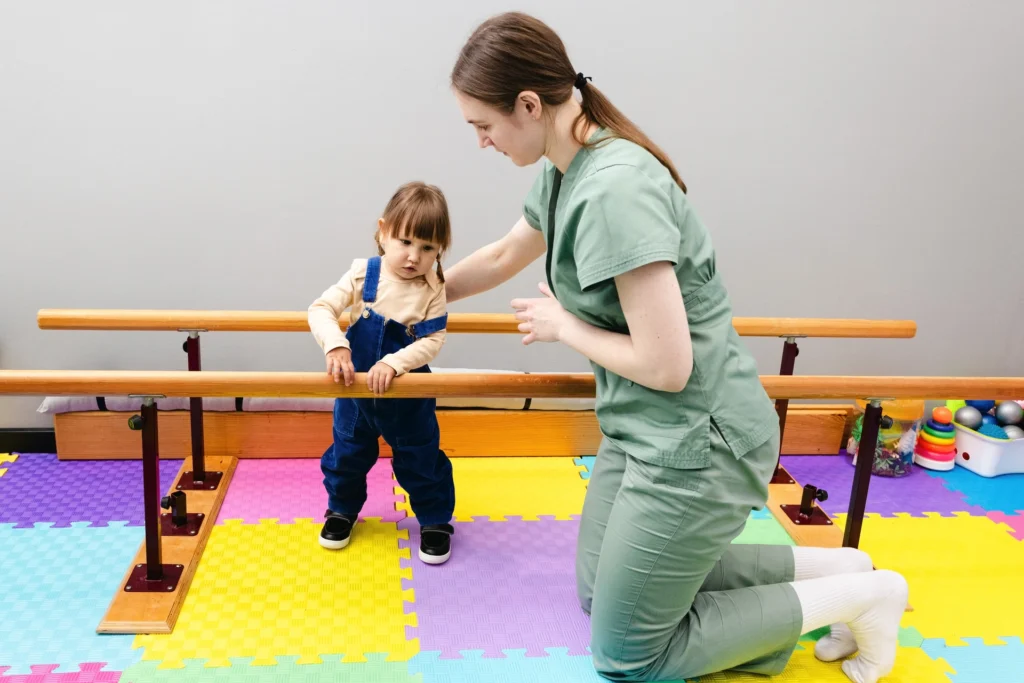
Supporting Healthy Physical Development
As children grow, their bodies adapt quickly to new physical demands. Crawling, walking, running, and participating in sports require strong muscles, balanced coordination, and proper posture. When any of these elements are affected, a child may experience delays in motor development.
Pediatric physiotherapy includes therapeutic exercises and guided movement training that help improve:
- Muscle strength and flexibility
- Balance and coordination
- Joint stability
- Body awareness
- Functional movement skills
These improvements allow children to move confidently and participate in everyday activities.
Addressing Postural Issues Early
Posture plays an essential role in a child’s long-term musculoskeletal health. Poor posture can develop due to prolonged screen time, heavy school bags, lack of physical activity, or underlying muscular imbalances.
Pediatric physiotherapy helps identify and correct postural problems early, including:
- Rounded shoulders
- Forward head posture
- Spinal alignment issues
- Uneven weight distribution
Through targeted exercises and posture education, children learn healthy movement habits that protect their spine and joints as they grow.
Managing Developmental and Neurological Conditions
Some children may require pediatric physiotherapy due to developmental delays or neurological conditions. In these cases, therapy focuses on improving mobility, muscle control, and independence in daily activities.
Conditions that may benefit from pediatric physiotherapy include:
- Developmental coordination difficulties
- Muscle weakness
- Neuromuscular disorders
- Recovery after injuries or surgeries
Specialized physiotherapy techniques help children gradually develop the physical skills needed for everyday tasks such as walking, climbing stairs, and playing with peers.
Preventing Injuries in Active Children
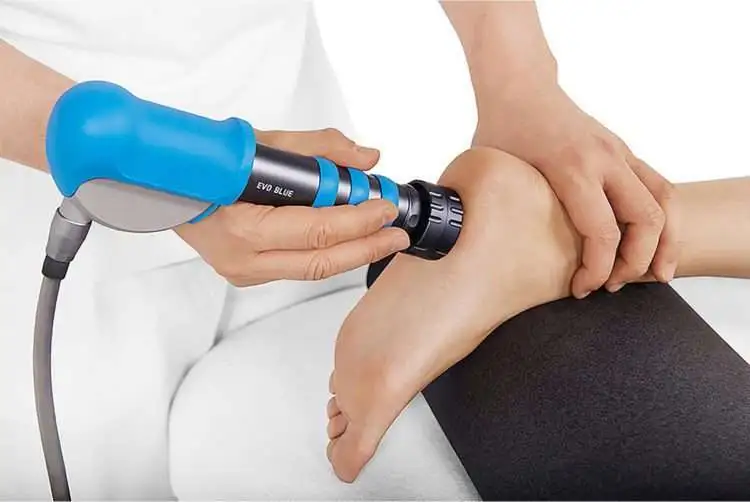
As children become more involved in sports and recreational activities, the risk of minor injuries increases. Pediatric physiotherapy helps strengthen muscles and improve flexibility, reducing the likelihood of strains, sprains, and overuse injuries.
Physiotherapists also teach proper warm-up routines, stretching techniques, and safe movement strategies that support long-term physical health.
Encouraging Confidence and Participation
Physical limitations can sometimes affect a child’s confidence and willingness to participate in activities. Pediatric physiotherapy sessions are designed to be engaging and supportive, helping children build both physical ability and self-esteem.
When children gain better control of their movements and experience less discomfort, they are more likely to enjoy physical play, sports, and social interactions.
The Importance of Parental Involvement
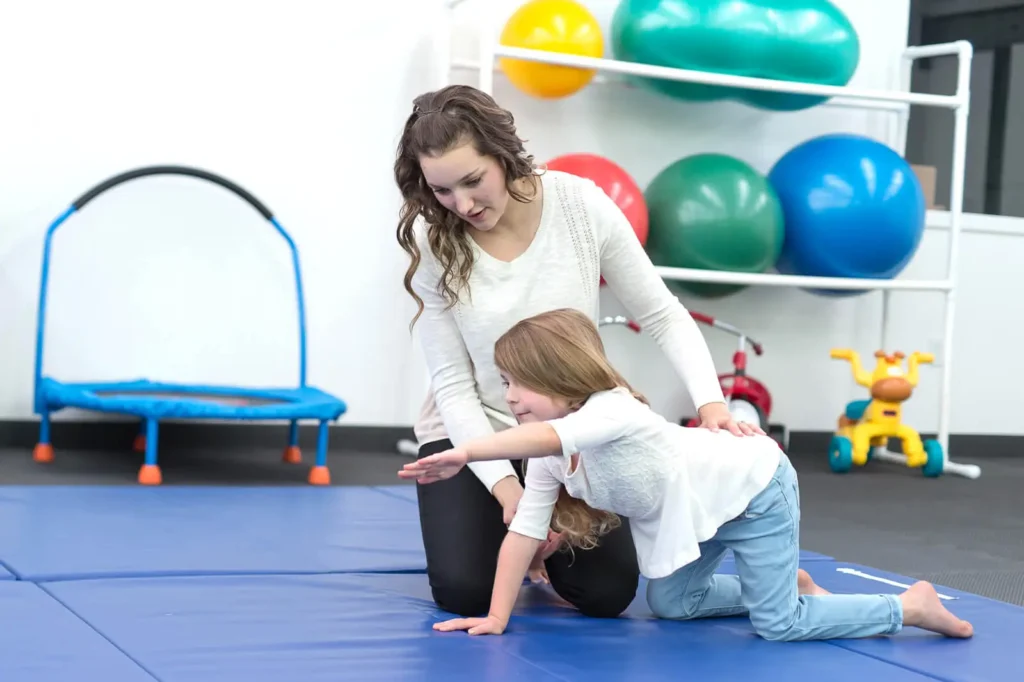
Parents play a crucial role in supporting their child’s progress during pediatric physiotherapy. Therapists often guide parents on simple exercises and posture habits that can be practiced at home.
Consistency between therapy sessions and home activities helps reinforce positive movement patterns and ensures better long-term results for the child.
Conclusion
Pediatric physiotherapy plays a vital role in promoting healthy growth, proper posture, and strong physical development in children. By addressing movement challenges early and encouraging active participation, this specialized therapy helps children develop the strength, coordination, and confidence needed for everyday life.
With the right guidance, early intervention, and family support, pediatric physiotherapy enables young patients to overcome physical challenges and enjoy a healthier, more active future.
FAQs About Pediatric Physiotherapy
1. What is pediatric physiotherapy?
Pediatric-physiotherapy is a specialized form of physical therapy designed for infants, children, and adolescents. It focuses on improving movement, posture, muscle strength, coordination, and overall physical development.
2. When should a child see a pediatric physiotherapist?
A child may benefit from pediatric-physiotherapy if they show delays in motor development, poor posture, muscle weakness, difficulty with coordination, or after an injury or surgery. Early intervention often leads to better long-term results.
3. What conditions can pediatric physiotherapy help with?
Pediatric-physiotherapy can help with developmental coordination difficulties, neuromuscular disorders, muscle weakness, postural issues, and recovery from injuries or surgeries. It is also useful for preventing injuries in active children.
4. How does pediatric physiotherapy improve posture?
Through targeted exercises, movement training, and posture education, pediatric-physiotherapy helps children develop proper alignment, reduce rounded shoulders or forward head posture, and promote spinal health during growth.
5. Can parents participate in pediatric physiotherapy sessions?
Yes, parents play a crucial role in supporting progress. Therapists often guide parents on simple exercises and posture habits to practice at home, ensuring consistency and reinforcing positive movement patterns between sessions.