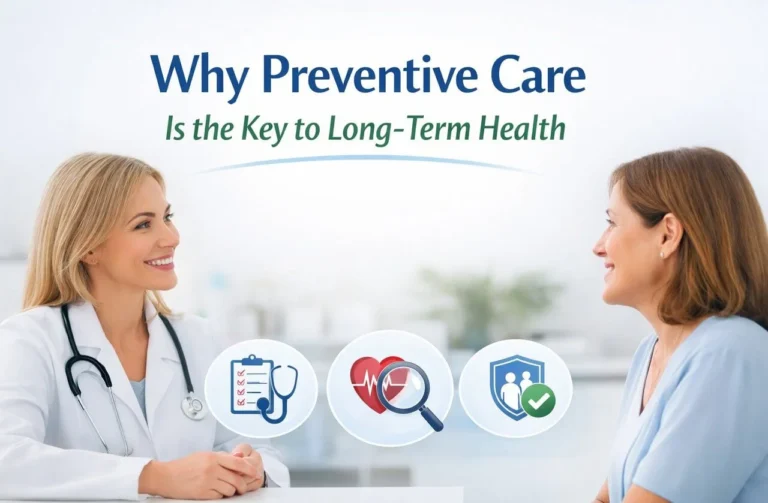
Lifestyle counseling for health in modern healthcare is increasingly shifting toward prevention rather than treatment alone. Preventive care focuses on maintaining wellness, identifying health risks early, and reducing the likelihood of serious illnesses. This approach not only improves quality of life but also reduces the need for complex medical interventions in the future.
By encouraging regular checkups, healthy lifestyle choices, and early diagnosis, preventive care plays a vital role in supporting long-term well-being for individuals and communities at Peshawar Medical Center Dubai.
Understanding Preventive Care
Lifestyle counseling for health is a key part of preventive care, which refers to medical services and health practices aimed at avoiding disease before it occurs or detecting it at an early stage. It emphasizes proactive health management rather than reactive treatment.

Core Elements of Preventive Care
- Routine health checkups and screenings
- Vaccinations and immunizations
- Lifestyle counseling for health
- Early detection of chronic diseases
- Mental health awareness and support
Why Preventive Care Is Important
Preventive healthcare is essential because many serious conditions develop gradually without obvious symptoms. Early action can significantly improve outcomes.
Early Identification of Health Risks
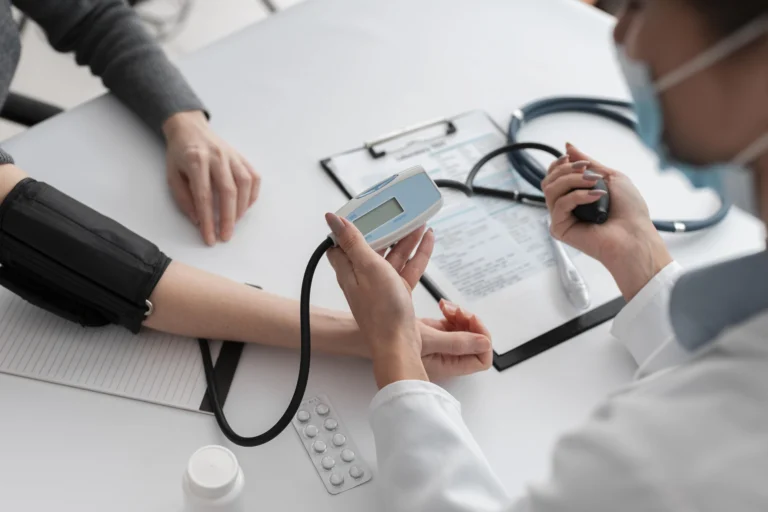
Regular screenings help detect conditions like diabetes, high blood pressure, and heart disease before they become severe. Early diagnosis allows for timely treatment and better control.
Reduced Need for Emergency Treatment
When health issues are managed early, the risk of sudden medical emergencies decreases. This leads to fewer hospital visits and more stable long-term health.
Lifestyle and Wellness Support
Preventive care is not limited to medical tests; it also strongly emphasizes lifestyle counseling for health, which plays a crucial role in helping individuals build sustainable habits. This includes personalized guidance on nutrition, physical activity, sleep patterns, and stress management.
Healthy Eating and Physical Activity
Balanced nutrition and regular exercise help maintain a healthy weight, improve energy levels, and reduce the risk of chronic diseases.
Stress and Mental Health Management
Managing stress through relaxation techniques, counseling, and mindfulness practices is an important part of maintaining emotional balance and overall health.
Long-Term Benefits of Preventive Care
The advantages of preventive healthcare extend beyond physical health and impact financial and emotional well-being as well.
Improved Quality of Life
People who engage in regular health monitoring and follow lifestyle counseling for health tend to enjoy better energy levels, fewer illnesses, and greater overall well-being.
Lower Healthcare Costs
Preventing diseases or detecting them early reduces the need for expensive treatments, surgeries, and long hospital stays.
Stronger Health Awareness
Preventive care encourages individuals to take responsibility for their health and make informed decisions about their lifestyle, often supported by lifestyle counseling for health programs.
The Future of Preventive Healthcare
Healthcare systems around the world are increasingly focusing on prevention as a sustainable approach to improving population health. Advances in technology, digital health tools, and personalized medicine are making preventive care more accessible and effective than ever before.
Lifestyle counseling for health is expected to play an even bigger role in the future, as more healthcare providers focus on behavior change and long-term wellness strategies.

Frequently Asked Questions (FAQs)
1. What is the main goal of preventive care?
The main goal is to prevent diseases or detect them early to improve treatment outcomes and overall health.
2. Who should follow preventive healthcare practices?
Preventive care is important for people of all ages, including children, adults, and seniors.
3. How often should health checkups be done?
Most individuals should have a routine health checkup at least once a year, depending on their medical history.
4. Can preventive care reduce medical expenses?
Yes, early detection and disease prevention significantly reduce the need for costly treatments and hospital care.
5. Does preventive care include mental health?
Yes, mental health support is an important part of preventive care and overall wellness.
Conclusion
Preventive care is a powerful approach to achieving long-term health and well-being. By focusing on early detection, healthy habits, and regular medical monitoring, individuals can reduce the risk of serious illnesses and enjoy a higher quality of life. A key part of this process is lifestyle counseling for health, which helps people adopt and maintain healthy behaviors. This proactive approach ensures better health outcomes while also making healthcare more efficient and sustainable for the future.