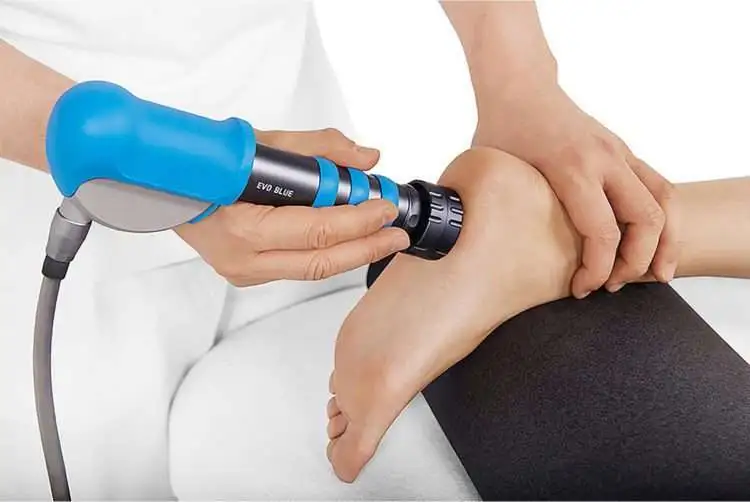
Knee pain is one of the most common musculoskeletal problems affecting people of all ages. Whether you are an athlete, an office worker, or a senior citizen, experiencing pain in knee can interfere with your daily routine and reduce your quality of life. From mild discomfort to severe knee joint pain, the condition can make walking, climbing stairs, exercising, or even standing for long periods challenging.
If you are looking for professional Knee Pain Treatment Dubai, early diagnosis and personalized care can make a significant difference. At Peshawar Medical Center, our experienced medical team provides comprehensive assessment, advanced diagnostic services, and customized treatment plans to help patients recover safely and regain mobility.
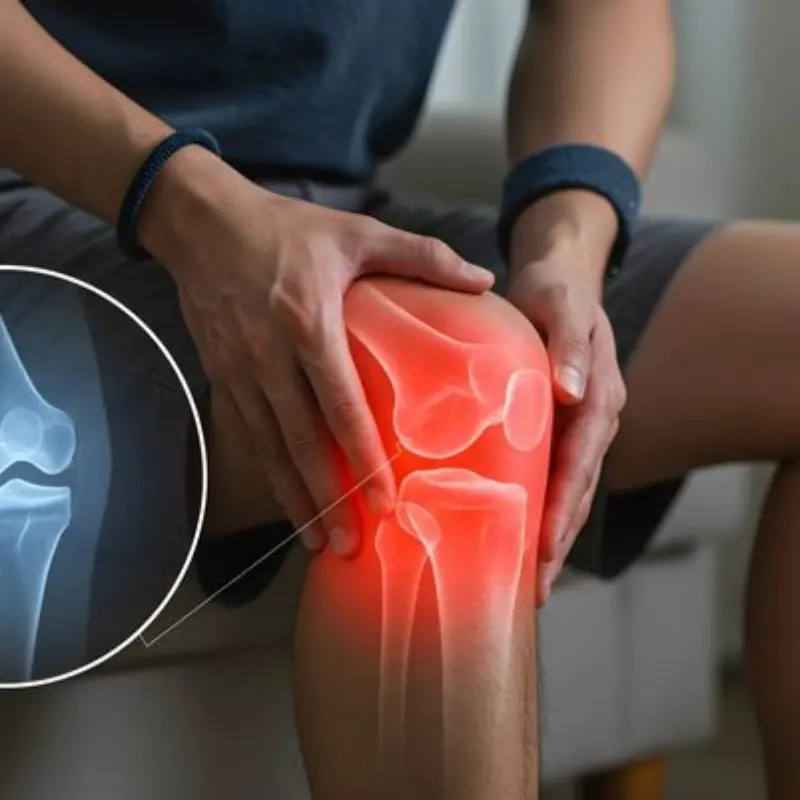
Understanding Knee Pain Treatment Dubai
The knee is the largest and one of the most complex joints in the human body. It connects the thigh bone (femur) to the shin bone (tibia) and is supported by ligaments, tendons, cartilage, and muscles. Because it bears much of your body weight and is involved in almost every movement, the knee is particularly vulnerable to injury and wear over time.
Knee pain may develop suddenly after an accident or gradually due to repetitive strain, aging, or underlying medical conditions. Some people experience occasional discomfort, while others suffer from persistent knee stiffness, swelling, and reduced flexibility.
Without proper treatment, knee pain can worsen over time, affecting your mobility and overall health.
Why You Should Never Ignore Knee Pain
Many people assume knee pain will disappear on its own. However, persistent pain can indicate a more serious problem involving the cartilage, ligaments, tendons, or bones.
Ignoring symptoms may lead to:
- Chronic joint damage
- Reduced mobility
- Difficulty performing daily activities
- Muscle weakness
- Increased risk of falls
- Progressive arthritis
- Permanent joint degeneration
Seeking expert Joint Pain Treatment early can help prevent complications and speed up recovery.
Common Knee Pain Causes
Understanding knee pain causes is the first step toward choosing the right treatment.
Some of the most common causes include:
Osteoarthritis
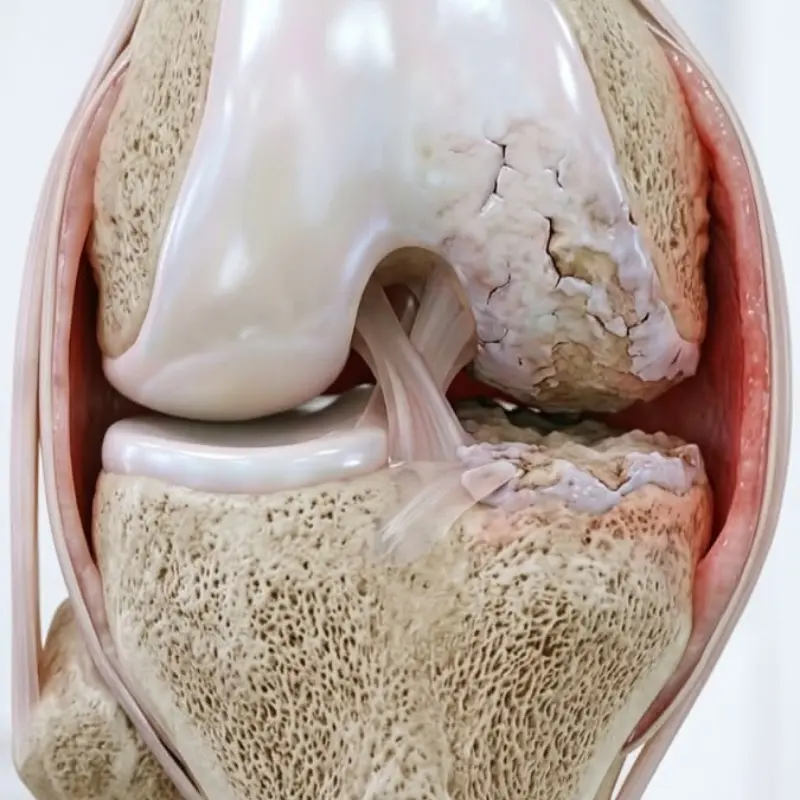
One of the leading causes of knee joint pain, Osteoarthritis knee develops when the protective cartilage gradually wears away. It is more common in older adults but may also affect younger individuals due to obesity or previous injuries.
Symptoms include:
- Knee stiffness in the morning
- Pain while walking
- Swollen knee
- Reduced flexibility
- Grinding sensation inside the joint
Sports Injuries
Athletes frequently experience Sports knee injury due to sudden twisting movements, jumping, or direct impact during physical activities.
Common sports injuries include:
- Ligament tears
- Tendon injuries
- Cartilage damage
- Muscle strains
- Dislocations
Early diagnosis and treatment can significantly reduce recovery time and prevent long-term complications.
ACL Injury
An ACL injury occurs when the anterior cruciate ligament tears or stretches excessively. This injury commonly affects football players, basketball players, runners, and people participating in high-impact sports.
Typical symptoms include:
- Sudden popping sound
- Immediate pain
- Knee instability
- Swelling within hours
- Difficulty bearing weight
Meniscus Tear
The meniscus is a cushion-like cartilage that absorbs shock within the knee joint. A Meniscus tear often occurs during sudden twisting movements or heavy lifting.
Patients may experience:
- Locking of the knee
- Swollen knee
- Sharp pain
- Difficulty bending the knee
- Clicking sensation while moving
Left untreated, a torn meniscus can increase the risk of arthritis and long-term joint damage.
Runner’s Knee and Overuse Injuries
Another common cause of knee pain is Runner’s knee, medically known as patellofemoral pain syndrome. Despite its name, this condition doesn’t affect only runners. It can also develop in cyclists, hikers, gym enthusiasts, or anyone who repeatedly bends the knee during physical activities.
Runner’s knee occurs when the kneecap (patella) does not move properly over the joint, leading to irritation and inflammation. Repetitive stress on the knee can gradually damage the surrounding tissues, causing discomfort during everyday activities.
Common symptoms include:
- Pain around or behind the kneecap
- Knee pain while walking or climbing stairs
- Pain after sitting for a long time
- Clicking or grinding sensation
- Mild swelling after exercise
- Difficulty squatting or kneeling
Ignoring these symptoms may lead to worsening pain and reduced mobility. Early assessment and proper rehabilitation are essential for long-term recovery.
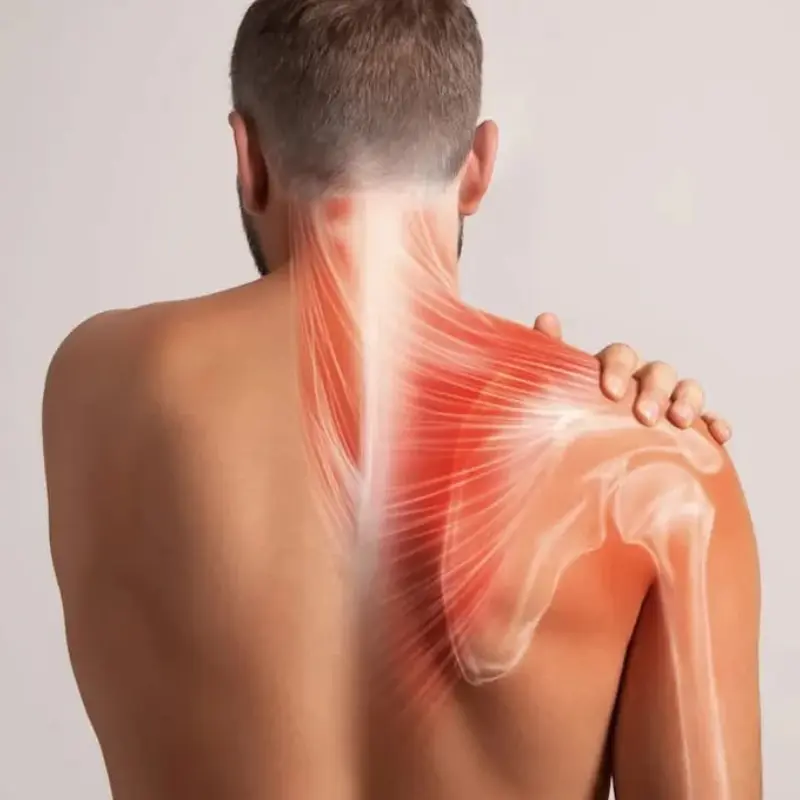
Arthritis Knee Pain Treatment
One of the leading causes of chronic knee joint pain is arthritis. The most common form is osteoarthritis, which develops as the protective cartilage gradually wears away. Rheumatoid arthritis and post-traumatic arthritis can also affect the knee, causing inflammation and stiffness.
Patients suffering from arthritis often experience:
- Morning knee stiffness
- Persistent aching pain
- Swollen knee
- Difficulty walking
- Reduced flexibility
- Joint tenderness
- Pain after physical activity
Fortunately, modern arthritis knee pain treatment focuses on reducing pain, improving joint function, and slowing disease progression. Depending on the severity of the condition, treatment may include medication, lifestyle changes, physiotherapy, weight management, and in advanced cases, surgical consultation.
Symptoms That Should Not Be Ignored
Many people delay treatment, hoping the discomfort will resolve on its own. However, persistent symptoms may indicate a more serious condition requiring professional evaluation.
Seek medical attention if you experience:
- Severe pain in knee lasting more than a few days
- Inability to bear weight
- Knee deformity after an injury
- Locking or catching sensation
- Frequent episodes of the knee giving way
- Persistent swollen knee
- Fever with joint pain
- Redness and warmth around the knee
- Difficulty fully bending or straightening the knee
Prompt diagnosis helps prevent further joint damage and improves recovery outcomes.
Knee Pain While Walking
Experiencing knee pain while walking is one of the most common reasons people visit a healthcare provider. This symptom can result from several underlying conditions, including cartilage wear, ligament injuries, tendon inflammation, arthritis, or muscle imbalance.
Pain may occur:
- When walking long distances
- While climbing stairs
- After standing for prolonged periods
- During exercise
- When getting up from a chair
If walking becomes increasingly painful or your mobility starts to decline, it’s important to seek professional assessment rather than relying solely on painkillers.
How Knee Pain Treatment in Dubai diagnose
Accurate diagnosis is the foundation of effective Knee Pain Treatment Dubai. At Peshawar Medical Center, healthcare professionals begin with a detailed medical history and physical examination to understand the cause of your symptoms.
The diagnostic process may include:
Medical History
Your doctor will ask questions such as:
- When did the pain begin?
- Was there an injury?
- Is the pain constant or occasional?
- Does the pain worsen with activity?
- Have you experienced previous knee injuries?
- Do you have arthritis or other medical conditions?
Providing accurate information helps identify the underlying cause more quickly.
Physical Examination
During the examination, the doctor evaluates:
- Knee alignment
- Joint stability
- Range of motion
- Swelling and tenderness
- Muscle strength
- Walking pattern (gait)
- Ligament function
Special clinical tests may also be performed to assess for an ACL injury, Meniscus tear, or other ligament damage.
Imaging Tests
If needed, imaging studies may be recommended to confirm the diagnosis.
These may include:
- X-rays to detect fractures, arthritis, or bone abnormalities
- MRI scans to evaluate ligaments, cartilage, tendons, and menisci
- Ultrasound for soft tissue assessment
- CT scans in selected complex cases
These advanced diagnostic tools help determine the most appropriate treatment plan for each patient.
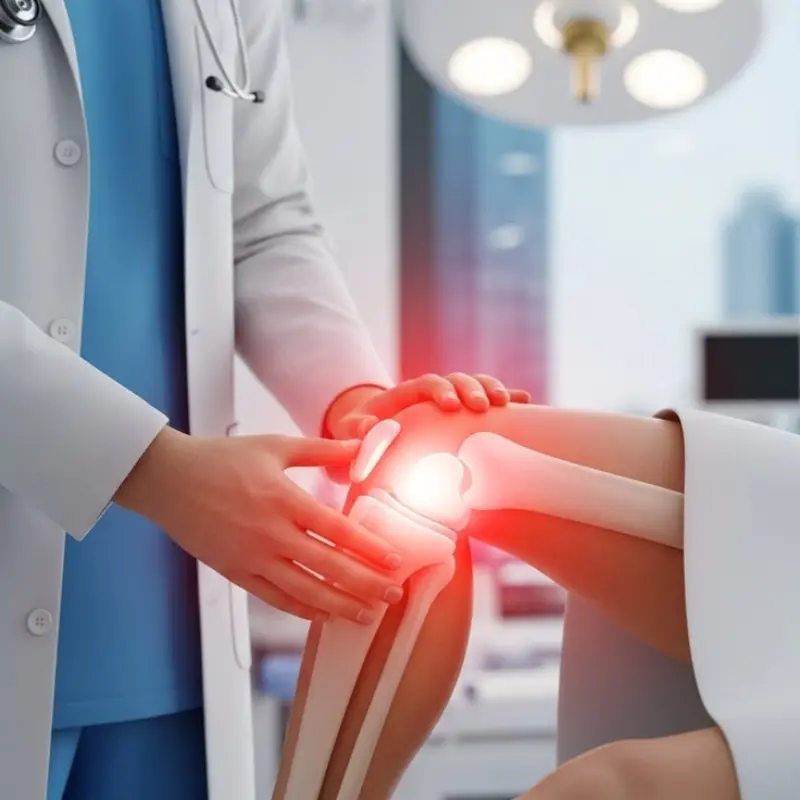
When Should You See an Orthopedic Doctor Dubai?
Many patients wonder when it’s time to consult an Orthopedic doctor Dubai instead of managing symptoms at home.
You should seek specialist care if:
- Pain lasts longer than one week
- Home treatments provide little or no relief
- Walking becomes difficult
- Your knee repeatedly gives way
- You notice significant swelling
- There is a suspected sports injury
- You hear a popping sound during injury
- Your knee locks or cannot fully straighten
Early consultation can prevent complications and improve recovery, especially in cases involving ligament injuries, cartilage damage, or progressive arthritis.
Knee Pain Treatment Dubai: Effective Treatment Options
Finding the right Knee Pain Treatment Dubai depends on identifying the underlying cause of your symptoms. Whether your pain is due to arthritis, a Sports knee injury, an ACL injury, a Meniscus tear, or overuse, early diagnosis and personalized treatment can help relieve discomfort, restore mobility, and prevent long-term complications.
At Peshawar Medical Center, we focus on evidence-based care tailored to each patient’s condition, lifestyle, and recovery goals.
Personalized Treatment Plans
Every patient experiences knee pain differently. Factors such as age, activity level, medical history, and the severity of the condition all influence the treatment approach.
Your healthcare provider may recommend one or a combination of treatments to achieve the best possible outcome.
Treatment goals include:
- Relieving pain
- Reducing inflammation
- Improving joint movement
- Restoring muscle strength
- Preventing future injuries
- Helping patients return to normal daily activities
Conservative (Non-Surgical) Knee Pain Treatment
Many patients recover successfully without surgery, especially when treatment begins early.
Rest and Activity Modification
Reducing activities that worsen your symptoms allows the injured tissues to heal. However, complete inactivity is usually not recommended, as gentle movement helps maintain joint flexibility.
Your doctor may advise:
- Avoiding high-impact sports
- Limiting stair climbing
- Reducing prolonged standing
- Using supportive footwear
- Following a gradual return-to-activity plan
Medications
Depending on your condition, medications may help reduce pain and inflammation.
These may include:
- Pain relievers
- Anti-inflammatory medications
- Muscle relaxants (when appropriate)
- Topical pain-relief creams or gels
Always take medications under the guidance of a qualified healthcare professional.
Physiotherapy for Knee Pain Treatment Dubai
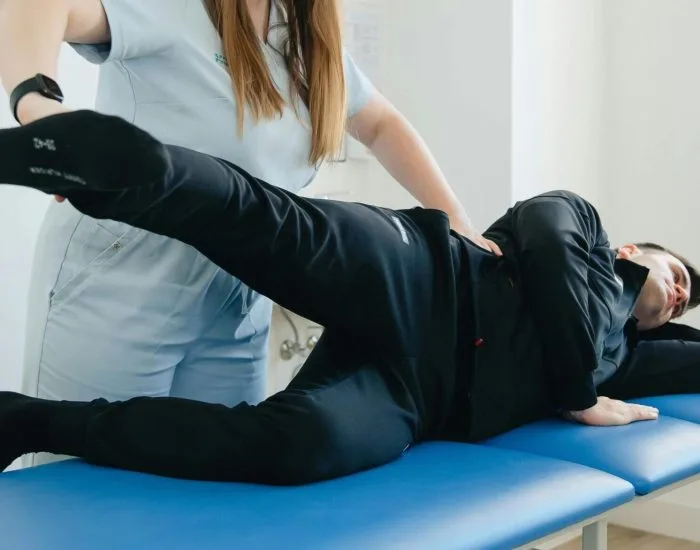
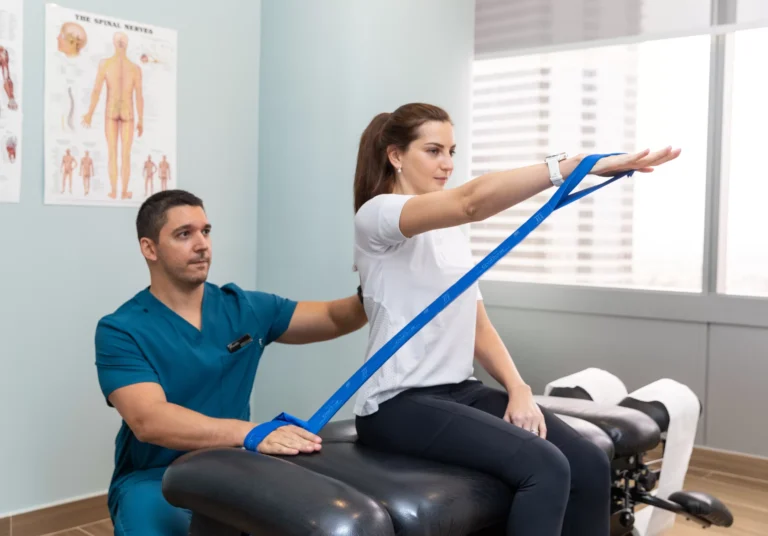
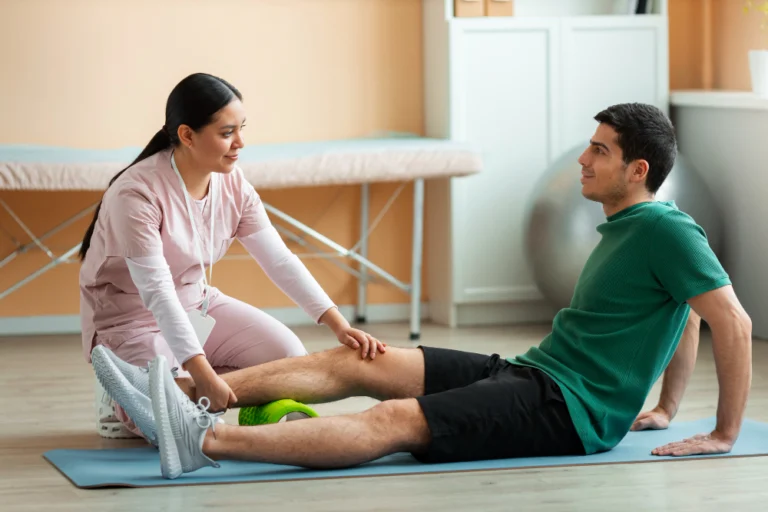
One of the most effective non-surgical treatments is Physiotherapy for knee pain. A structured rehabilitation program can strengthen the muscles around the knee, improve flexibility, and restore normal movement.
Benefits of physiotherapy include:
- Improved joint stability
- Better flexibility
- Reduced knee stiffness
- Enhanced balance
- Faster recovery after injury
- Lower risk of future injuries
- Better walking and stair-climbing ability
A physiotherapist designs exercises based on your condition and recovery goals, ensuring safe and gradual improvement.
Knee Rehabilitation
Knee rehabilitation is essential after injuries, surgery, or prolonged periods of pain. Rehabilitation helps patients regain strength, mobility, and confidence while reducing the risk of re-injury.
A rehabilitation program may include:
- Stretching exercises
- Muscle strengthening
- Balance training
- Walking retraining
- Functional movement exercises
- Low-impact aerobic activities
- Flexibility exercises
Patients recovering from an ACL injury, Meniscus tear, or Sports knee injury often benefit significantly from supervised rehabilitation programs.
Joint Pain Treatment for Arthritis
For individuals with Osteoarthritis knee or other forms of arthritis, treatment focuses on reducing pain and preserving joint function.
Management strategies may include:
- Weight management
- Low-impact exercise
- Physiotherapy
- Anti-inflammatory medications
- Heat and cold therapy
- Lifestyle modifications
Maintaining a healthy body weight reduces stress on the knee joints and can significantly improve symptoms over time.
Knee Pain Relief at Home
While professional evaluation is important for persistent symptoms, some simple self-care measures may provide temporary knee pain relief.
Helpful home-care tips include:
- Rest the affected knee
- Apply an ice pack for 15–20 minutes several times a day
- Elevate the leg to reduce swelling
- Use a compression bandage if recommended
- Perform gentle stretching exercises
- Avoid activities that increase pain
- Wear supportive shoes
These measures can help reduce discomfort but should not replace medical evaluation if pain persists or worsens.
Lifestyle Changes for Healthy Knees
Healthy lifestyle habits can reduce your risk of developing chronic knee joint pain and improve long-term joint health.
Consider these preventive strategies:
Maintain a Healthy Weight
Excess body weight places additional pressure on the knee joints. Losing even a small amount of weight can significantly decrease pain and improve mobility.
Stay Physically Active
Regular low-impact activities such as walking, swimming, and cycling strengthen the muscles supporting the knee while improving flexibility.
Strengthen Your Leg Muscles
Strong quadriceps, hamstrings, and calf muscles provide better support and stability for the knee joint.
Warm Up Before Exercise
Proper warm-up and stretching before physical activity reduce the risk of Sports knee injury and muscle strains.
Wear Proper Footwear
Supportive shoes improve body alignment and reduce unnecessary stress on the knees during walking or exercise.
Avoid Repetitive Strain
Take regular breaks if your work or sport involves repetitive kneeling, squatting, or heavy lifting.
Why Early Treatment Matters
Many people continue to live with knee pain, believing it is simply part of aging. In reality, early diagnosis and timely treatment can prevent minor problems from becoming serious conditions.
Ignoring persistent pain in knee may lead to:
- Progressive cartilage damage
- Increased knee stiffness
- Chronic inflammation
- Reduced mobility
- Higher risk of falls
- Long-term disability
- More complex treatment requirements
Conclusion
Living with knee pain can affect your mobility, independence, and overall quality of life. Whether your symptoms are caused by arthritis, a Sports knee injury, Runner’s knee, an ACL injury, or a Meniscus tear, timely diagnosis and personalized treatment are essential for long-term recovery.
At Peshawar Medical Center, we are committed to providing high-quality Knee Pain Treatment Dubai through comprehensive medical evaluation, advanced diagnostic services, Physiotherapy for knee pain, and customized Knee rehabilitation programs. Our patient-centered approach focuses on relieving pain, restoring movement, and helping you return to an active lifestyle safely.
If you are experiencing persistent pain in knee, knee stiffness, swelling, or difficulty walking, don’t delay seeking professional medical care. Early treatment can help prevent complications and protect your long-term joint health.
Frequently Asked Questions (FAQs)
1. What is the most common cause of knee pain?
The most common knee pain causes include osteoarthritis, sports injuries, ligament tears, Meniscus tear, ACL injury, tendon inflammation, obesity, and overuse. A proper medical evaluation helps determine the exact cause and the most suitable treatment.
2. When should I seek Knee Pain Treatment Dubai?
You should seek Knee Pain Treatment Dubai if your pain lasts more than a few days, worsens over time, causes difficulty walking, is associated with swelling, or follows an injury. Early treatment can prevent long-term joint damage.
3. Can physiotherapy help with knee pain?
Yes. Physiotherapy for knee pain is one of the most effective non-surgical treatments. It helps improve strength, flexibility, joint stability, and mobility while reducing pain and the risk of future injuries.
4. What are the symptoms of an ACL injury?
An ACL injury often causes a popping sound at the time of injury, severe pain, rapid swelling, knee instability, and difficulty bearing weight. Immediate medical assessment is recommended.
5. How do I know if I have a Meniscus tear?
A Meniscus tear may cause sharp knee pain, swelling, locking or catching of the knee, clicking sounds, and difficulty bending or straightening the joint. Your doctor may recommend an MRI to confirm the diagnosis.
6. Can arthritis cause knee pain?
Yes. Osteoarthritis knee is one of the leading causes of chronic knee joint pain, especially in older adults. Early diagnosis and appropriate treatment can help reduce pain and improve mobility.