Hijama, also known as wet cupping therapy, has been practiced for centuries in various cultures as a natural healing method. Despite its long history and growing popularity, many Hijama misconceptions continue to circulate. These misunderstandings often lead to confusion, fear, or unrealistic expectations.
In this detailed guide at Peshawar Medical Center Dubai, we will address the most common Hijama misconceptions, clarify the facts, and help you make informed decisions about this traditional therapy.
Understanding Hijama Therapy
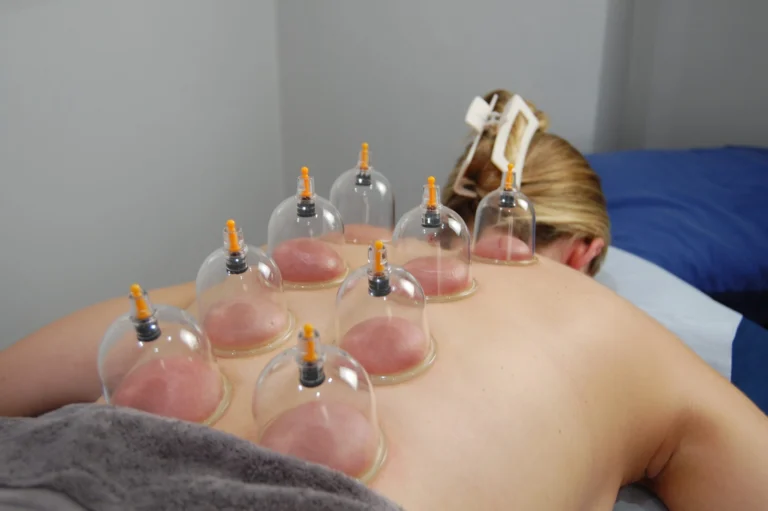
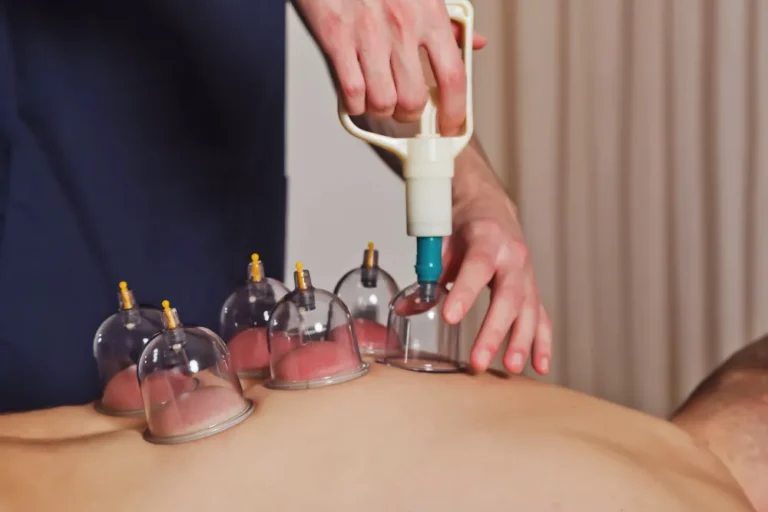
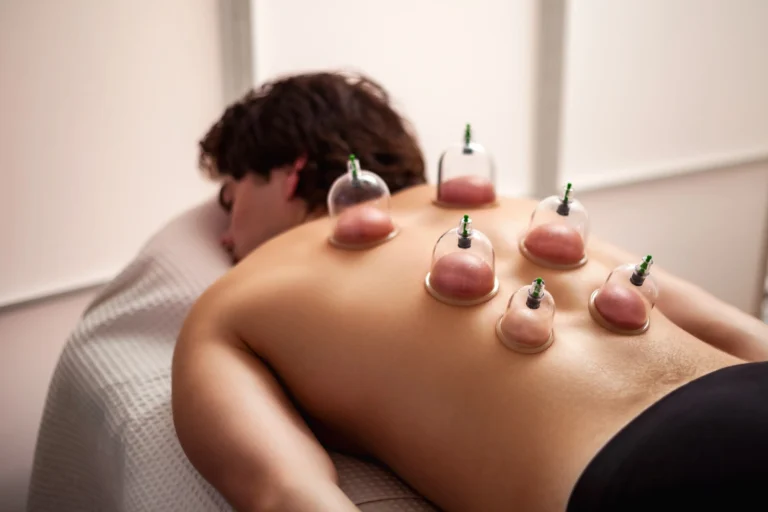
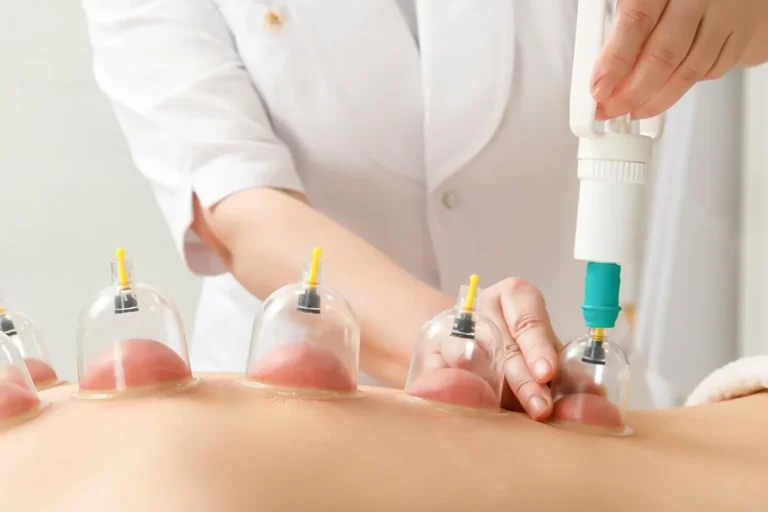
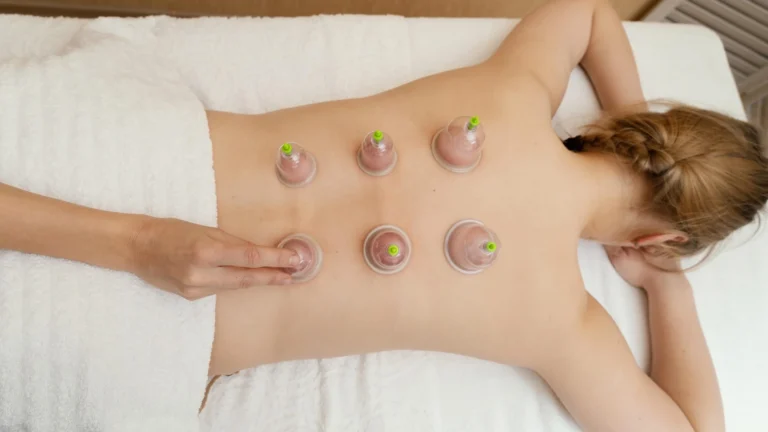
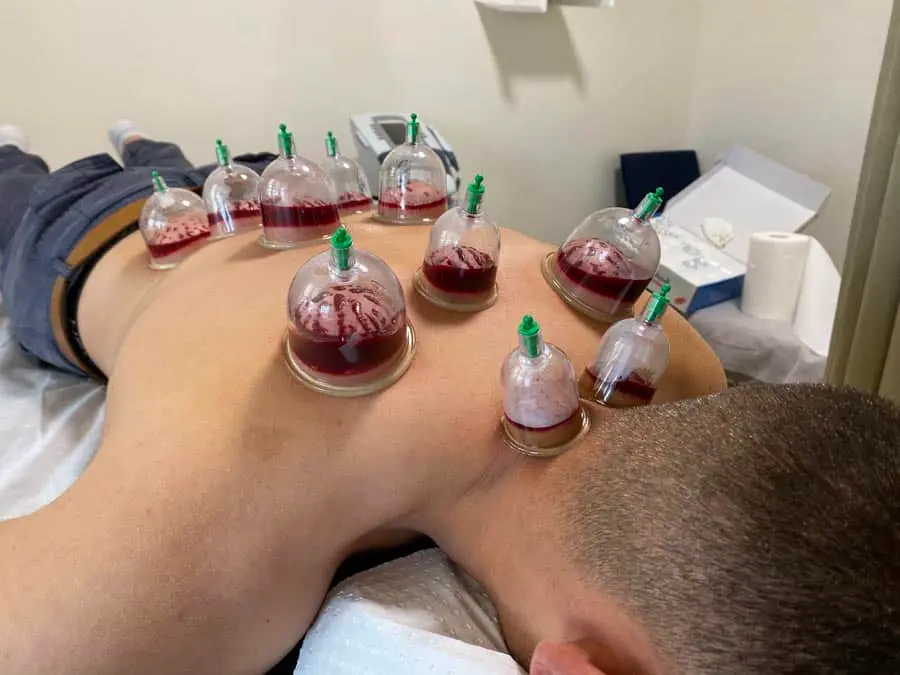
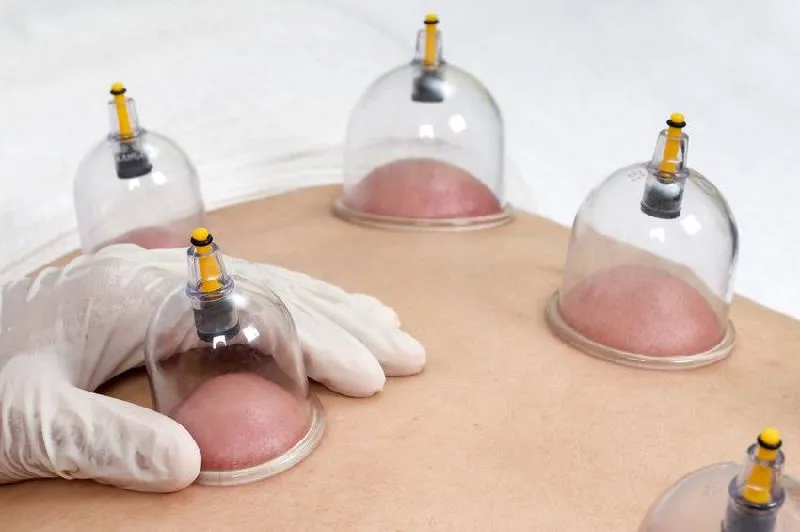
Hijama involves placing specialized cups on the skin to create suction. In wet cupping, small, superficial incisions are made to draw out a small amount of blood. This process is believed to stimulate circulation, promote healing, and support overall wellness.
When performed by trained professionals under hygienic conditions, Hijama is considered a safe complementary therapy.
Common Hijama Misconceptions Explained
1. Hijama Misconception: It Is Extremely Painful and Dangerous
One of the most widespread Hijama misconceptions is that the procedure is very painful and unsafe.
Reality:
Most people experience only mild discomfort. The suction sensation may feel unusual, but it is generally well-tolerated. When performed by a certified practitioner using sterile equipment, the procedure is safe with minimal risks.
2. Hijama Misconception: It Can Cure All Diseases
Another major Hijama misconception is that it is a miracle cure for every illness.
Reality:
Hijama is not a cure-all treatment. While it may help with muscle tension, stress, and certain types of pain, it should never replace medical treatment. It works best as a complementary therapy alongside conventional healthcare.
3. Hijama Misconception: It Removes “Dirty Blood”
Many people believe that Hijama removes “toxic” or “dirty” blood from the body.
Reality:
From a medical perspective, this is one of the most misunderstood Hijama misconceptions. The therapy does not selectively remove toxins. Instead, it may stimulate blood flow, encourage local healing responses, and improve circulation.
4. Hijama Misconception: Anyone Can Perform It
Some assume that Hijama is simple enough for anyone to perform.
Reality:
This is a dangerous Hijama misconception. Proper training is essential. Practitioners must understand anatomy, sterilization, and patient assessment. Unqualified practice can lead to infections, skin damage, or other complications.
5. Hijama Misconception: It Has No Scientific Support
There is a belief that Hijama lacks any scientific basis.
Reality:
Although more research is needed, some studies suggest that cupping therapy may help reduce pain, improve circulation, and promote relaxation. This shows that not all Hijama misconceptions about its effectiveness are accurate.
6. Hijama Misconception: It Leaves Permanent Scars
Many people avoid Hijama due to fear of permanent marks.
Reality:
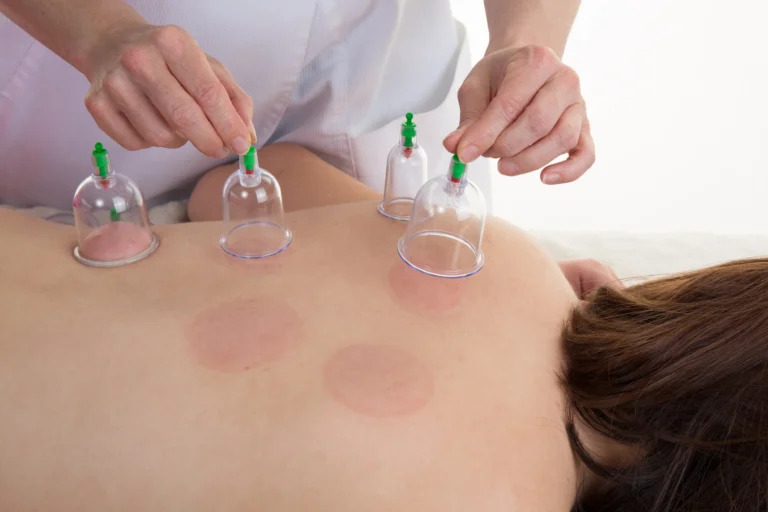
Hijama may leave temporary circular marks or mild bruising. These usually fade within a few days to two weeks. Permanent scarring is rare when the procedure is done correctly.
7. Hijama Misconception: It Is Suitable for Everyone
Another common Hijama misconception is that anyone can safely undergo the therapy.
Reality:
Hijama is not suitable for everyone. Individuals with conditions such as:
- Bleeding disorders
- Severe anemia
- Skin infections
- Certain chronic illnesses
should consult a healthcare professional before considering treatment.
The Importance of Professional Care
To avoid risks associated with Hijama misconceptions, it is essential to seek professional care. A reputable practitioner will ensure:
- Use of sterile, single-use equipment
- Proper hygiene and infection control
- Patient assessment before treatment
- Clear aftercare instructions
Choosing a qualified clinic significantly reduces the risk of complications.
When to Consider Hijama Therapy
Hijama can be considered as a supportive therapy for:
- Muscle stiffness and tension
- General fatigue
- Stress-related discomfort
- Overall wellness support
However, it should always be part of a broader health plan, not a replacement for medical care.
Conclusion
Understanding and addressing Hijama misconceptions is crucial for making informed health decisions. While Hijama offers potential benefits, it is not a miracle cure and should be approached responsibly.
When performed by trained professionals in a hygienic environment, Hijama can be a safe and effective complementary therapy. Always consult a healthcare provider to determine whether it is appropriate for your specific condition.
FAQs About Hijama Misconceptions
1. Are Hijama misconceptions common?
Yes, many myths exist due to lack of accurate information and cultural misunderstandings.
2. Does Hijama hurt?
Most people experience only mild discomfort when done by a professional.
3. Is Hijama scientifically proven?
Some research supports its benefits, but more studies are needed.
4. Can Hijama replace medical treatment?
No, it should only be used as a complementary therapy.
5. How can I avoid risks related to Hijama misconceptions?
Always choose a certified practitioner and consult a healthcare professional before treatment.