Cardiovascular disease (CVD) is one of the leading causes of death globally and remains a major health concern in the UAE. Many patients ignore early heart symptoms Dubai residents commonly experience, assuming they are stress-related or temporary. However, recognizing these warning signs early can prevent serious complications, including heart attacks and heart failure.
At Peshawar Medical Center, Dubai, we aim to educate patients about early detection, cardiovascular risk, and timely medical care to protect long-term heart health in Dubai.
Why Understanding Heart Symptoms in Dubai Is Important
Dubai’s fast-paced lifestyle, high stress levels, limited physical activity, and increasing rates of diabetes and hypertension significantly contribute to rising cardiovascular risk in the UAE. Early identification of heart symptoms Dubai patients may overlook can lead to faster diagnosis and better treatment outcomes.
Heart disease often develops silently, making awareness and routine screening essential for prevention.
Common Heart Symptoms Dubai Patients Should Never Ignore
1. Chest Pain or Chest Discomfort
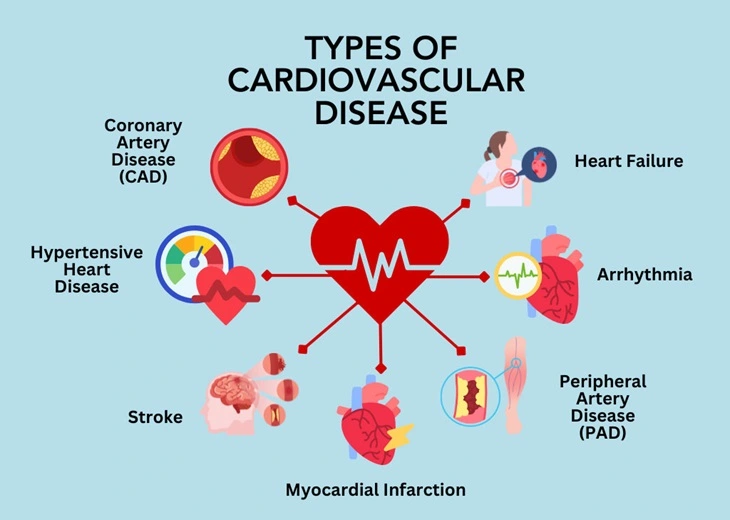
Chest pain is one of the most critical heart attack symptoms. It may present as pressure, tightness, burning, or heaviness in the chest and may radiate to the arm, neck, jaw, back, or shoulders. Any unexplained chest pain requires immediate chest pain evaluation in Dubai.
2. Shortness of Breath
Breathlessness during daily activities or at rest is a common but overlooked heart problem symptom. It may indicate reduced heart function or blocked arteries and should be assessed promptly.
3. Persistent or Unusual Fatigue
Ongoing fatigue without a clear cause can be an early sign of heart disease, especially in women. Reduced blood flow and poor oxygen delivery can cause constant tiredness.
4. Irregular Heartbeat or Palpitations
A racing, fluttering, or irregular heartbeat may signal arrhythmias or other cardiac conditions. Recurrent palpitations should always be medically evaluated.
5. Dizziness or Fainting Episodes
Sudden dizziness, lightheadedness, or fainting may occur when the heart is unable to pump adequate blood to the brain. These heart symptoms Dubai residents experience should not be ignored.
6. Swelling in Legs, Ankles, or Feet
Swelling in the lower extremities can be a sign of heart failure caused by fluid retention. This symptom often develops gradually and is commonly mistaken for a circulation or lifestyle issue.
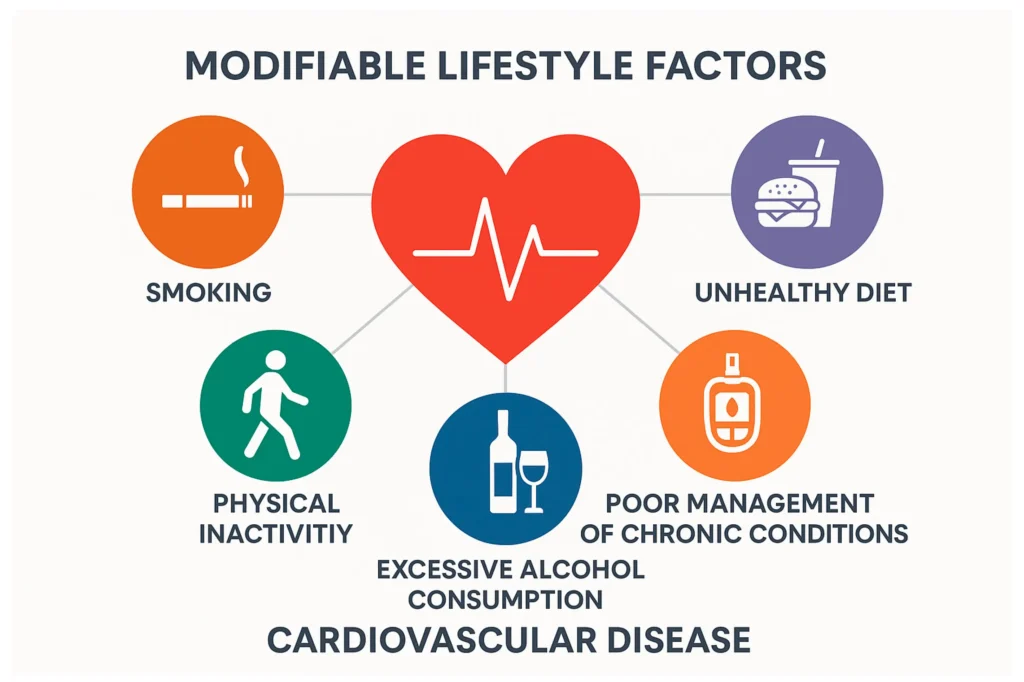
Cardiovascular Risk Factors in the UAE
Several factors increase cardiovascular risk in the UAE, including:
- High blood pressure
- Diabetes and prediabetes
- High cholesterol levels
- Smoking or vaping
- Obesity and sedentary lifestyle
- Family history of heart disease
- Chronic stress
Managing these risk factors is essential for maintaining optimal heart health Dubai residents depend on.
When to Seek Immediate Medical Care in Dubai
Seek urgent medical attention if you experience:
- Sudden or severe chest pain
- Chest pain with sweating, nausea, or shortness of breath
- Pain spreading to the arm, jaw, or back
- Sudden collapse or fainting
Early chest pain evaluation Dubai clinics provide can be lifesaving and should never be delayed.
Heart Care at Peshawar Medical Center, Dubai
At Peshawar Medical Center, we provide patient-focused care for evaluating and managing heart symptoms Dubai patients present with. Our services include:
- Comprehensive cardiovascular assessment
- Blood pressure, cholesterol, and glucose screening
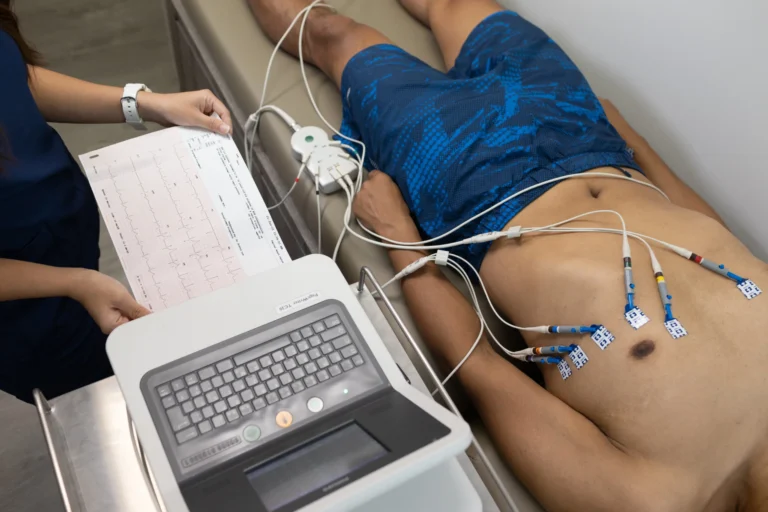
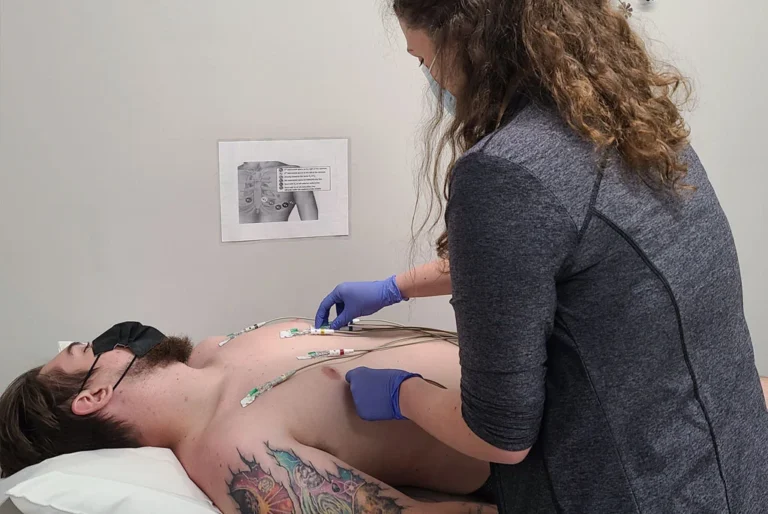
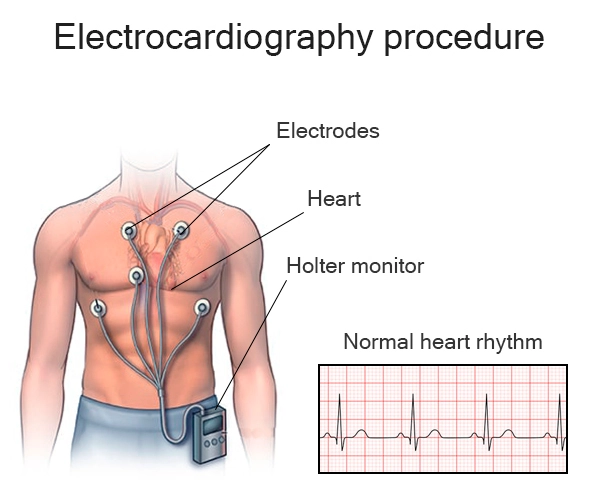
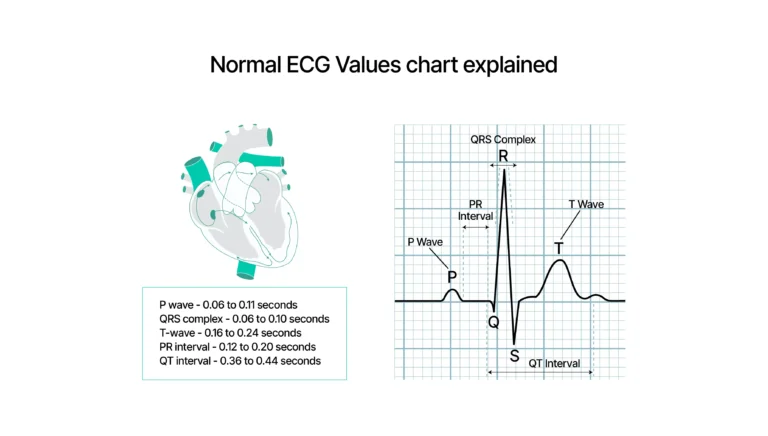
- ECG and referral for advanced cardiac testing when needed
- Preventive counseling and lifestyle modification guidance
Our goal is early detection, effective management, and long-term cardiovascular wellness.
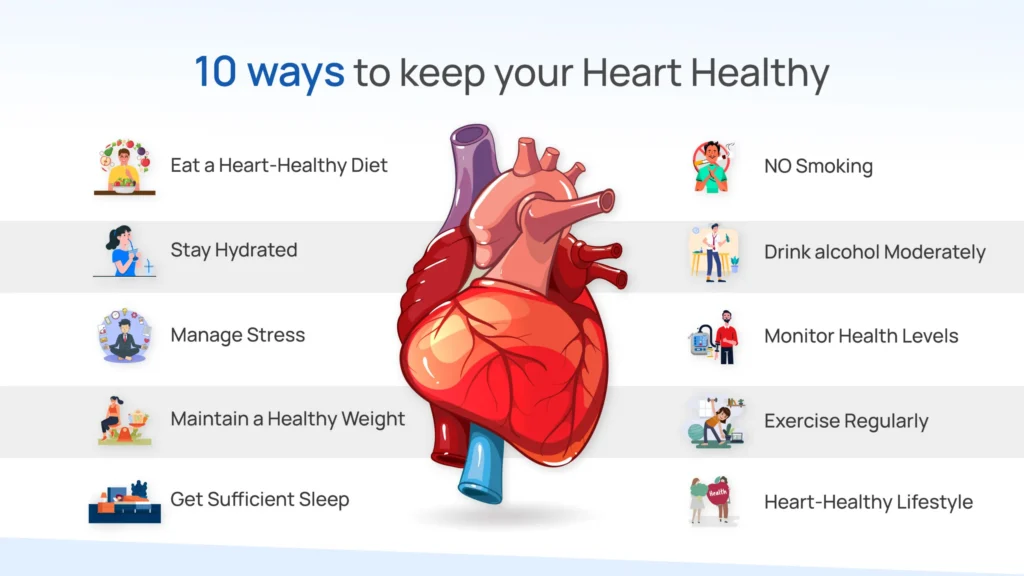
Tips to Improve Heart Health in Dubai
- Engage in regular physical activity
- Follow a balanced, heart-healthy diet
- Quit smoking and limit alcohol intake
- Manage stress through relaxation techniques
- Schedule regular health check-ups
Preventive care is the cornerstone of maintaining lifelong heart health.
Frequently Asked Questions (FAQs)
1. What are the most common heart symptoms Dubai residents experience?
Chest pain, shortness of breath, fatigue, palpitations, dizziness, and leg swelling are among the most common heart-related symptoms.
2. Are heart attack symptoms the same for everyone?
No. Men often experience chest pain, while women may present with fatigue, nausea, jaw pain, or breathlessness.
3. When should I seek chest pain evaluation in Dubai?
Any new, persistent, or severe chest pain should be evaluated immediately, especially if accompanied by other symptoms.
4. Who is at higher cardiovascular risk in the UAE?
People with diabetes, hypertension, high cholesterol, obesity, smokers, and those with a family history of heart disease are at higher risk.
5. How can Peshawar Medical Center help with heart symptoms Dubai patients face?
Peshawar Medical Center offers early diagnosis, risk assessment, and personalized care plans to manage symptoms and reduce future heart complications.
Take control of your heart health today. Recognizing early heart symptoms Dubai patients experience and seeking timely medical care can save lives. Visit Peshawar Medical Center, Dubai for professional cardiovascular evaluation and guidance.