In today’s fast-paced and health-conscious world, preventive healthcare has become a priority for both individuals and organizations. Employers increasingly recognize the importance of ensuring that their workforce is medically fit, while individuals seek regular health assessments to detect potential issues early. One essential diagnostic tool widely used in both ECG in pre-employment screening and routine health evaluations is the electrocardiogram (ECG). The growing importance of ECG in pre-employment screening highlights its role in detecting underlying heart conditions before they become serious.
At Peshawar Medical Center, comprehensive screening programs are designed to support early detection of health concerns and promote overall well-being.
What Is an ECG and Why Is It Important?
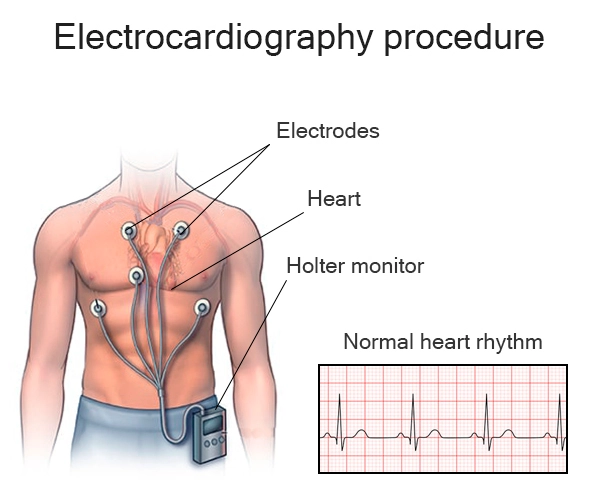
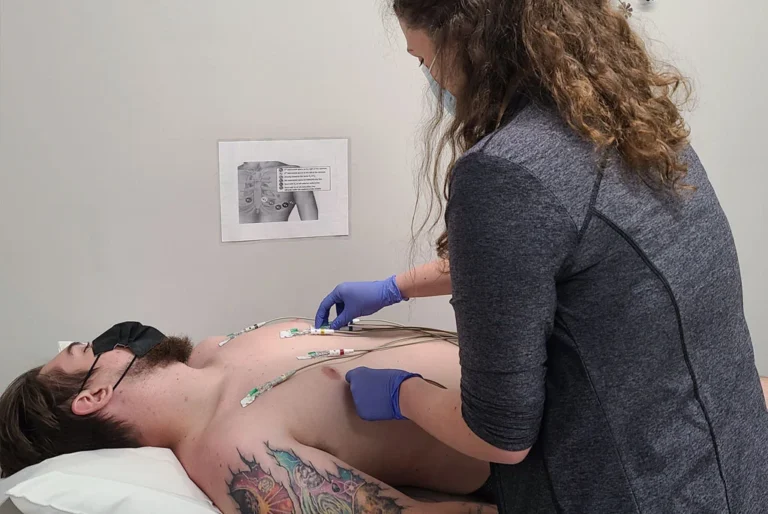
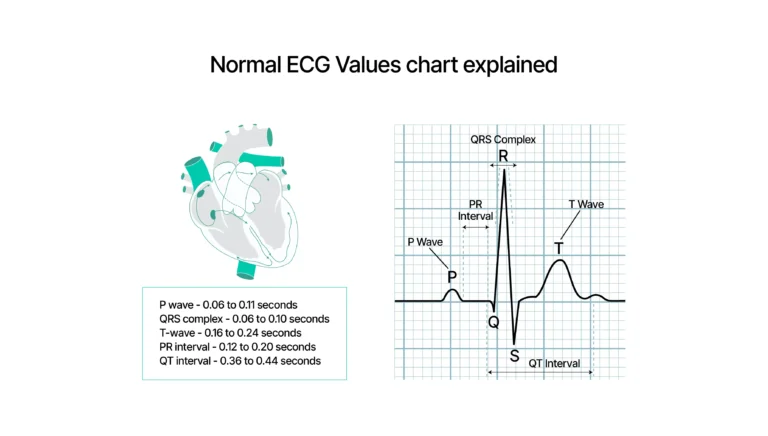
An electrocardiogram is a simple, non-invasive test that records the electrical activity of the heart. It helps identify irregular heart rhythms, structural abnormalities, and signs of underlying cardiac conditions. Because of its accuracy, affordability, and quick results, it is commonly included in medical check-ups.
In both occupational and routine healthcare settings, ECG in pre-employment screening plays a critical role in ensuring that individuals are physically fit and free from undiagnosed cardiac issues.
ECG in Pre-Employment Medical Assessments
Ensuring Workforce Safety
The use of ECG in pre-employment screening is especially important in industries involving physical labor, high stress, or safety-sensitive roles. It helps determine whether a candidate’s heart is functioning properly and can handle job-related demands.
Identifying Hidden Cardiac Conditions
A key benefit of ECG in pre-employment screening is its ability to detect hidden heart conditions in individuals who may not show symptoms. These include:
- Irregular heart rhythms (arrhythmias)
- Signs of previous heart damage
- Conduction abnormalities
Early detection helps employers make informed hiring decisions and ensures employee safety.
Compliance with Health Regulations
In many regions, including Dubai, medical fitness tests are required before employment. ECG in pre-employment screening is often included to meet occupational health and safety regulations.
ECG in Routine Health Screening
Early Detection of Cardiovascular Disease
Routine check-ups that include ECG testing help detect early signs of heart disease. While ECG in pre-employment screening focuses on job readiness, routine ECGs ensure long-term health monitoring and timely intervention.
Monitoring Existing Health Conditions
Individuals with hypertension, diabetes, or a family history of heart disease benefit from regular ECG monitoring. These tests help healthcare providers assess disease progression and adjust treatment plans.
Supporting Preventive Healthcare
Preventive screening is essential for everyone—not just those with symptoms. Even healthy individuals can benefit from ECG testing to establish a baseline and monitor changes over time.
Who Should Consider Regular ECG Screening?
While ECG in pre-employment screening is crucial for job applicants, routine ECG testing is especially recommended for:
- Individuals over the age of 40
- People with a sedentary lifestyle
- Those with high blood pressure or diabetes
- Individuals with a family history of heart disease
- Employees in physically demanding or high-risk occupations
Benefits of Including ECG in Health Programs
Incorporating ECG in pre-employment screening and routine health assessments offers several advantages:
- Quick and non-invasive procedure
- Accurate detection of heart abnormalities
- Cost-effective screening tool
- Improved employee health and productivity
- Reduced risk of unexpected medical emergencies
Organizations that prioritize employee health foster a safer and more productive work environment.

Conclusion
ECG in pre-employment screening has become an essential part of modern healthcare. Its ability to detect early cardiac abnormalities makes it a valuable tool for both employers and individuals. When combined with routine health screenings, it helps minimize risks and improves overall well-being.
Healthcare providers such as Peshawar Medical Center offer reliable screening services to support preventive care and ensure individuals are fit for both work and daily life.
FAQs About ECG in Pre Employment Screening
1. What is ECG in pre-employment screening?
ECG in pre-employment screening is a medical test used to evaluate a candidate’s heart health before hiring. It helps detect any underlying cardiac conditions that could affect job performance or safety.
2. Why is ECG in pre-employment screening important?
ECG in pre-employment screening is important because it ensures that employees are physically fit for their roles, especially in high-risk or physically demanding jobs. It also helps prevent workplace medical emergencies.
3. Is ECG in pre-employment screening mandatory?
ECG in pre-employment screening may be mandatory in certain industries or regions, particularly for safety-sensitive roles. Requirements vary depending on local regulations and company policies.
4. What conditions can ECG in pre-employment screening detect?
ECG in pre-employment screening can identify conditions such as irregular heart rhythms (arrhythmias), signs of previous heart attacks, and other electrical or structural abnormalities of the heart.
5. How long does ECG in pre-employment screening take?
ECG in pre-employment screening is a quick and non-invasive procedure that usually takes around 5–10 minutes, with results often available shortly after the test.