Early detection of diabetes and hypertension is essential for preventing serious health complications. These two chronic conditions are among the most common health issues worldwide, and their prevalence continues to increase in rapidly growing cities like Dubai. Unfortunately, both conditions often develop silently and may not show clear symptoms in the early stages.
Because of this, many individuals remain unaware of their health risks until complications appear. Routine visits to a General Practitioner (GP) play a crucial role in the early detection of diabetes and hypertension, allowing patients to receive timely medical advice and treatment.
Early diagnosis not only improves treatment outcomes but also reduces the risk of serious complications such as heart disease, kidney problems, and stroke.
Why Early Detection of Diabetes and Hypertension Matters
Both diabetes and hypertension can gradually damage the body if they are not detected and managed early. The early detection of diabetes allows healthcare providers to implement lifestyle changes, monitoring plans, and treatment strategies before complications develop.
Some important benefits of early detection include:
- Preventing damage to the heart, kidneys, and blood vessels
- Reducing the risk of stroke or heart attack
- Improving long-term health outcomes
- Lowering healthcare costs associated with advanced disease
Regular medical checkups help doctors identify risk factors before symptoms become noticeable.
Understanding Diabetes and Its Risks
Diabetes occurs when the body cannot properly regulate blood sugar levels. The early detection of diabetes is particularly important because the condition can develop slowly, especially in adults with certain lifestyle risk factors.
Common Risk Factors
Several factors may increase the likelihood of developing diabetes, including:
- Family history of diabetes
- Excess body weight
- Sedentary lifestyle
- Poor dietary habits
- High blood pressure or cholesterol levels
Routine health assessments and blood tests can help with the early detection of diabetes, allowing patients to take preventive measures before the disease progresses.
Recognizing Hypertension Before Symptoms Appear
Hypertension, commonly known as high blood pressure, is often referred to as a “silent condition.” Like diabetes, it may not cause noticeable symptoms during its early stages.
However, consistently high blood pressure can place significant strain on the heart and blood vessels.
Potential Complications
If hypertension is left untreated, it may lead to:
- Heart disease
- Stroke
- Kidney damage
- Vision problems
Regular monitoring during medical appointments helps detect abnormal blood pressure levels early.
The Role of Routine GP Visits in Early Detection of Diabetes
Routine visits to a GP provide an opportunity for comprehensive health assessments that support the early detection of diabetes and hypertension.
Blood Pressure Monitoring
Measuring blood pressure is a quick and essential step in identifying hypertension. Multiple readings over time help determine whether elevated levels require further evaluation.
Blood Sugar Testing
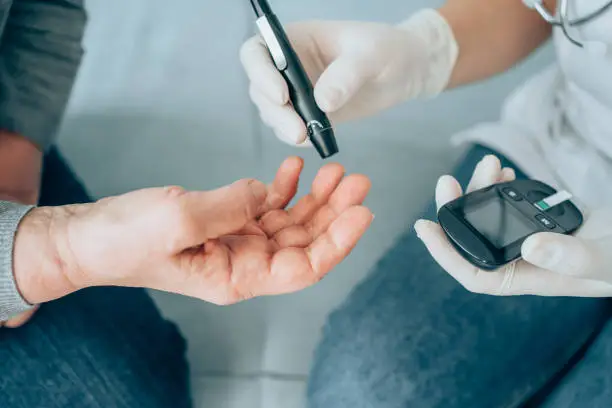
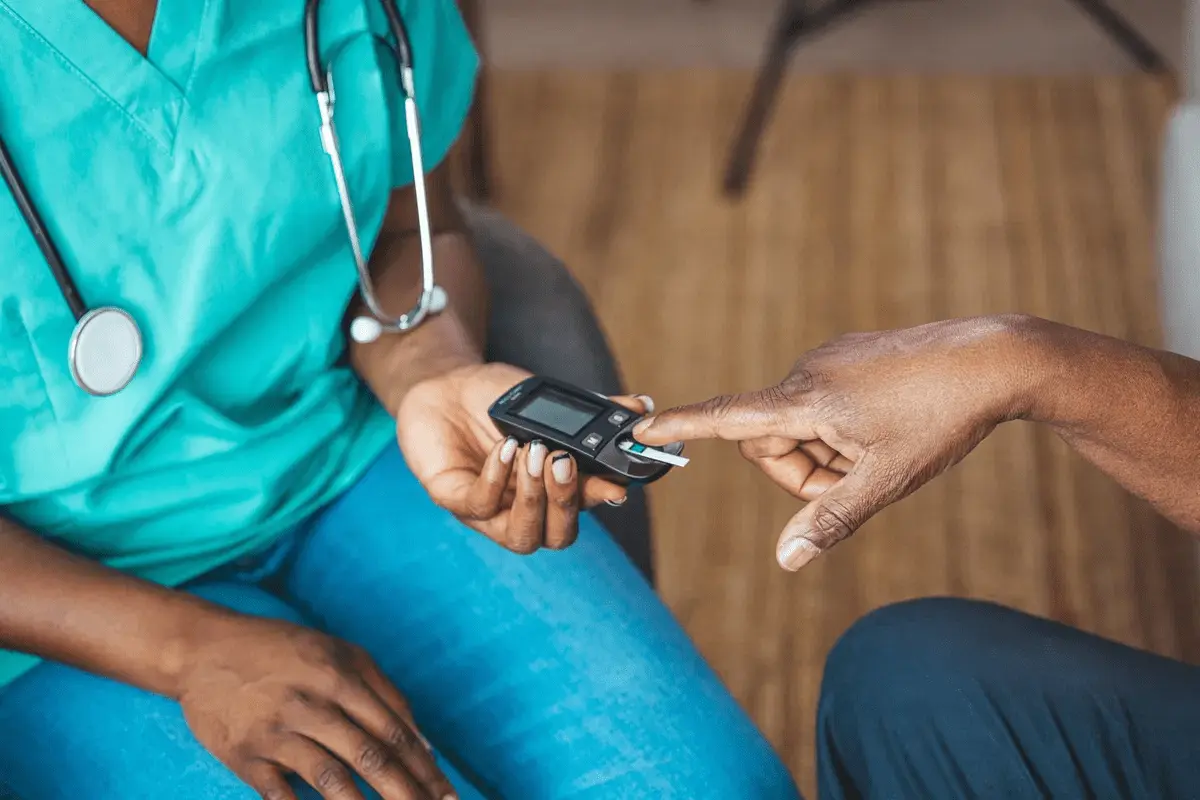
Doctors often recommend tests such as fasting glucose or HbA1c to help with the early detection of diabetes. These tests measure how well the body regulates blood sugar levels and can identify prediabetes or diabetes before symptoms develop.
Risk Assessment
GPs also review factors such as family history, weight, diet, and physical activity levels to determine a patient’s overall risk.
Lifestyle Guidance for Prevention
When early warning signs are detected, doctors often recommend lifestyle changes to help prevent or manage these conditions.
Common recommendations include:
- Maintaining a balanced diet with less sugar and salt
- Engaging in regular physical activity
- Maintaining a healthy weight
- Managing stress effectively
- Avoiding smoking and limiting alcohol consumption
These lifestyle adjustments can significantly support the early detection of diabetes and help prevent disease progression.
Monitoring and Ongoing Care
The early detection of diabetes is only the first step toward maintaining good health. Continuous monitoring ensures that blood sugar and blood pressure levels remain under control.
Regular follow-up visits allow doctors to:
- Track health progress
- Adjust treatment plans if necessary
- Provide ongoing lifestyle guidance
Patients who attend routine appointments and follow medical advice are more likely to maintain long-term health and prevent complications.
Conclusion
The early detection of diabetes and hypertension at Peshawar Medical Center Dubai plays a vital role in preventing serious health complications. Since these conditions often develop without obvious symptoms, routine visits to our GP are essential for identifying potential risks.
Through regular monitoring, blood tests, and lifestyle guidance, healthcare professionals can help patients detect health issues early and manage them effectively. Prioritizing routine medical checkups and adopting healthier lifestyle habits can significantly reduce the risk of complications and support long-term wellbeing.
FAQs About Early Detection of Diabetes
1. Why is early detection of diabetes important?
Early detection of diabetes allows doctors to manage blood sugar levels before complications such as heart disease, kidney damage, or nerve problems develop.
2. How often should blood sugar and blood pressure be checked?
Most adults should have these checked at least once a year, but individuals with higher risk may require more frequent monitoring.
3. Can lifestyle changes help prevent diabetes?
Yes, healthy eating, regular exercise, maintaining a healthy weight, and stress management can significantly reduce the risk.
4. Who is most at risk of developing diabetes?
People with a family history of diabetes, obesity, sedentary lifestyles, or poor dietary habits are at higher risk.
5. What tests help with early detection of diabetes?
Common tests include fasting blood glucose tests and the HbA1c test, which measure how well the body controls blood sugar.