
Vitamin D Deficiency Symptoms: Early Warning Signs, Causes, Testing and Treatment
Vitamin D plays an important role in maintaining healthy bones, supporting muscle function and helping the body absorb calcium. Despite its importance, many people do not realise that their vitamin D levels may be low until they begin experiencing physical symptoms or undergo a blood test.
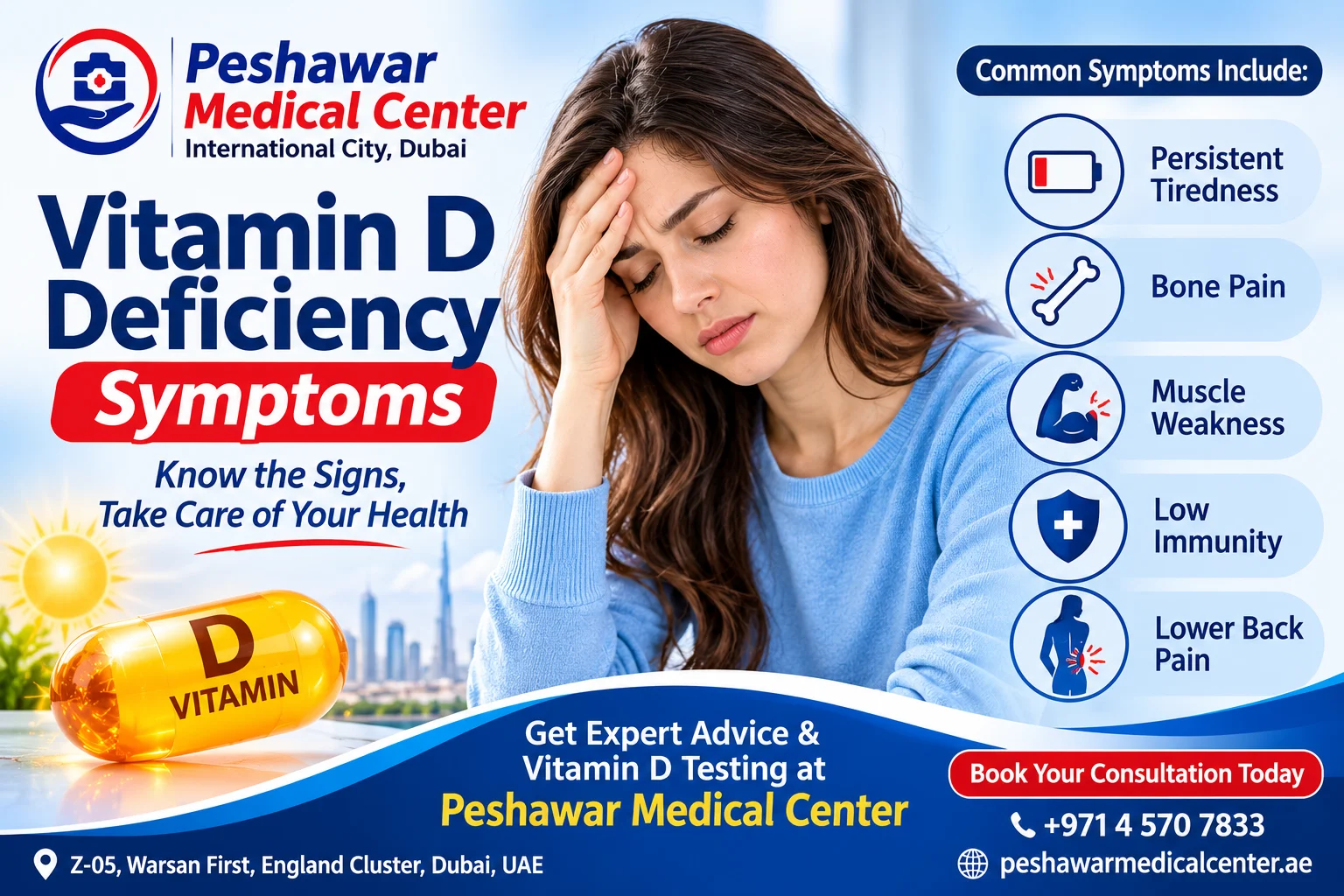
Vitamin D deficiency symptoms can develop gradually, making them difficult to recognise in everyday life. Persistent tiredness, muscle weakness, bone discomfort and frequent aches are some possible warning signs. However, these symptoms can also be related to other medical conditions, so proper medical assessment is important.
In Dubai, busy working schedules, indoor lifestyles and limited outdoor activities during extremely hot weather may reduce opportunities for regular sunlight exposure. This makes it important to understand vitamin D deficiency, recognise possible symptoms and seek medical advice when necessary.
At Peshawar Medical Center (PMC), Dubai, we believe that health awareness and appropriate diagnostic testing are important steps towards better health. Our medical team can help patients understand their symptoms, discuss relevant investigations and receive guidance based on their individual health needs.
What Is Vitamin D Deficiency?
Vitamin D deficiency occurs when the body does not have enough vitamin D to maintain its normal functions. Vitamin D is a fat-soluble vitamin that helps the intestines absorb calcium and phosphorus, two essential minerals for healthy bones and teeth.
The body produces vitamin D naturally when the skin is exposed to ultraviolet B (UVB) rays from sunlight. It can also be obtained through certain foods, fortified products and dietary supplements.
Vitamin D supports several important functions, including:
- Maintaining strong bones and teeth.
- Supporting normal muscle function.
- Helping the body absorb calcium.
- Contributing to normal immune system function.
- Supporting healthy bone development in children.
When vitamin D levels remain low for an extended period, the body may struggle to maintain healthy bones and muscles. Severe deficiency can lead to conditions such as osteomalacia in adults and rickets in children.

10 Common Vitamin D Deficiency Symptoms
Recognising the early warning signs can help people seek appropriate medical advice. Although some individuals have no noticeable symptoms, others may experience the following problems.
1. Persistent Tiredness and Fatigue
Feeling tired after a busy day is normal. However, ongoing fatigue that does not improve with adequate sleep may deserve medical attention.
Some people with low vitamin D levels report reduced energy, general weakness and difficulty completing their usual activities.
Fatigue has many possible causes, including poor sleep, anaemia, thyroid disorders and nutritional deficiencies. A healthcare professional can help identify the underlying reason.
2. Bone Pain and Discomfort
Vitamin D helps the body absorb calcium, which is essential for maintaining strong bones.
When deficiency becomes severe, bone mineralisation can be affected. Adults may develop osteomalacia, a condition in which bones become softer and weaker.
Possible signs include:
- Aching bones.
- Discomfort in the lower back.
- Pain around the hips.
- Tenderness in the legs.
- General bone discomfort.
Persistent or unexplained bone pain should be evaluated by a medical professional rather than treated with supplements without a diagnosis.
3. Muscle Weakness
Muscles require vitamin D for normal functioning. Some people with deficiency experience weakness, particularly in muscles around the hips and thighs.
This may make ordinary activities more difficult, including climbing stairs, getting up from a chair or walking for longer periods.
Muscle weakness can also result from other medical conditions, so appropriate assessment is necessary.
4. Frequent Muscle Aches and Cramps
Another possible vitamin D deficiency symptom is unexplained muscle discomfort.
Some individuals experience muscle aches, cramps or tenderness that interfere with their daily routine. These problems may occur alongside bone discomfort or general weakness.
However, dehydration, exercise, electrolyte imbalances and certain medications can also contribute to muscle cramps.
5. Lower Back Pain
Persistent lower back discomfort is a common health complaint. In some cases, vitamin D deficiency may contribute to musculoskeletal or bone-related pain.
People experiencing recurring back pain should not automatically assume that low vitamin D is responsible. Poor posture, muscle strain, spinal problems and other conditions are also possible causes.
A proper medical examination can help determine the reason for the discomfort.
6. Increased Risk of Bone Fractures
Long-term and severe vitamin D deficiency can affect bone strength.
When the body cannot absorb enough calcium, bone health may gradually deteriorate. This can increase the risk of weak bones and fractures, particularly in older adults and people with other bone-health conditions.
People with repeated fractures or concerns about bone density should discuss appropriate investigations with their doctor.
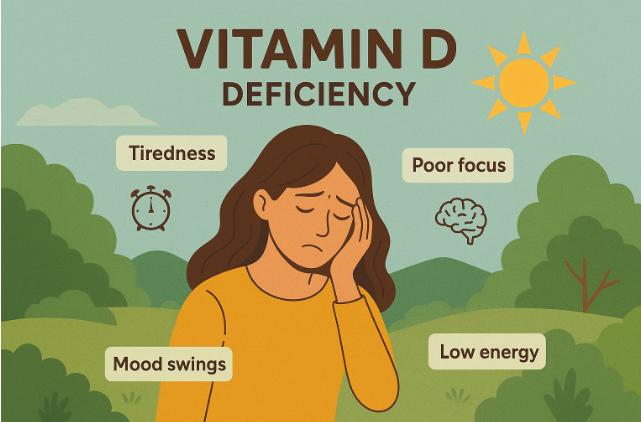
7. Mood Changes
Some people with low vitamin D levels report changes in mood or general wellbeing.
However, mood changes are not a specific sign of vitamin D deficiency. Stress, sleep problems, depression and several other health conditions can cause similar experiences.
If mood changes persist or affect everyday life, professional support is important.
8. Slow Recovery and General Weakness
People sometimes associate vitamin D deficiency with feeling physically weak or taking longer to recover from normal daily activities.
Vitamin D has a role in normal muscle and immune function, but these experiences are not enough to confirm a deficiency.
A medical professional may consider dietary habits, lifestyle, medical history and appropriate blood investigations.
9. Bone Tenderness
In more significant cases of vitamin D deficiency, people may experience tenderness in different areas of the skeleton.
The ribs, hips, legs and lower back may become uncomfortable when pressure is applied.
This symptom can be associated with osteomalacia, but other bone and joint conditions can cause similar discomfort.
10. Delayed Growth and Bone Development in Children
Vitamin D is especially important during childhood because bones are growing and developing.
Severe deficiency can lead to rickets, which may cause:
- Delayed physical growth.
- Bone pain or tenderness.
- Bowed legs.
- Muscle weakness.
- Problems with normal bone development.
Parents should consult a healthcare professional if they notice unusual growth or bone-related problems in their children.
What Causes Vitamin D Deficiency?
Vitamin D deficiency can develop for several reasons. Understanding these causes can help people make informed decisions about their health.
Limited sunlight exposure: People who spend most of their time indoors may receive less sunlight exposure. This can reduce the amount of vitamin D produced naturally by the skin.
Indoor working lifestyle: Office employees, remote workers and people with limited outdoor activities may have fewer opportunities for sunlight exposure.
Poor dietary intake: A diet that contains very few vitamin D-rich foods may contribute to inadequate vitamin D levels.
Ageing: As people grow older, their skin becomes less efficient at producing vitamin D from sunlight.
Digestive conditions: Certain intestinal conditions can interfere with the absorption of fat-soluble vitamins, including vitamin D.
Kidney and liver conditions: The kidneys and liver help convert vitamin D into forms that the body can use. Certain diseases affecting these organs may interfere with this process.
Obesity: Obesity is associated with a higher risk of low circulating vitamin D levels.
Who Is at Higher Risk of Vitamin D Deficiency?
Although vitamin D deficiency can affect people of different ages, certain groups may have a greater risk.
These include:
- Older adults.
- People who spend most of their day indoors.
- Individuals with limited dietary vitamin D intake.
- People with digestive absorption problems.
- Individuals with certain kidney or liver conditions.
- People who have undergone weight-loss surgery.
- Individuals taking certain medications that affect vitamin D metabolism.
People in these groups should discuss their individual risk with a healthcare professional rather than assuming that they need routine testing.
How Is Vitamin D Deficiency Diagnosed?
Symptoms alone cannot confirm vitamin D deficiency. The most reliable way to assess vitamin D status when testing is clinically appropriate is through a blood investigation called the 25-hydroxyvitamin D test, also written as 25(OH)D.
This test measures the main circulating form of vitamin D in the blood.
Depending on the patient’s symptoms and medical history, a doctor may also recommend other investigations, such as:
- Calcium blood test.
- Phosphate blood test.
- Alkaline phosphatase test.
- Additional investigations when another medical condition is suspected.
Not everyone needs vitamin D testing. A doctor can determine whether an investigation is appropriate based on symptoms, risk factors and medical history.
Vitamin D Blood Testing at Peshawar Medical Center, Dubai
If you are experiencing persistent fatigue, muscle weakness or unexplained bone discomfort, discussing your symptoms with a healthcare professional is a sensible first step.
At Peshawar Medical Center (PMC), Dubai, patients can seek medical guidance and access laboratory investigation services according to their healthcare needs.
Our approach focuses on understanding the patient’s symptoms and selecting appropriate investigations rather than recommending unnecessary tests.
If you are looking for a medical center in Dubai for blood testing, contact PMC to enquire about vitamin D testing availability, preparation requirements and appointment arrangements.
How Is Vitamin D Deficiency Treated?
Treatment depends on how low the vitamin D level is, the patient’s age, medical history and the underlying cause.
A healthcare professional may recommend the following approaches.
1. Vitamin D Supplements
Vitamin D supplements may be recommended when blood investigations confirm deficiency.
The appropriate dosage depends on the individual’s condition. Some patients may require a specific treatment course followed by a maintenance dose.
High-dose vitamin D should only be taken under medical supervision. Taking excessive amounts can cause vitamin D toxicity and lead to high calcium levels in the blood.
2. Improve Your Diet
Including vitamin D-containing foods in your regular diet can help support nutritional intake.
Some useful food sources include:
- Salmon and other fatty fish.
- Egg yolks.
- Fortified milk.
- Fortified breakfast cereals.
- Certain mushrooms.
- Fortified plant-based milk alternatives.
A balanced diet can support overall health, although food alone may not correct an established deficiency.
3. Safe Sunlight Exposure
Sunlight helps the body produce vitamin D naturally.
However, Dubai’s hot climate requires sensible sun protection. Avoid prolonged exposure during peak UV hours, use appropriate sun protection and follow local sun-safety guidance.
The amount of sunlight needed varies between individuals, so sunlight exposure should not replace medical assessment or prescribed treatment.
4. Follow-Up Medical Assessment
Patients receiving treatment may need follow-up appointments or repeat blood investigations depending on their initial results and treatment plan.
Follow-up helps the healthcare professional assess the response to treatment and adjust supplementation when necessary.
How Can You Help Prevent Vitamin D Deficiency?
Although not every case can be prevented, several healthy habits may help maintain adequate vitamin D levels.
- Include vitamin D-rich and fortified foods in your diet.
- Maintain a balanced nutritional routine.
- Spend time outdoors safely.
- Follow your doctor’s advice about supplements.
- Discuss relevant risk factors during medical appointments.
- Avoid taking high-dose vitamin D without professional guidance.
These simple steps can contribute to better nutritional health and support normal bone function.
Why Choose Peshawar Medical Center in Dubai?
Taking care of your health begins with understanding your symptoms and receiving appropriate medical guidance.
Peshawar Medical Center, Dubai, provides healthcare and laboratory investigation services to support patients with different health concerns.
Whether you need medical advice, routine blood investigations or guidance about possible nutritional deficiencies, our team aims to make healthcare more accessible and informative.
At PMC, patients can benefit from:
- Medical consultation and health guidance.
- Laboratory testing services.
- Support with understanding relevant health investigations.
- Healthcare services for individuals and families.
- Guidance on appropriate follow-up based on medical needs.
If you are experiencing possible vitamin D deficiency symptoms, do not rely on guesswork or self-medication. Speak with a qualified healthcare professional about the next appropriate step.
Frequently Asked Questions About Vitamin D Deficiency Symptoms
1. What are the first signs of vitamin D deficiency?
Some people experience fatigue, muscle weakness, muscle aches or bone discomfort. However, vitamin D deficiency may not cause noticeable symptoms in its early stages.
2. Can vitamin D deficiency cause constant tiredness?
Fatigue can occur in people with vitamin D deficiency, but it is not a specific symptom. Other causes, including anaemia, thyroid problems and sleep disorders, should also be considered.
3. How can I check my vitamin D levels in Dubai?
A healthcare professional may recommend a 25-hydroxyvitamin D blood test when appropriate. You can contact Peshawar Medical Center in Dubai to enquire about test availability and laboratory services.
4. Can vitamin D deficiency cause bone pain?
Yes. Severe or prolonged vitamin D deficiency can cause osteomalacia in adults, which may lead to bone pain, tenderness and muscle weakness.
5. Which foods are rich in vitamin D?
Fatty fish, egg yolks and fortified milk are useful dietary sources. Some mushrooms and fortified breakfast cereals may also provide vitamin D.
6. Is vitamin D deficiency treatable?
Yes. Treatment may involve vitamin D supplements, dietary improvements and follow-up investigations. The treatment plan depends on the individual’s blood results and medical condition.
7. Can I take vitamin D supplements without a blood test?
Not everyone requires testing before taking a routine supplement, but high-dose treatment should not be started without medical advice. A healthcare professional can determine whether testing and supplementation are appropriate.
Book a Medical Consultation at Peshawar Medical Center, Dubai
Your health deserves attention. Persistent tiredness, muscle weakness and unexplained bone discomfort should not be ignored, especially when they continue to affect your daily activities.
At Peshawar Medical Center (PMC), Dubai, we encourage patients to understand their health through appropriate medical consultation and diagnostic investigations.
If you are concerned about vitamin D deficiency symptoms or want to enquire about a vitamin D blood test in Dubai, contact our medical center for further information.