Modern healthcare increasingly embraces integrated approaches that combine traditional therapies with evidence-based rehabilitation techniques. One such approach is the combination of physiotherapy and Hijama (wet cupping therapy). When performed by trained professionals in a clinical environment, these therapies can complement each other to support pain relief, improve mobility, and accelerate recovery.
This article explores how physiotherapy and Hijama therapy for muscle recovery can work together to enhance recovery outcomes while maintaining high standards of patient care and safety at Peshawar Medical Center.
Understanding Physiotherapy
Physiotherapy is a healthcare discipline focused on restoring movement, function, and physical strength. Physiotherapists assess the body’s biomechanics and design personalized treatment plans to help patients recover from injuries, surgeries, and chronic conditions.
Common physiotherapy techniques include:
- Therapeutic exercises
- Manual therapy and joint mobilization
- Stretching and strengthening programs
- Posture correction
- Electrotherapy and ultrasound therapy
Physiotherapy is widely recommended for conditions such as sports injuries, back pain, joint stiffness, and post-surgical rehabilitation.
Understanding Hijama Therapy
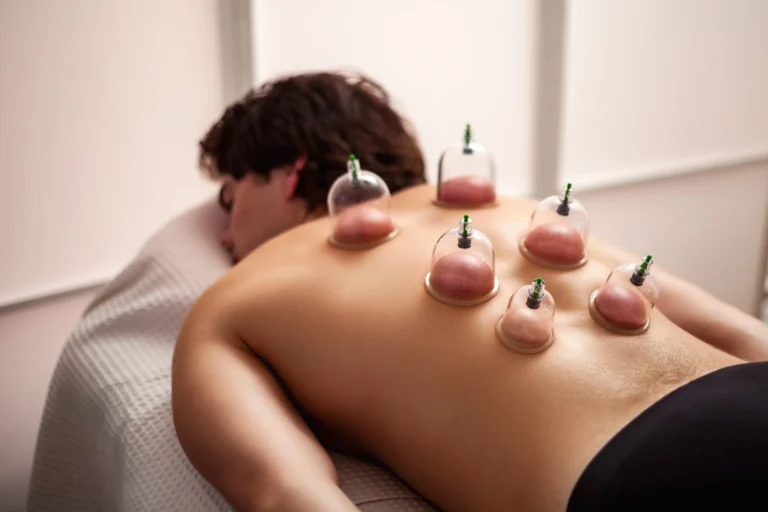
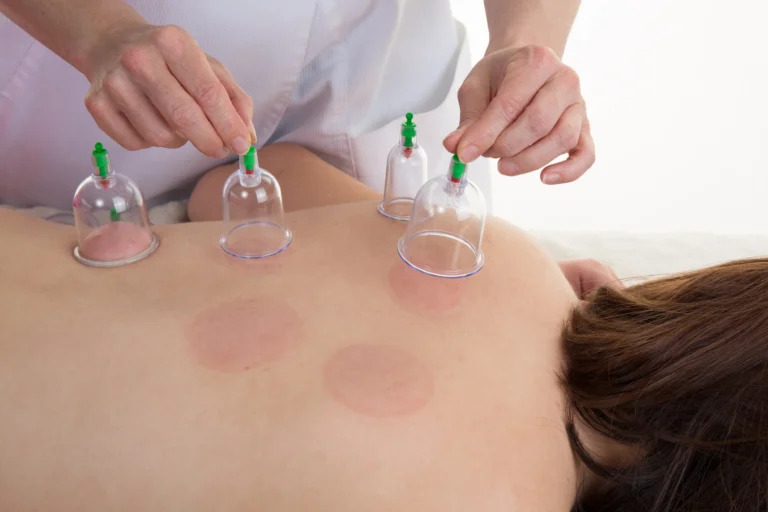
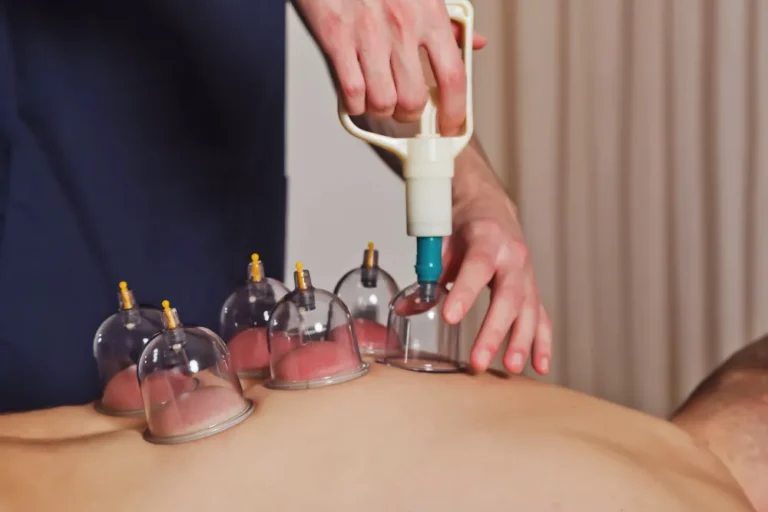
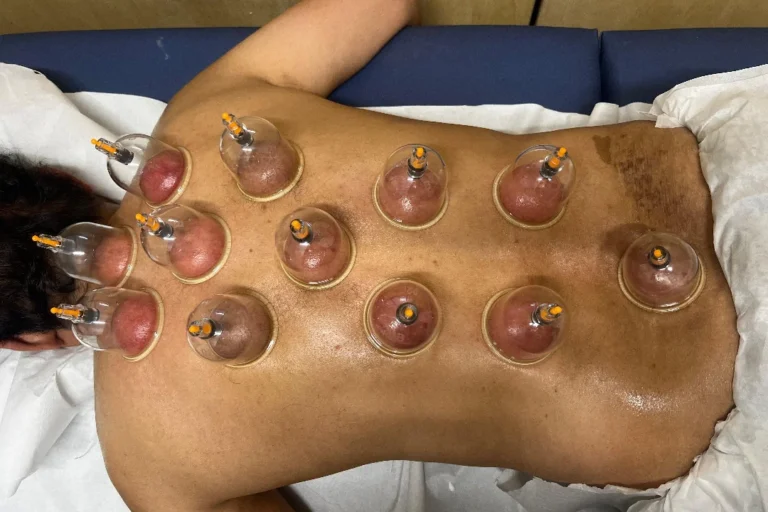
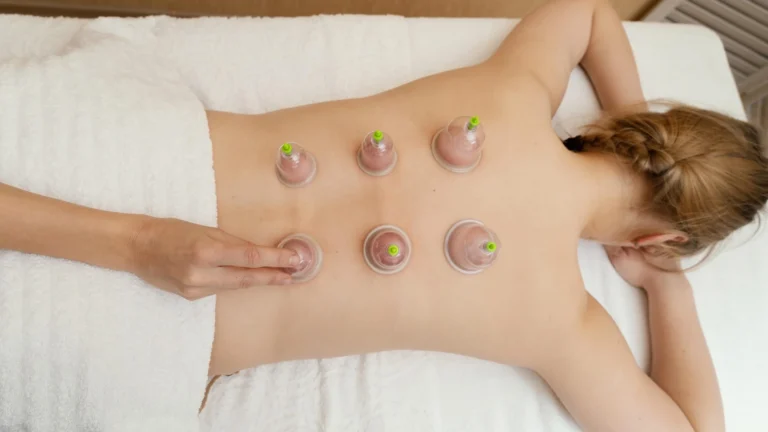
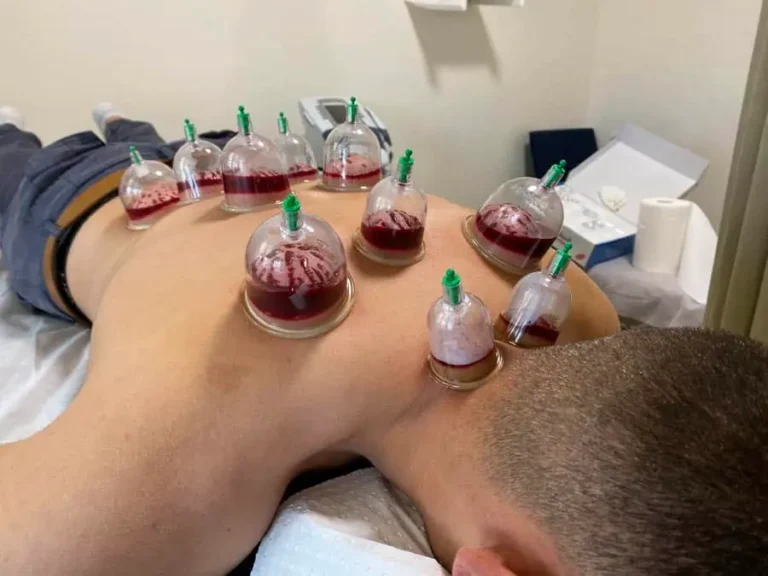
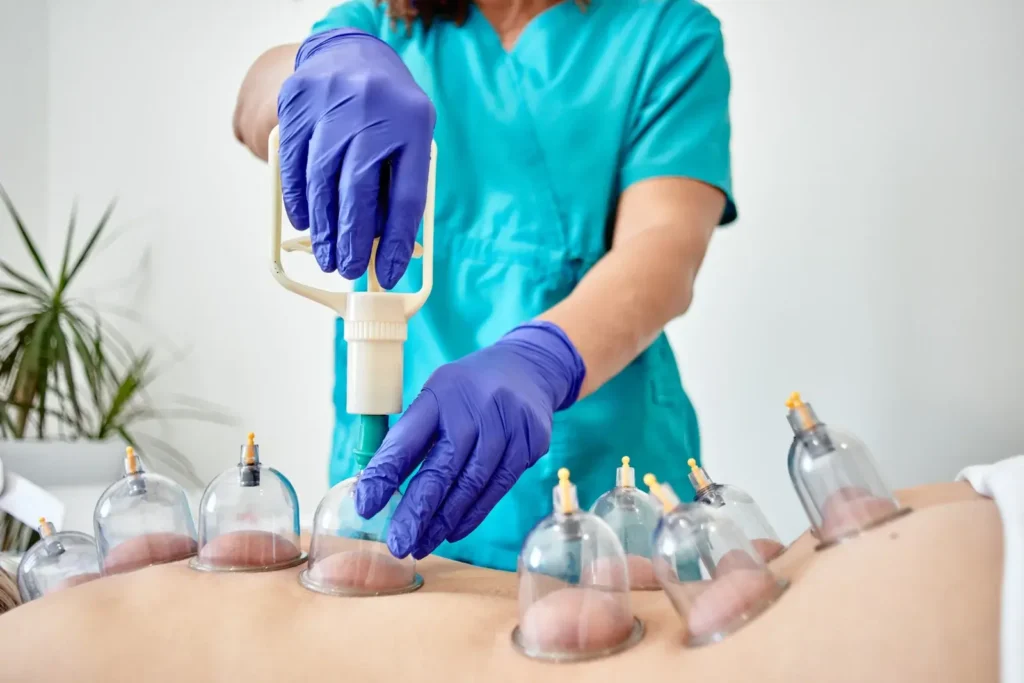
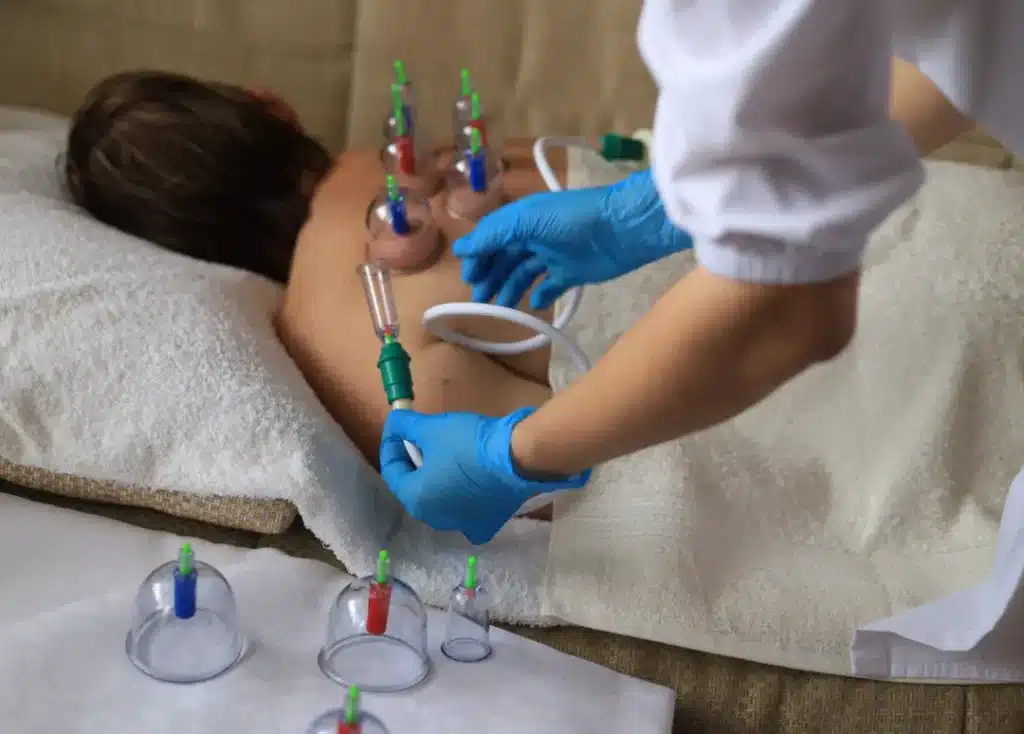
Hijama is a traditional therapeutic technique that involves placing specialized cups on the skin to create suction. In wet cupping, small superficial incisions are made to remove a small amount of blood. This method has been used historically in various cultures as a complementary therapy for improving circulation and supporting the body’s natural healing processes.
Today, Hijama therapy for muscle recovery is increasingly discussed as a supportive treatment for individuals experiencing muscle fatigue, tension, and post-exercise soreness.
When performed in a regulated clinical setting using sterile equipment, Hijama can be a safe complementary therapy for muscular discomfort and recovery.
How Physiotherapy and Hijama Complement Each Other
Combining physiotherapy and Hijama therapy for muscle recovery can provide a more comprehensive approach to rehabilitation. While physiotherapy focuses on restoring strength and mobility, Hijama may help relieve muscle tightness and support circulation.
1. Improved Muscle Recovery
Muscle strain and overuse injuries are common among athletes and individuals with physically demanding lifestyles. Physiotherapy helps rebuild strength through targeted exercises, while Hijama therapy for muscle recovery may assist in reducing muscle tension and encouraging relaxation of soft tissues.
2. Enhanced Blood Circulation
Proper circulation is essential for delivering oxygen and nutrients to injured tissues. Physiotherapy improves circulation through guided movement and rehabilitation exercises. At the same time, Hijama therapy for muscle recovery may stimulate local blood flow in targeted areas of the body.
3. Pain Management
Chronic pain conditions such as lower back pain, neck pain, and joint discomfort often require a multi-modal treatment plan. Physiotherapy addresses the mechanical causes of pain, while Hijama therapy for muscle recovery may help reduce muscular pressure and discomfort in affected areas.
4. Faster Rehabilitation After Injury
Combining rehabilitation exercises with supportive therapies may improve overall recovery outcomes. Physiotherapy restores joint function and muscle strength, while Hijama therapy for muscle recovery may support the body’s natural healing response.
Conditions That May Benefit From Combined Therapy
A combined treatment approach may help individuals dealing with:
- Sports injuries
- Muscle stiffness and fatigue
- Chronic back or neck pain
- Joint pain and limited mobility
- Post-exercise muscle recovery
- Stress-related muscular tension
A qualified healthcare professional should always assess the patient’s condition before recommending a combined therapy plan.
Importance of Professional Supervision
Both physiotherapy and Hijama should be performed by trained practitioners in a clinical setting that follows strict hygiene and safety protocols. Proper patient evaluation, sterile equipment, and professional treatment planning are essential to ensure safe and effective care.
Patients should always inform practitioners about their medical history, medications, and existing health conditions before undergoing Hijama therapy for muscle recovery or any rehabilitation treatment.
Conclusion
Combining physiotherapy with Hijama therapy for muscle recovery can provide a balanced approach to rehabilitation by addressing both movement function and muscular relaxation. When integrated responsibly within a professional healthcare setting, these therapies may help individuals improve mobility, manage pain, and support overall physical well-being.
As healthcare continues to evolve toward more integrative approaches, combining traditional therapies with modern physiotherapy offers promising opportunities for enhanced recovery outcomes.
FAQs Hijama for Enhanced Recovery Outcomes
1. Can physiotherapy and Hijama be performed together?
Yes, physiotherapy and Hijama therapy for muscle recovery can be combined when recommended by qualified healthcare professionals.
2. Is Hijama therapy helpful for muscle soreness?
Many people use Hijama therapy for muscle recovery to help relieve muscle tension and support circulation.
3. How many sessions are usually needed for recovery?
The number of sessions depends on the individual’s condition, injury severity, and rehabilitation goals.
4. Who should avoid Hijama therapy?
People with bleeding disorders, severe anemia, or certain medical conditions should consult a healthcare professional before undergoing Hijama therapy.
5. Does combining therapies improve recovery time?
In some cases, combining physiotherapy with Hijama therapy for muscle recovery may support faster rehabilitation and improved physical function.