Cardiovascular disease remains one of the leading causes of morbidity and mortality worldwide. Individuals living with diabetes, hypertension, and obesity are at significantly higher risk of developing heart-related complications. Early detection and regular monitoring are essential in preventing severe outcomes such as heart attack, stroke, and heart failure. One of the most reliable and accessible diagnostic tools used in clinical practice is the electrocardiogram (ECG).
Understanding the importance of ECG in high risk populations is crucial for reducing preventable cardiac events and improving long-term health outcomes.
At Peshawar Medical Center, patients receive comprehensive cardiac screening and monitoring services designed to support early detection and preventive care.
Understanding ECG and Its Clinical Importance
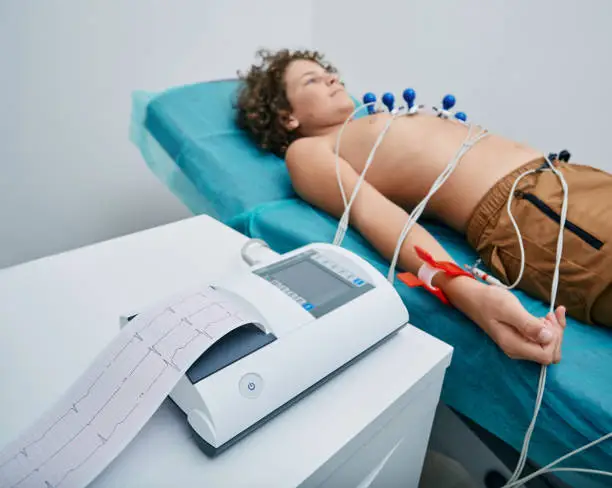
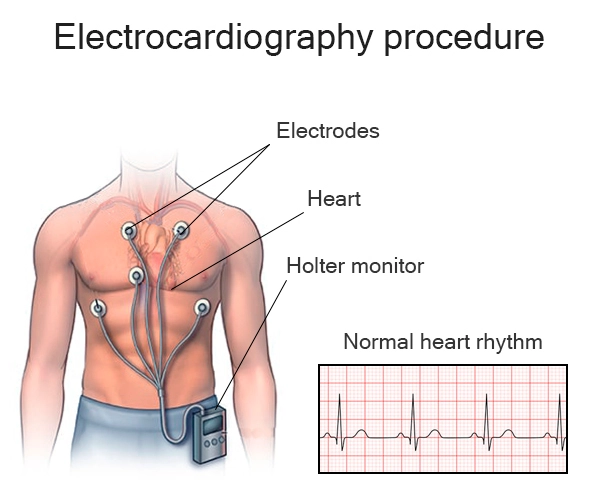
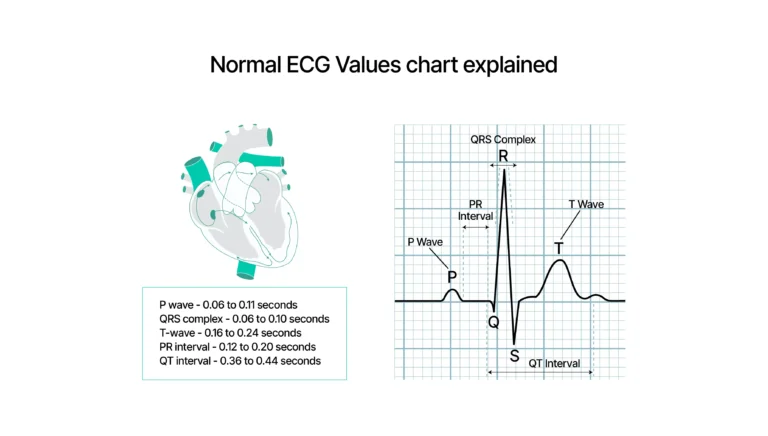
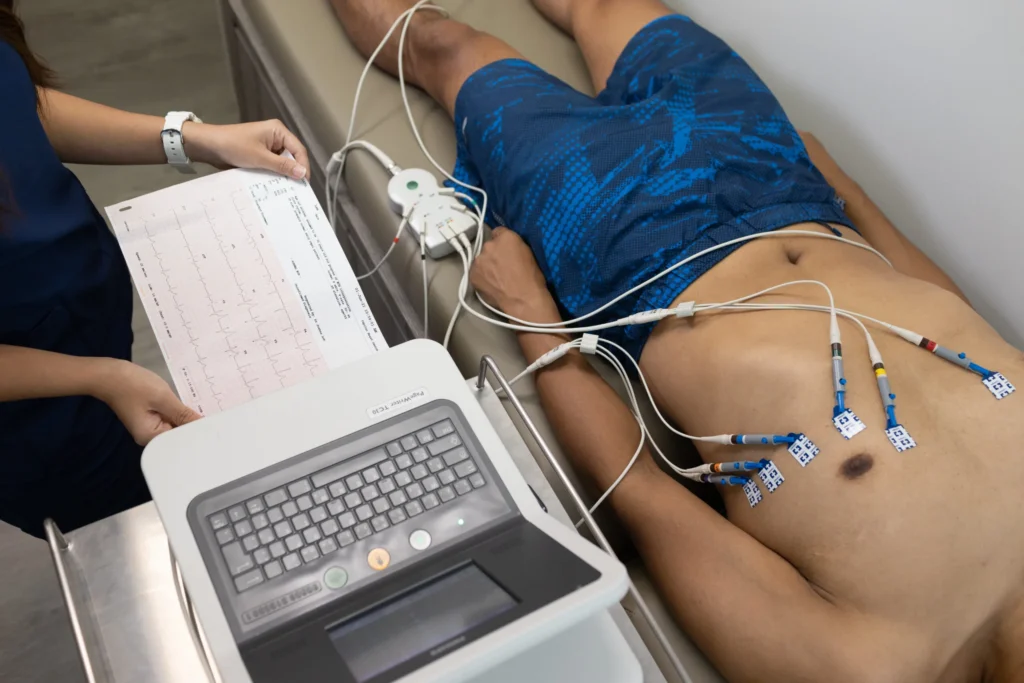
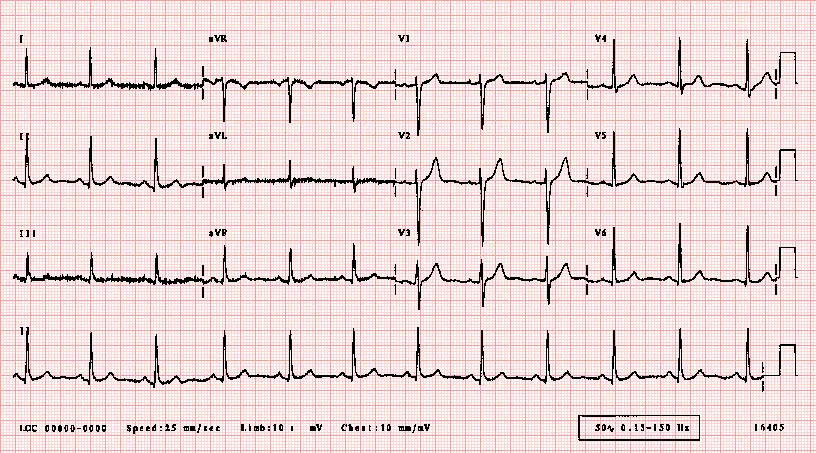
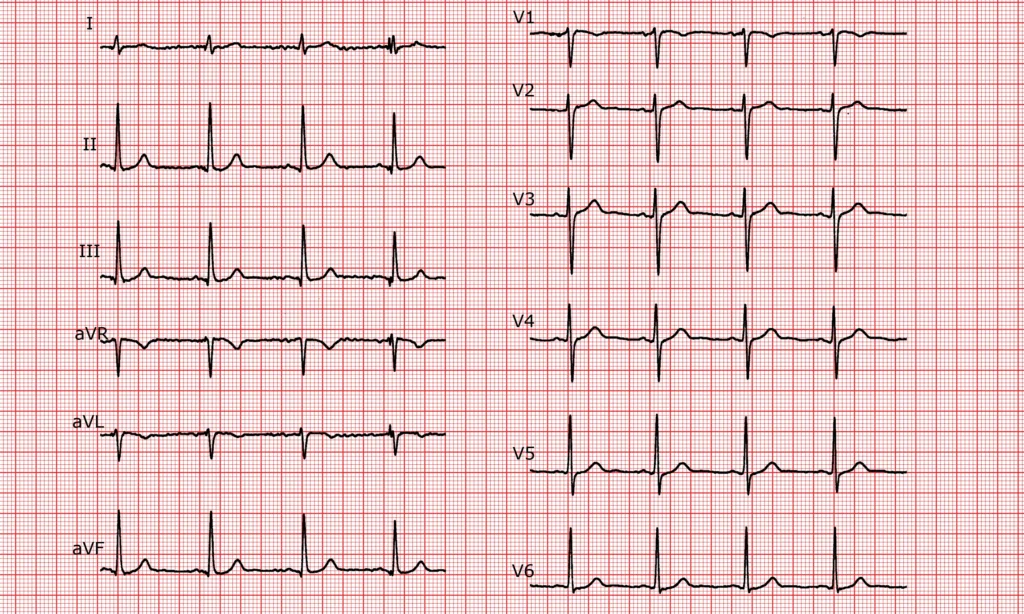
An ECG is a non-invasive test that records the electrical activity of the heart. It helps healthcare providers assess heart rhythm, detect irregularities, identify signs of heart enlargement, and evaluate potential damage to the heart muscle.
The role of ECG in high risk populations is especially important because many cardiovascular conditions develop silently before symptoms appear. Regular ECG testing allows physicians to detect early abnormalities and initiate timely treatment.
Why ECG in High Risk Populations Is Essential
1. Diabetes and Cardiac Risk
Diabetes significantly increases the likelihood of coronary artery disease. Elevated blood glucose levels can damage blood vessels and nerves that control the heart. Many individuals with diabetes may experience “silent ischemia,” where reduced blood flow to the heart occurs without noticeable chest pain.
Using ECG in high risk populations, particularly among diabetic patients, can help detect:
- Abnormal heart rhythms
- Evidence of previous silent heart attacks
- Signs of reduced blood supply to the heart
Early identification enables better management and reduces long-term complications.
2. Hypertension and Heart Strain
Hypertension forces the heart to work harder than normal. Over time, this increased workload may lead to left ventricular hypertrophy (thickening of the heart muscle), arrhythmias, and heart failure.
Routine ECG in high risk populations such as patients with long-standing high blood pressure can help identify:
- Heart muscle enlargement
- Electrical conduction abnormalities
- Early structural changes
Regular screening allows physicians to adjust medications and manage blood pressure more effectively.
3. Obesity and Cardiovascular Complications
Obesity is closely linked to metabolic syndrome, insulin resistance, and elevated cholesterol levels—all of which contribute to heart disease. Excess body weight increases strain on the heart and raises the risk of arrhythmias and structural heart changes.
Implementing ECG in high risk populations, including individuals with obesity, can reveal:
- Irregular heart rhythms
- Signs of cardiac enlargement
- Evidence of underlying ischemic changes
When combined with lifestyle modifications and medical management, routine ECG monitoring significantly improves cardiovascular outcomes.
Preventive Cardiology and ECG in High-Risk Populations
Preventive cardiology focuses on identifying and managing risk factors before serious complications arise. Integrating ECG in high risk populations into routine health evaluations provides valuable insights into cardiac function.
A comprehensive care plan often includes:
- Regular blood pressure monitoring
- Blood sugar control
- Lipid profile testing
- Weight management programs
- Periodic ECG assessments
This proactive approach reduces the likelihood of unexpected cardiac events.
When Should High Risk Individuals Get an ECG?
Healthcare providers may recommend ECG in high risk populations if patients experience:
- Chest discomfort or shortness of breath
- Palpitations or irregular heartbeat
- Dizziness or fainting episodes
- Persistent fatigue
- Long-standing diabetes or hypertension
Even without symptoms, periodic ECG screening may be advised based on age, medical history, and overall cardiovascular risk.
The Importance of Early Detection
Cardiovascular disease often develops gradually. In high-risk populations, subtle electrical or structural heart changes can occur before major events like heart attacks.
The consistent use of ECG in high risk populations allows for:
- Medication adjustments
- Lifestyle interventions
- Specialist referrals
- Continuous monitoring
Preventive cardiology is not just about treatment—it is about reducing risk before complications develop.
Conclusion
Diabetes, hypertension, and obesity significantly increase the risk of cardiovascular complications. The role of ECG in high risk populations is vital for early detection, timely intervention, and improved long-term heart health.
By prioritizing preventive screening and maintaining close medical follow-up, high-risk individuals can significantly reduce their chances of serious cardiac events. Clinics such as Peshawar Medical Center offer structured evaluation programs to support patients in managing cardiovascular risk through early diagnosis and professional medical care.
FAQs About ECG
1. Why is ECG in high risk populations important?
ECG in high-risk populations is important because individuals with diabetes, hypertension, or obesity have a higher chance of developing heart disease. Regular ECG testing helps detect early abnormalities, irregular heart rhythms, or silent heart damage before serious complications occur.
2. How often should ECG in high-risk populations be performed?
The frequency of ECG in high-risk populations depends on individual risk factors, age, and medical history. Many physicians recommend annual or periodic ECG screening for patients with long-standing diabetes, uncontrolled hypertension, or obesity.
3. Can ECG in high risk populations detect silent heart problems?
Yes, ECG in high-risk populations can identify silent ischemia, previous unnoticed heart attacks, abnormal heart rhythms, and early structural heart changes—even when patients have no obvious symptoms.
4. Is ECG in high risk populations a safe procedure?
Yes, ECG is a completely safe, painless, and non-invasive test. It involves placing small electrodes on the skin to measure the heart’s electrical activity and typically takes only 5–10 minutes.
5. Who qualifies as high risk for cardiac screening?
Individuals with diabetes, high blood pressure, obesity, high cholesterol, a family history of heart disease, or a sedentary lifestyle are considered high-risk. These patients benefit greatly from routine ECG in high-risk populations as part of preventive cardiac care.