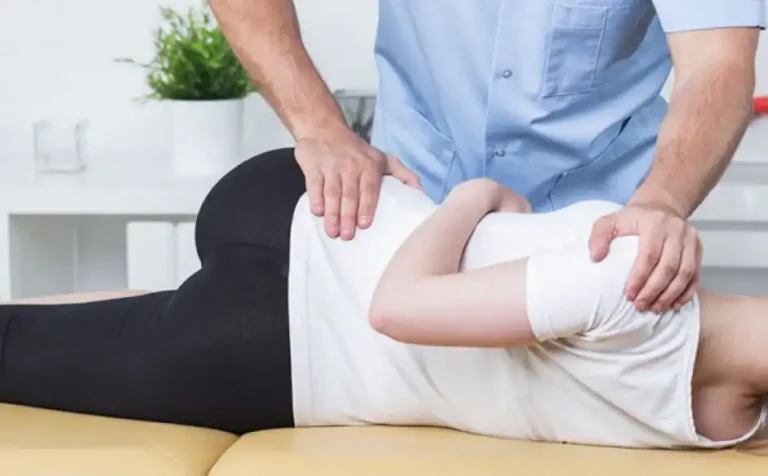
Knee pain is a problem that affects people of all ages. It does not matter if you are an athlete or someone who works in an office or if you are older or recovering from an injury.knee pain treatment at home can make things, like walking or climbing stairs really tough. It can even make exercising or standing for a time very difficult.
Some people try to deal with knee pain at home before they go see a doctor. They might try some home remedies to make their knee feel a little better. These remedies can help for a while. If the knee pain does not go away or is very bad you should go see a doctor. You should always see a doctor who knows what they are doing when it comes to knee pain.
At Peshawar Medical Center Dubai our doctors and physiotherapists are very good at helping people with knee pain. They help people who have hurt their knee or who have arthritis or who have used their knee much or who have hurt their ligament or who have knee pain because they are getting older. Our goal is to figure out what is causing the knee pain and make a plan to help people feel better and move around easily. In this guide you will learn about what causes knee pain what the symptoms are, how to diagnose it what treatment options are available and when you should go see a doctor, about your knee pain.
What Is Knee Pain?
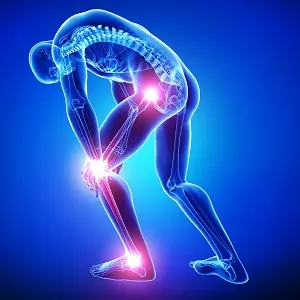
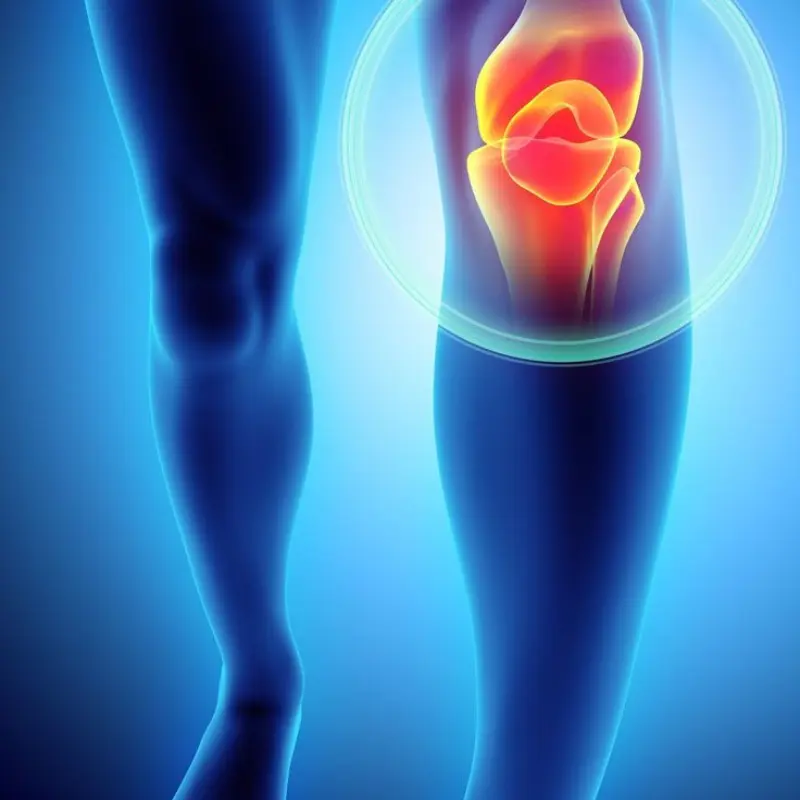
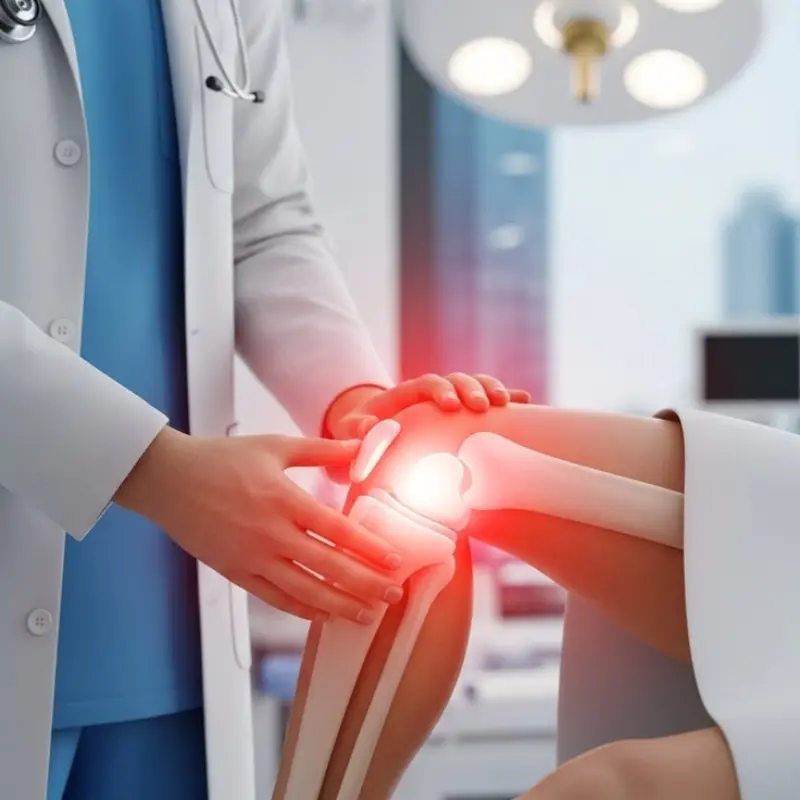
Knee pain is when you feel discomfort in or around your knee joint. This can happen all of sudden if you get hurt or it can come on slowly over time because you are putting a lot of stress on your knee or you have arthritis or some other medical problem.
Your knee is an complicated joint in your body. It helps hold you up when you are standing. It lets you do things like walk, run, jump bend your legs and climb up and down stairs. Because your knee is working all the time it can get hurt easily. Develop problems that last a long time.
Knee pain can be in parts of your knee like:
- The front of the knee
- The inner knee
- The outer knee
- The back of the knee
- Below the kneecap
- The whole knee joint
The pain can be mild like when you feel a little sore or it can be really bad and make it hard to move your knee. Knee pain is something that can affect the knee joint and it can be a problem, with the knee itself. Knee pain can be very uncomfortable. It can limit what you can do with your knee.
Common Knee Pain Causes
Understanding knee pain causes is essential for choosing the right treatment. Some conditions improve with rest, while others require medical intervention.
1.Osteoarthritis
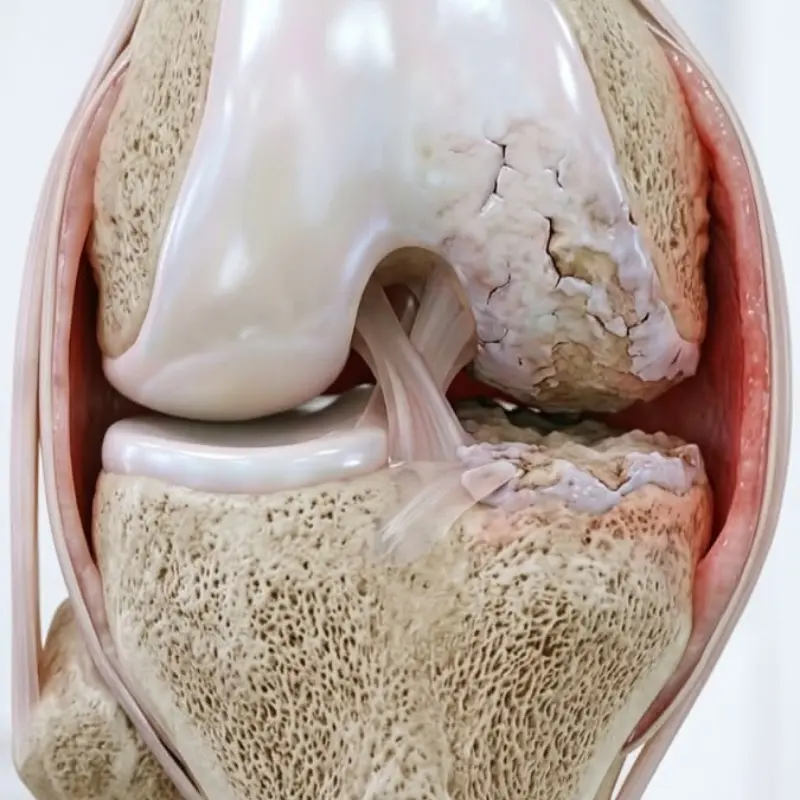
Osteoarthritis is the most common cause of chronic knee pain, especially in adults over 50. It occurs when the cartilage cushioning the joint gradually wears away, leading to pain, stiffness, swelling, and reduced mobility.
2.Sports Injuries
Athletes and active individuals frequently experience knee injuries such as:
- ACL tears
- Meniscus injuries
- Ligament sprains
- Tendon injuries
These injuries often cause sudden pain, swelling, and instability.
3.Overuse Injuries
Repeated activities like running, jumping, cycling, or climbing stairs can strain the knee joint, resulting in inflammation and pain.
4.Bursitis
Inflammation of the fluid-filled sacs (bursae) around the knee may cause tenderness and swelling.
5.Tendinitis
Patellar tendinitis, commonly known as “jumper’s knee,” affects the tendon connecting the kneecap to the shinbone.
6.Rheumatoid Arthritis
Unlike osteoarthritis, rheumatoid arthritis is an autoimmune disease that attacks the joints, causing pain, swelling, and stiffness.
7. Obesity
Excess body weight places additional stress on the knee joint, increasing the risk of arthritis and chronic knee pain.
Understanding Knee Joint Pain
Knee joint pain is something that can happen to anyone no matter how old they are. It can be caused by something like an injury. It could be because of inflammation, infection or diseases that get worse over time.
Some common things that people with knee pain might experience include:
- Swelling
- The area, around the knee joint feeling warm
- Having a time walking
- Not being able to move the knee much
- Hearing clicking or popping sounds when the knee moves
- The knee feeling stiff
- Feeling pain when standing up
Sometimes knee joint pain can get worse after sitting for a time or when you are being active.
Knee joint pain is a problem that needs to be taken care of if it does not go after a few days or if it is stopping you from doing the things you need to do every day. It is an idea to go see a doctor if knee joint pain is still bothering you.
Knee Pain When Bending: Why Does It Hurt?
Experiencing knee pain when bending is something many people have to deal with no matter how old they are.
The pain can happen when you squat, kneel climb stairs sit down or stand up.
It can be a little uncomfortable or really painful which can stop you from doing things you normally do.
Some common reasons why you might have knee pain when bending are:
- Cartilage damage
- Meniscus tear
- Patellofemoral Pain Syndrome also called Runners Knee
- Tendinitis
- Osteoarthritis
- Ligament injuries
- Muscle weakness, around the knee
You might have these symptoms:
- Sharp pain when you bend
- Clicking or popping sounds
- Swelling
- Stiffness
- Trouble straightening your knee
- Feeling like your knee might “give way”
If your knee pain does not go away after a days or gets worse you should see a doctor.They can figure out whats causing the pain and help prevent injury to your knee.
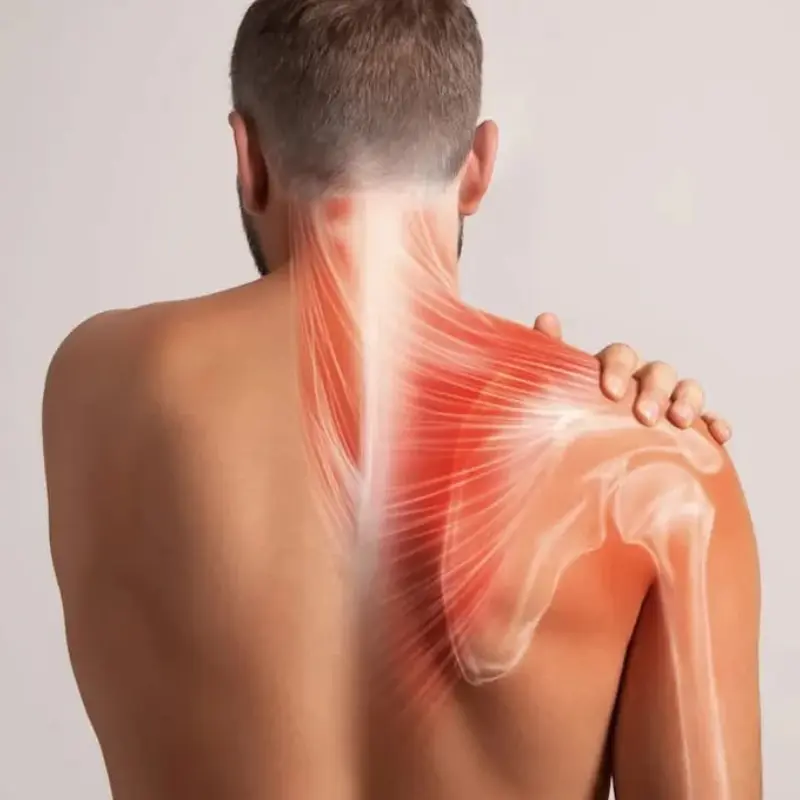
Back of Knee Pain: What Could It Mean?
Back of knee pain can develop due to injuries, inflammation, or underlying medical conditions. Some people notice discomfort only during physical activity, while others experience pain even at rest.
Common causes include:
Baker’s Cyst
A fluid-filled swelling behind the knee that often develops because of arthritis or cartilage injuries.
Hamstring Tendon Injury
Overstretching or tearing of the hamstring muscles can lead to pain behind the knee, especially after sports or exercise.
Ligament Injuries
Damage to the posterior cruciate ligament (PCL) or other knee ligaments may cause pain, instability, and swelling.
Deep Vein Problems
In rare cases, pain behind the knee may be related to blood circulation issues that require immediate medical attention.
If you experience severe swelling, redness, warmth, or sudden intense pain behind the knee, seek emergency medical care promptly.
Pain Below Knee Common Causes
Pain below my knee often hurts around the shinbone and patellar tendon area. It makes walking, running and climbing stairs really tough.
Some possible causes are:
- tendonitis, also known as Jumpers Knee
- Osgood-Schlatter Disease, which is common in teenagers
- Stress fractures
- Shin splints
- Inflammation of the tissues around my knee
My symptoms might include:
- Tenderness below the kneecap
- Swelling
- Pain when I jump or run
- Difficulty kneeling
- Weakness, in my leg thats affected
Getting treatment can really help prevent long-term problems and improve my recovery.
Knee Pain Treatment at Home
Many people with mild to moderate knee discomfort can benefit from knee pain treatment at home, especially if the pain is caused by overuse, minor sprains, or muscle strain. However, home treatment is not a substitute for professional medical care if symptoms are severe or persistent.
1.Rest Your Knee
Avoid activities that worsen your pain, such as running, jumping, or lifting heavy objects. Allowing your knee to rest helps reduce inflammation and supports the healing process.
2.Apply Ice Therapy
Place an ice pack on your knee for 15 to 20 minutes. Do this every 3 to 4 hours. This is, for the 2 days after you get hurt.
The ice will help reduce swelling. It will also help with inflammation and pain.
Use a cloth to wrap the ice pack. This protects your skin.
3. Compression
Using a compression bandage or knee support can help reduce swelling and provide additional stability while walking or performing light activities.
Ensure the bandage is snug but not so tight that it restricts blood circulation.
4.Elevate Your Leg
Raise your leg above heart level whenever possible to help reduce swelling and improve circulation.
5.Maintain a Healthy Weight
Excess body weight increases pressure on the knee joints. Losing even a small amount of weight can significantly reduce knee pain and improve mobility.
6. Gentle Stretching
Regular stretching keeps muscles flexible and reduces stiffness around the knee joint.
Focus on stretching the:
- Quadriceps
- Hamstrings
- Calf muscles
- Hip flexors
Stretch gently without forcing the movement if it causes pain.
7. Warm Compress
Once the initial swelling has subsided, applying a warm compress may help relax tight muscles and improve blood circulation.
8. Stay Active
Complete bed rest is generally not recommended. Light walking and gentle movement help maintain joint flexibility and prevent stiffness.
Exercises for Knee Pain
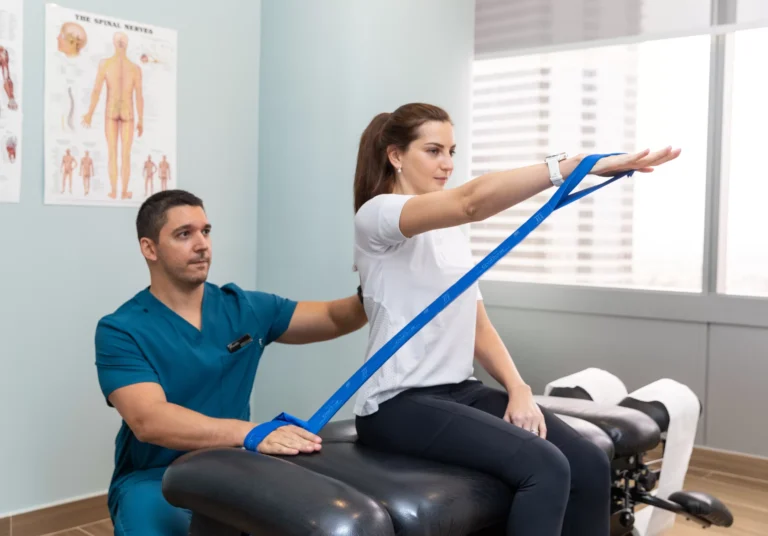
Performing the right exercises for knee pain can strengthen the muscles around the knee, improve flexibility, and reduce discomfort. Always consult a healthcare professional or physiotherapist before starting a new exercise program, especially if you have a significant injury.
Straight Leg Raises
This exercise strengthens the quadriceps without putting excessive stress on the knee joint.
Heel Slides
Heel slides improve flexibility and increase the knee’s range of motion.
Hamstring Stretch
Stretching the hamstrings helps reduce tension behind the knee and improves overall leg mobility.
Calf Stretch
Flexible calf muscles support proper knee movement and reduce strain during walking.
Mini Squats
Gentle mini squats strengthen the thigh muscles while improving knee stability. Avoid deep squats if they increase pain.
Step-Ups
Stepping onto a low platform helps build strength in the legs and enhances balance.
Stop exercising immediately if you experience severe pain, swelling, or instability.
Knee Support: Does It Help?
A knee support or knee brace can help you feel more stable ease the pressure on your knee joint and give you confidence when you’re doing everyday things. People often use knee braces when they’re getting over injuries or dealing with mild arthritis.
Some benefits of using a knee support are:
- Improved stability, for your knee joint
- Less swelling in your knee
- Better alignment when you move around
- More comfort when you’re walking
- Extra protection when you’re exercising
You shouldn’t just wear a knee brace and expect everything to be okay. You still need to do exercises to strengthen your knee and get treatment from a professional. If you want to get better for good you need to figure out whats causing your knee pain and fix that.
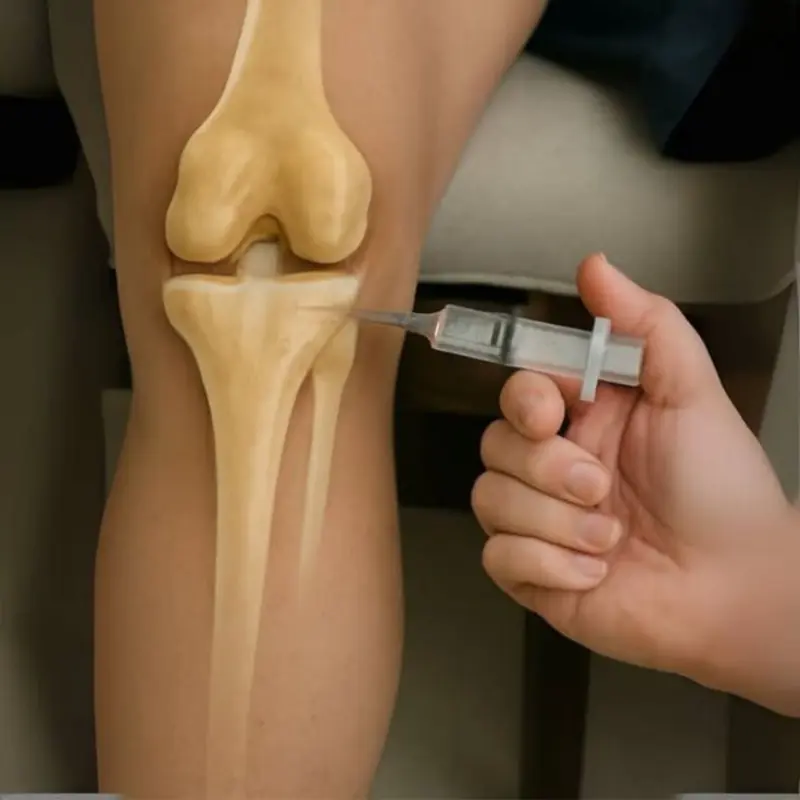
When Should You Visit a Doctor?
When you are at home taking care of your knee can be good for problems.. Sometimes you need to see a doctor right away because of certain symptoms.
You should go to the doctor if you have knee pain that’s very bad or does not go away.
You should also go to the doctor if you cannot put weight on the leg that hurts.
Other reasons to go to the doctor include bad swelling or redness having a fever when your knee hurts or if your knee looks different after you got hurt.
You should also go to the doctor if your knee gets stuck or catches when you move it or if your knee feels unstable a lot.
If you have knee pain that lasts than one week even when you take care of it at home you should go to the doctor.
You should also go to the doctor if it is hard for you to walk or climb stairs.
At Peshawar Medical Center Dubai, the doctors and physiotherapists are very experienced. They use checks and the latest tools to find out why you have knee pain.
They make a plan just for you to help you get better.
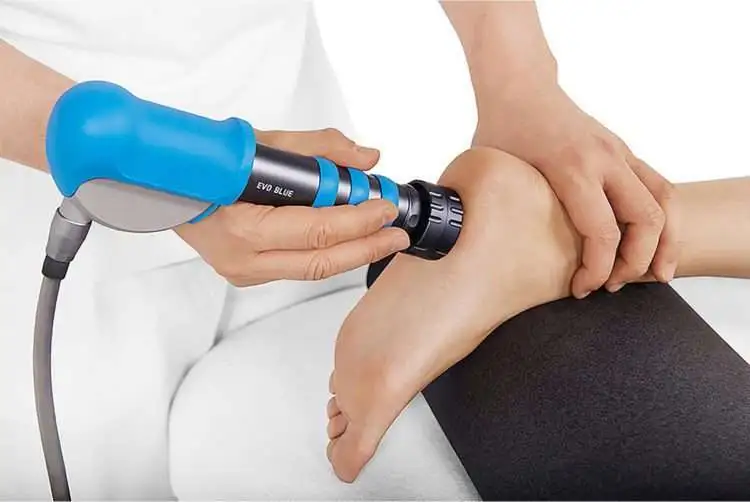
This plan may include physiotherapy, medicine exercises to help you get stronger advice on how to live a life and referrals to orthopedic specialists if you need them.
The doctors and physiotherapists at Peshawar Medical Center Dubai create these plans to help you with your knee pain.
They want to help you get better. They use knee pain treatment to do that.
Knee pain treatment at Peshawar Medical Center Dubai is done by the doctors and physiotherapists who’re very good, at their jobs.
Professional Knee Pain Treatment at Peshawar Medical Center Dubai
Knee pain is something that can be helped at home when it is not so bad.. If the pain is really bad or it just will not go away or it is making your life difficult then you need to see a doctor.
At Peshawar Medical Center Dubai we have a team of people who’re very good at helping people with knee pain. They will look at what’s going on with your knee and make a plan that is just for you. We help people who hurt their knee or who have arthritis or who got hurt playing sports or who just used their knee much or who have problems, with their joints that will not go away.
What we want to do is not make the pain go away but also help you move around easily again make your knee work better and stop you from getting hurt again.
Knee pain can affect people of all ages and significantly impact daily activities, mobility, and overall quality of life. Whether your symptoms are caused by an injury, arthritis, overuse, or an underlying medical condition, understanding the knee pain causes and seeking timely care can help prevent long-term complications. While knee pain treatment at home—including rest, ice therapy, gentle stretching, and appropriate knee support—may provide relief for mild cases, persistent pain should always be evaluated by a healthcare professional.
Conclusion
At Peshawar Medical Center Dubai, our experienced doctors and physiotherapists provide comprehensive diagnosis and personalized treatment for knee joint pain, knee pain when bending, back of knee pain, and pain below knee. From advanced diagnostic evaluations to physiotherapy and rehabilitation, we are committed to helping you regain strength, improve mobility, and return to your daily activities with confidence.
If you’re searching for trusted and compassionate knee pain treatment in Dubai, book your consultation with Peshawar Medical Center Dubai today. Early diagnosis and the right treatment plan can make all the difference in achieving long-term knee health and an active, pain-freelifestyle.
Frequently Asked Questions (FAQs)
1. What is the best knee pain treatment at home?
The best knee pain treatment at home includes rest, ice therapy, gentle stretching, compression, elevation, maintaining a healthy weight, and performing doctor-approved strengthening exercises.
2. What are the most common knee pain causes?
Common knee pain causes include arthritis, ligament injuries, meniscus tears, sports injuries, obesity, overuse, bursitis, and tendon inflammation.
3. Can physiotherapy help knee pain?
Yes. Physiotherapy is one of the most effective treatments for improving strength, flexibility, mobility, and reducing chronic knee pain without surgery.
4. When should I visit a doctor for knee pain?
You should seek medical attention if your knee pain lasts more than a week, prevents walking, causes severe swelling, follows an injury, or is accompanied by fever, redness, or joint instability.
5. Can knee pain be prevented?
Yes. Maintaining a healthy lifestyle, exercising regularly, strengthening leg muscles, wearing supportive footwear, and avoiding excessive strain can significantly reduce the risk of knee pain.
6. Is knee support helpful?
A knee support or brace can improve stability and comfort for some conditions, but it should be used alongside appropriate exercises and medical advice rather than as the only treatment.
7. Does every knee injury require surgery?
No. Most knee problems improve with conservative treatments such as physiotherapy, medication, lifestyle changes, and rehabilitation. Surgery is considered only when necessary.