Hypertension Symptoms Early Warning Signs, Causes, Treatment
At Peshawar Medical Center, we understand the importance of early detection and effective management of high blood pressure. Hypertension, commonly known as high blood pressure, affects millions of people worldwide and often develops without noticeable symptoms. Because it can silently damage the heart, kidneys, brain, and blood vessels, hypertension is often called the “silent killer.”
Our experienced healthcare professionals provide comprehensive screening, diagnosis, and treatment services to help patients manage their blood pressure and reduce the risk of serious health complications.
What Is Hypertension?
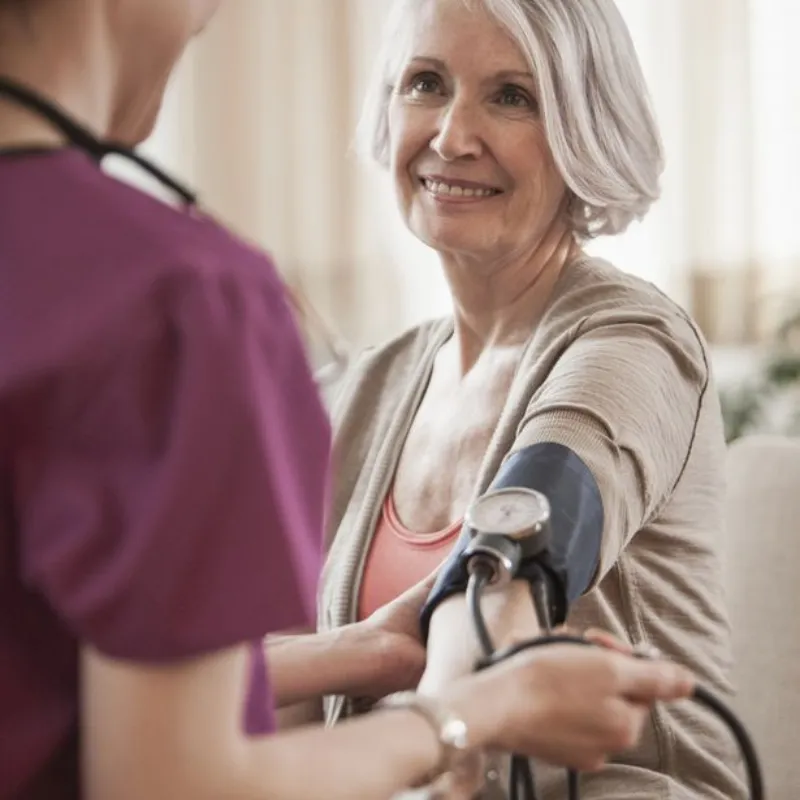
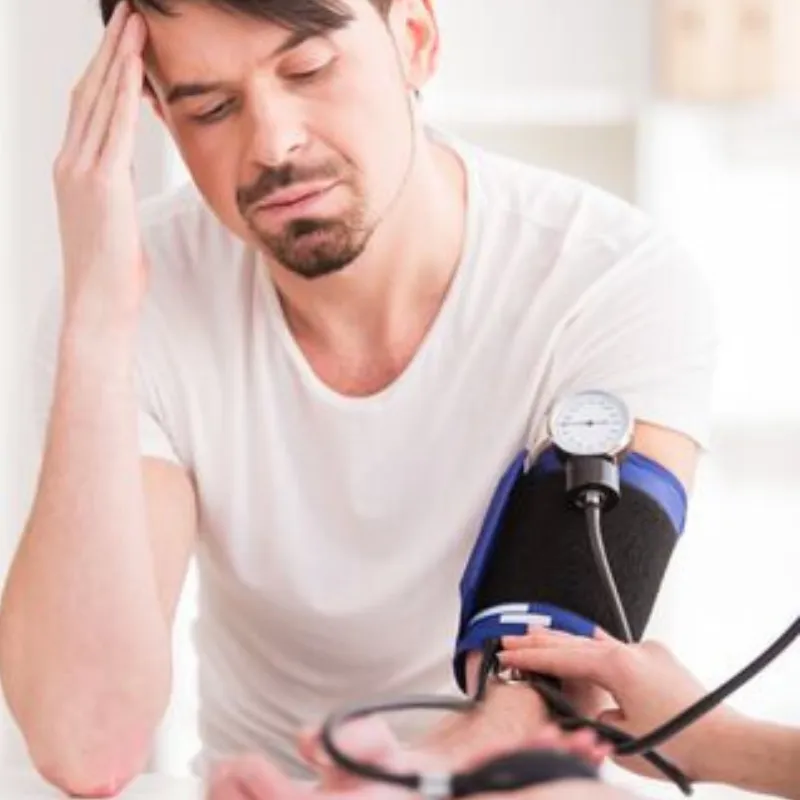
Hypertension happens when the blood pushes hard against the walls of your arteries. Over time this can hurt your blood vessels and the important parts of your body.
There are two numbers that are used to measure blood pressure:
1. Systolic pressure
The pressure when your heart beats is called systolic pressure.
2. Diastolic pressure
The pressure when your heart is resting between beats is called diastolic pressure.
If your blood pressure is 140/90 mmHg or higher it is usually considered hypertension.. Your doctor may want to treat you even if your blood pressure is lower than that depending on your other health risks.
Common Hypertension Symptoms
A lot of people with blood pressure do not feel any symptoms.. If their blood pressure gets very high they may start to feel some symptoms.
1.Severe Headaches
One of the common symptoms of hypertension is a bad headache. This kind of headache is often described as a throbbing or pulsating pain in the back of the head.
2.Dizziness
Feeling lightheaded or dizzy can be a sign that your blood pressure’s too high especially if you stand up too fast.
4.Shortness of Breath
Difficulty breathing or becoming easily winded during routine activities may be associated with uncontrolled hypertension.
5.Chest Pain
If you have chest pain you should always talk to your doctor because it could be a sign of a heart problem.
6.Blurred Vision
High blood pressure can affect blood vessels in the eyes, leading to blurred or impaired vision.
7.Fatigue and Weakness
If you feel tired all the time it could be because hypertension is affecting your heart and circulation.
Signs and Symptoms of Hypertension You Should Never Ignore
The symptoms of hypertension can be different for people. You should talk to your doctor if you have:
- headaches
- Nosebleeds
- Chest pain
- Irregular heartbeat
- Shortness of breath
- Vision changes
- Confusion
- Dizziness
- Fatigue
If you ignore these symptoms you could be at risk for health problems.
Essential Hypertension The Most Common Type
The common type of hypertension is called essential hypertension. It happens slowly over years and there is no clear reason why it happens.
Some things that can increase your risk of hypertension are:
- Getting older
- Being overweight
- Smoking
- Eating much salt
- Not exercising enough
- Being stressed all the time
Common Causes of Hypertension in ICU Patients
In the ICU some common causes of hypertension are:
- pain
- Anxiety
- Certain medicines
- Kidney problems
- Neurological problems
- Hormonal imbalances
Patients in the ICU need to be watched because uncontrolled blood pressure can make their other health problems worse.
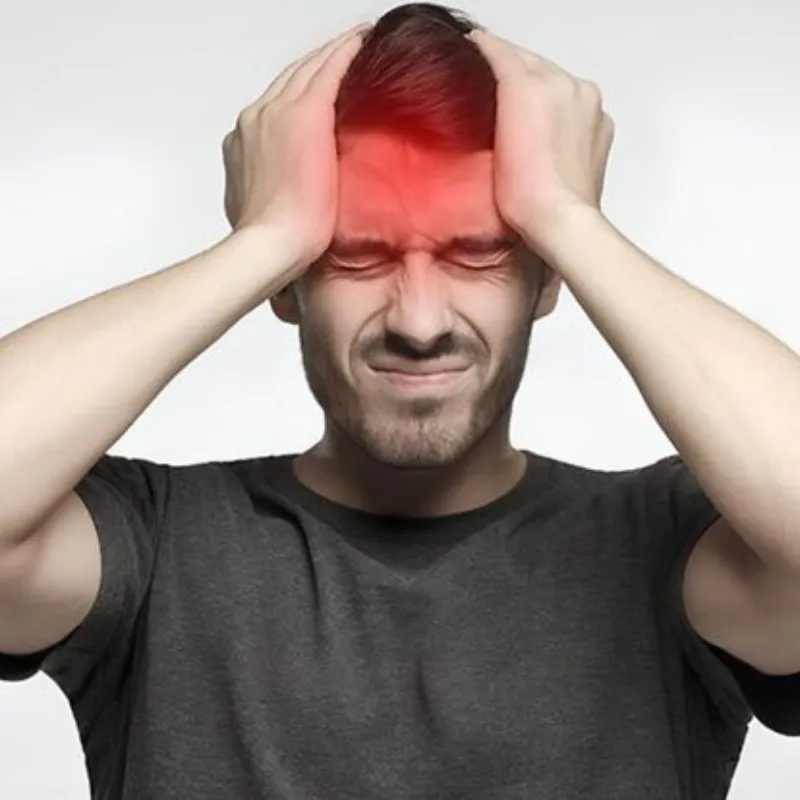
What Is a Hypertension Headache?
A hypertension headache usually happens when your blood pressure gets very high. The symptoms can include:
- A throbbing pain
- Feeling pressure in your head
- Nausea
- vision
- Dizziness
If you have a headache with chest pain, confusion or trouble breathing you should get medical help right away.
Pulmonary Hypertension Symptoms
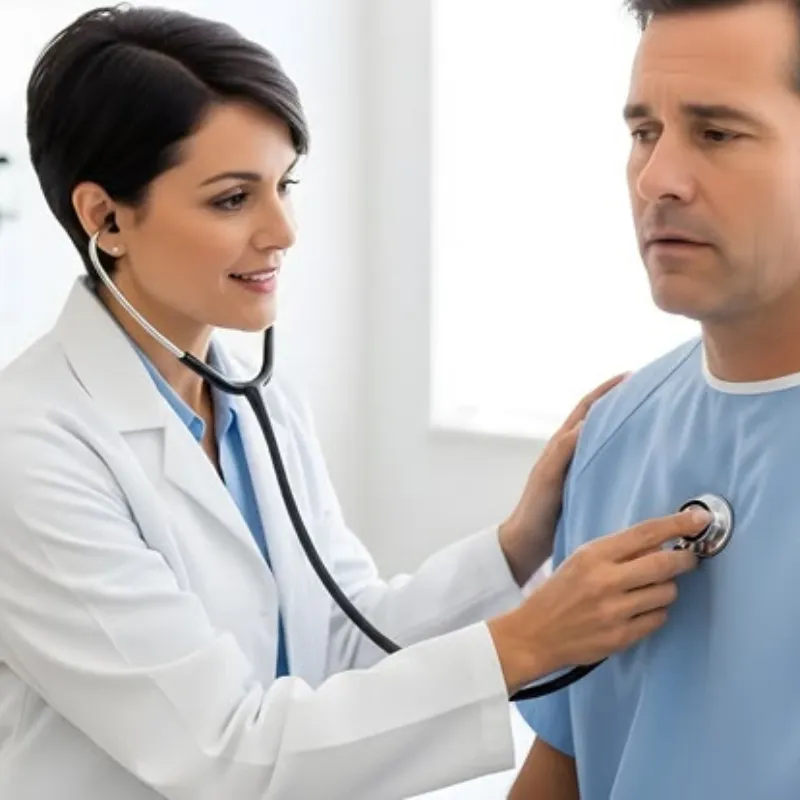
Pulmonary hypertension is a condition that affects the arteries in your lungs and the right side of your heart.
Some common symptoms are:
- Shortness of breath
- Fatigue
- Chest pain
- Fast heartbeat
- Dizziness
- First Aid for Hypertension
Swelling in your ankles and legs
If you do not get treatment, pulmonary hypertension can get worse. Affect your quality of life.
Portal Hypertension Symptoms
Portal hypertension is when the blood pressure in the veins that carry blood from your organs to your liver gets too high.
Some common symptoms are:
- Swelling in your belly
- Enlarged spleen
- Bleeding in your tract
- Fluid building up in your belly
- Fatigue
Portal hypertension is often related to liver disease and needs special medical care.
Benign Intracranial Hypertension
Benign intracranial hypertension is when the pressure inside your skull gets too high without a reason.
Some symptoms can include:
- * headaches
- * Blurred vision
- * Double vision
- * Ringing in your ears
- * Nausea
It is important to get diagnosed to prevent long-term vision problems.
Hypertension Urgency When Blood Pressure Becomes Dangerous
Hypertension urgency is when your blood pressure gets very high above 180/120 mmHg without causing immediate damage to your organs.
Some symptoms can include:
- headache
- Anxiety
- Nosebleeds
- Shortness of breath
Even though it may not cause damage hypertension urgency needs to be checked by a doctor right away to prevent it from getting worse.
First Aid for Hypertension
Knowing what to do in case of a hypertension emergency can help prevent complications while you wait for help.
Steps to Follow
- 1. Stay calm. Sit down.
- 2. Breathe slowly and deeply.
- 3. Do not exercise.
- 4. Check your blood pressure if you can.
- 5. Take your medicine as directed.
- 6. Get emergency help if your symptoms get worse.
Call for emergency help if you have chest pain, a headache, confusion or trouble breathing.
Hypertension Treatment Options
The best way to treat hypertension depends on how bad it’s what other health risks you have.
Lifestyle Changes
Doctors often recommend:
- Eating salt
- Exercising regularly
- Maintaining a weight
- Limiting alcohol
- Quitting smoking
- Managing stress
When Should You See a Doctor?
You should see a doctor if you have:
- Persistent headaches
- High blood pressure readings
- Chest pain
- Vision changes
- Shortness of breath
- Dizziness
Getting your blood pressure checked regularly is one of the ways to catch hypertension before it causes problems.
Hypertension Diagnosis and Care at Peshawar Medical Center
At Peshawar Medical Center, we offer comprehensive hypertension screening and management services tailored to each patient’s needs. Our medical team evaluates blood pressure levels, risk factors, lifestyle habits, and overall cardiovascular health to develop personalized treatment plans.
Our hypertension-related services include:
- Blood pressure monitoring
- Comprehensive health assessments
- Cardiac risk evaluation
- Laboratory testing
- Lifestyle counseling
- Medication management
- Preventive health screenings
- Follow-up care for chronic conditions
Early diagnosis and ongoing monitoring play a crucial role in preventing complications associated with high blood pressure.
Conclusion
Recognizing hypertension symptoms and seeking timely medical care can help prevent serious complications such as heart disease, stroke, kidney disease, and vision loss. Whether you are experiencing symptoms, have a family history of high blood pressure, or simply want to monitor your cardiovascular health, early screening is essential.
At Peshawar Medical Center, we are committed to providing high-quality healthcare services, including hypertension screening, diagnosis, treatment, and preventive care. Our experienced medical team is dedicated to helping patients manage high blood pressure and maintain long-term heart health.
If you are concerned about hypertension symptoms or would like to schedule a health assessment, contact Peshawar Medical Center today for professional medical guidance and personalized care.
Frequently Asked Question FAQs
What are the early symptoms of hypertension?
Early symptoms may include headaches, dizziness, fatigue, and blurred vision, although many people experience no symptoms.
Can hypertension cause headaches?
Yes. A hypertension headache may occur when blood pressure becomes dangerously high.
What is the best treatment for hypertension?
Treatment often includes lifestyle changes, hypertension medications, and regular monitoring.
What is hypertension urgency?
Hypertension urgency is a severe elevation in blood pressure that requires prompt medical evaluation to prevent complications.
What are pulmonary hypertension symptoms?
Common symptoms include shortness of breath, fatigue, chest pain, dizziness, and swelling in the legs.
What is the ICD 10 code for essential hypertension?
The ICD 10 code for essential hypertension is I10.