Healthcare is rapidly evolving with the rise of digital technology, and one of the most significant innovations is the virtual GP consultation. This modern healthcare solution allows patients to connect with qualified General Practitioners (GPs) remotely using video calls, phone calls, or secure online platforms.
In cities with fast-paced lifestyles and high demand for accessible healthcare, virtual GP consultations have become an essential part of the medical system. They offer convenience, efficiency, and safety while maintaining high clinical standards.
This article from Peshawar Medical Center provides a detailed overview of how virtual GP consultation works, its benefits, limitations, applications, and its future in modern healthcare.
What Is a Virtual GP Consultation?
A virtual GP consultation is a remote medical appointment where a patient interacts with a licensed General Practitioner without physically visiting a clinic.
Instead of sitting in a waiting room, patients communicate through:
- Video calls
- Telephone calls
- Secure messaging systems
- Healthcare mobile applications
During the consultation, the GP can:
- Assess symptoms
- Provide medical advice
- Recommend treatments
- Prescribe medications (when appropriate)
- Refer patients for further tests or in-person care
This approach replicates most aspects of an in-clinic visit, except physical examination.
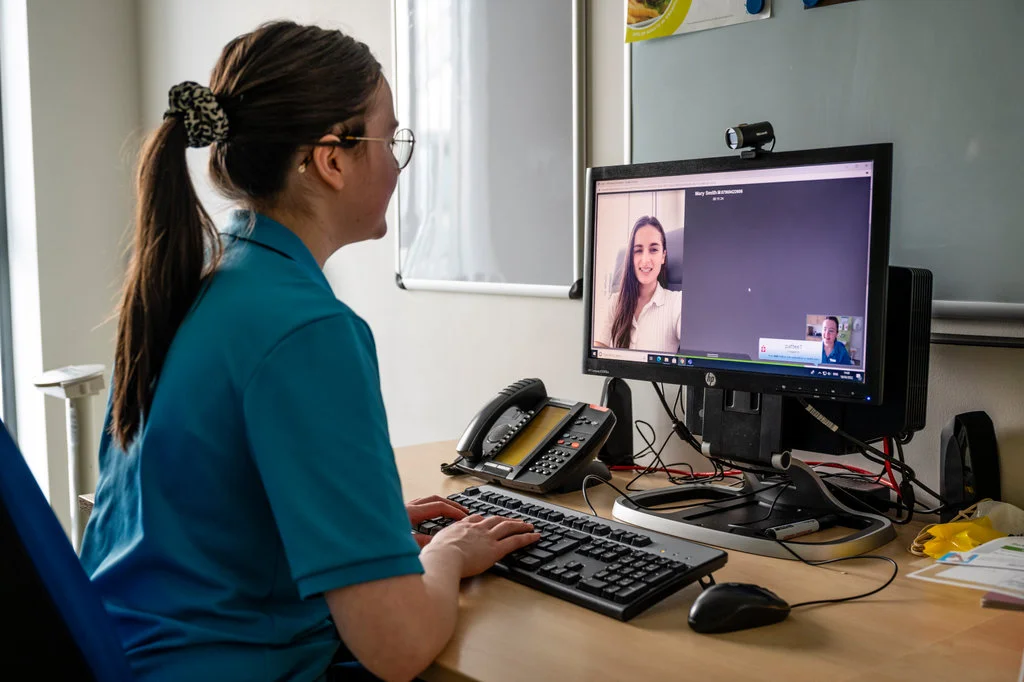
How Virtual GP Consultation Works
The process is simple and designed for patient convenience:
1. Booking an Appointment
Patients schedule an appointment through a clinic website, mobile app, or hotline. Many platforms offer same-day or instant consultations.
2. Pre-Consultation Information
Patients may be asked to provide:
- Medical history
- Current symptoms
- Medication list
- Previous reports (if available)
This helps the GP prepare for the session.
3. The Consultation Session
At the scheduled time, the patient connects with the GP via video or phone. The doctor:
- Asks detailed questions
- Evaluates symptoms
- Provides preliminary diagnosis
- Offers medical guidance
4. Prescription or Referral
If needed, the GP may:
- Issue an electronic prescription
- Recommend lab tests or imaging
- Refer the patient to a specialist or hospital
5. Follow-Up Care
Patients may schedule follow-ups to monitor progress or adjust treatment plans.
Key Benefits of Virtual GP Consultation
1. Maximum Convenience
One of the biggest advantages is the ability to access healthcare from anywhere. Patients can consult a GP:
- From home
- From the workplace
- While traveling
This eliminates commuting and waiting time.
2. Time Efficiency
Traditional clinic visits can involve long waiting periods. A virtual GP consultation significantly reduces delays, making healthcare more efficient for both patients and doctors.
It is especially useful for:
- Busy professionals
- Parents with young children
- Elderly patients
- Individuals with mobility challenges
3. Improved Access to Healthcare
Virtual consultations make healthcare more accessible, particularly for individuals living in remote areas or those who struggle to visit clinics frequently.
It ensures that medical advice is always within reach.
4. Reduced Risk of Infection
By avoiding crowded clinics and hospitals, patients reduce their exposure to contagious diseases such as flu, COVID-19, and other infections.
This makes virtual GP consultation a safer alternative for mild and non-emergency conditions.
5. Cost-Effective Healthcare
In many cases, virtual consultations are more affordable than in-person visits. They also reduce indirect costs such as transportation, parking, and time off work.
6. Continuity of Care
Patients with chronic conditions benefit greatly from regular virtual follow-ups. Conditions such as:
- Diabetes
- Hypertension
- Asthma
- Thyroid disorders
can be monitored effectively through remote consultations.
7. Mental Health Support
Virtual GP consultation is highly effective for mental health care. Patients can comfortably discuss:
- Anxiety
- Depression
- Stress
- Sleep disorders
in a private and familiar environment, improving communication and comfort.
Conditions Suitable for Virtual GP Consultation
Virtual GP consultations are ideal for non-emergency and general health concerns, including:
Common Illnesses
- Cold and flu
- Fever
- Headaches
- Sore throat
Skin and Allergy Issues
- Rashes
- Acne
- Mild allergic reactions
- Skin irritations
Medical Guidance
- General health advice
- Preventive care
- Lifestyle recommendations
Medication Management
- Prescription renewals
- Dosage adjustments
- Medication reviews
Follow-Up Consultations
- Post-treatment monitoring
- Lab result discussions
- Chronic disease management
When In-Person Consultation Is Required
Despite its advantages, virtual GP consultation has limitations. Patients should visit a clinic or hospital when:
- Severe chest pain or breathing difficulty occurs
- Emergency conditions arise
- Physical examination is necessary
- Diagnostic imaging or lab testing is required
- Symptoms worsen or become unclear
Doctors are trained to identify when in-person care is essential.
Technology Behind Virtual GP Consultation
Modern virtual healthcare systems rely on advanced technologies, including:
1. Secure Video Platforms
Encrypted systems ensure patient privacy during consultations.
2. Electronic Health Records (EHR)
Doctors can access patient history instantly for better diagnosis.
3. AI-Assisted Tools
Some platforms use AI to:
- Pre-screen symptoms
- Suggest possible conditions
- Improve diagnostic accuracy
4. Mobile Health Applications
Apps allow patients to:
- Book appointments
- Store medical records
- Receive prescriptions
- Communicate with doctors
Safety, Privacy, and Data Protection
A reliable virtual GP consultation service follows strict safety standards:
- End-to-end encryption for communication
- Verified medical professionals
- Secure storage of patient data
- Compliance with healthcare regulations
- Confidential handling of medical information
Patients should always choose licensed and reputable healthcare providers.
How to Prepare for a Virtual GP Consultation
To get the most out of your consultation:
- Ensure a stable internet connection
- Sit in a quiet, private space
- Write down your symptoms in advance
- Keep medical history and reports ready
- List all current medications
- Be honest and detailed with your symptoms
Proper preparation leads to more accurate diagnosis and better treatment.
Challenges of Virtual GP Consultation
While highly effective, virtual healthcare has some limitations:
- No physical examination
- Limited diagnostic capabilities
- Technology dependence
- Not suitable for emergencies
- Possible communication barriers in complex cases
However, these limitations are often addressed through proper triage and follow-up systems.
The Future of Virtual GP Consultation
The future of healthcare is increasingly digital. Virtual GP consultation is expected to expand further with:
- AI-powered diagnostics
- Wearable health monitoring devices
- Integrated hospital systems
- Real-time health tracking
- Improved telemedicine infrastructure
These innovations will make healthcare more predictive, personalized, and efficient.

Conclusion
A virtual GP consultation is transforming the healthcare experience by making medical care more accessible, efficient, and patient-friendly. It bridges the gap between patients and doctors through technology, ensuring timely medical support without geographical limitations.
While it does not replace all in-person visits, it serves as a powerful complement to traditional healthcare systems. As technology continues to advance, virtual GP consultation will play an even greater role in delivering modern, high-quality healthcare.
FAQs – Virtual GP Consultation
1. What is a virtual GP consultation?
A virtual GP consultation is a remote appointment where you speak with a qualified General Practitioner using video call, phone call, or a secure online platform to receive medical advice, diagnosis, and treatment recommendations.
2. Is a virtual GP consultation as effective as an in-person visit?
Yes, for many non-emergency conditions such as colds, flu, allergies, skin issues, and follow-ups, a virtual GP consultation is highly effective. However, physical examinations and emergency cases still require in-person visits.
3. Can I get a prescription during a virtual GP consultation?
Yes, in most cases a GP can issue an electronic prescription after assessing your symptoms and medical history during the virtual consultation.
4. What conditions can be treated through a virtual GP consultation?
Common conditions include minor infections, cold and flu symptoms, skin conditions, allergies, mental health concerns, and chronic disease follow-ups such as diabetes or hypertension.
5. Is my personal information safe during a virtual GP consultation?
Yes, reputable healthcare providers use secure and encrypted systems to protect your personal and medical information, ensuring confidentiality throughout the consultation process.