Heart disease remains one of the leading causes of illness worldwide, and early detection plays a critical role in prevention and treatment. An ECG for heart health is one of the simplest and most effective diagnostic tools available to monitor your heart’s condition. Whether you are managing stress, living with risk factors, or simply prioritizing preventive care, understanding the importance of an ECG can help you make informed decisions about your cardiovascular wellness.
At Peshawar Medical Center, preventive cardiac screening is an essential part of maintaining long-term heart health through accurate testing and expert evaluation.
What Is an ECG?
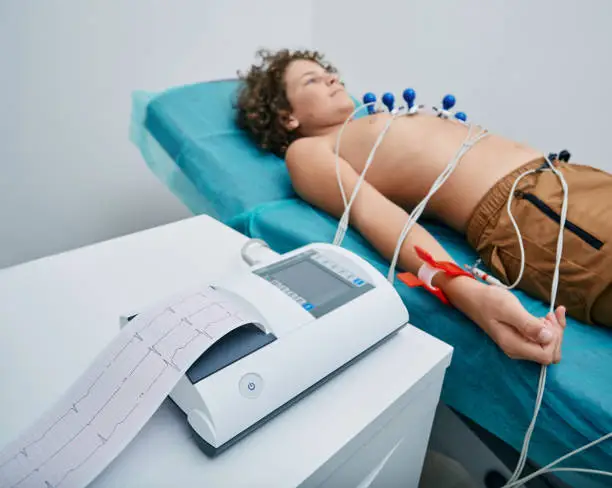
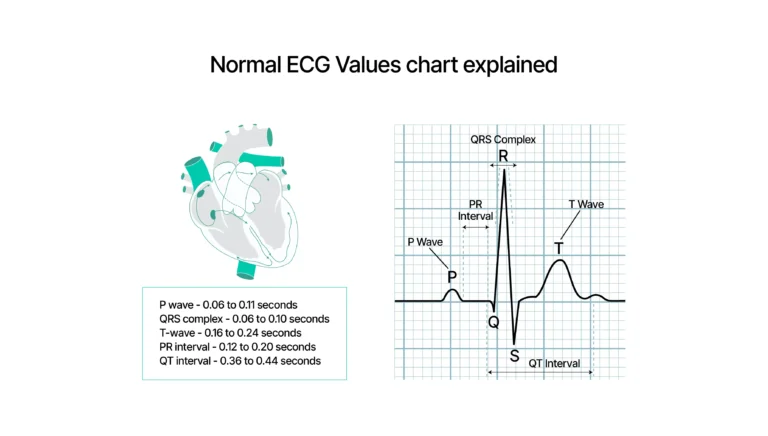
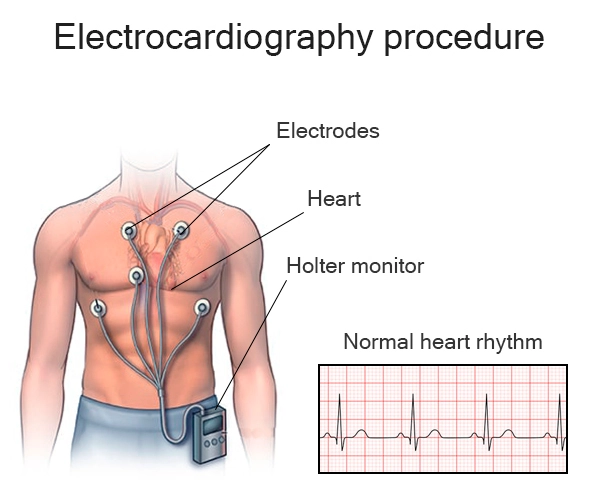
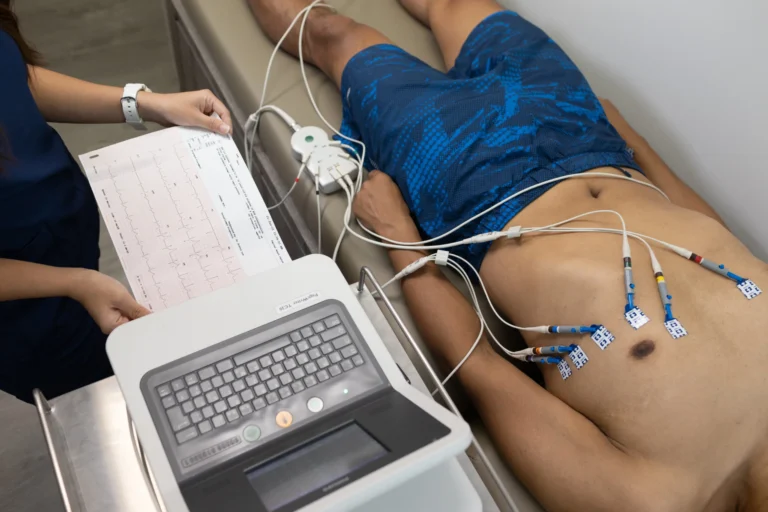
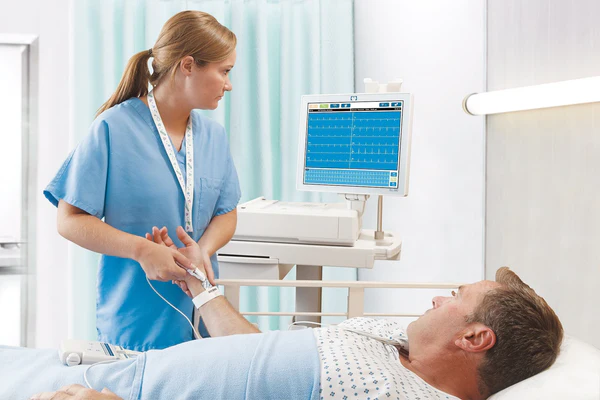
An electrocardiogram (ECG) is a quick, non-invasive test that records the electrical activity of the heart. Each heartbeat is triggered by electrical impulses, and the ECG machine captures these signals through small electrodes placed on the chest, arms, and legs.
The procedure typically takes 5–10 minutes and is completely painless. The results provide valuable insights into how well your heart is functioning.

Why Is ECG Important for Heart Health?
An ECG for heart health helps detect various cardiac conditions, including:
- Irregular heart rhythms (arrhythmias)
- Signs of heart enlargement
- Reduced blood flow to the heart
- Evidence of previous or ongoing heart attacks
- Effects of high blood pressure on the heart
Because some heart conditions develop silently without noticeable symptoms, routine ECG for heart health screening can identify problems before they become serious.
Who Should Consider an ECG?
While anyone can benefit from periodic heart screening, certain individuals should strongly consider including ECG for heart health in their wellness plan.
1. People with High Stress Levels
Chronic stress can increase heart rate and blood pressure over time, potentially leading to heart strain.
2. Individuals with Risk Factors
If you have high blood pressure, diabetes, high cholesterol, obesity, or a family history of heart disease, regular ECG monitoring is advisable.
3. Those Experiencing Symptoms
Seek medical evaluation if you experience:
- Chest discomfort
- Palpitations
- Shortness of breath
- Dizziness
- Unexplained fatigue
4. Adults Over 40
Routine heart assessments become increasingly important with age, even without symptoms.
Benefits of Including ECG in Your Wellness Plan
Early Detection
Identifies abnormalities before complications arise.
Baseline Monitoring
Provides a reference point for future comparisons.
Quick and Affordable
A simple outpatient test with immediate results in most cases.
Peace of Mind
Reassurance about your heart’s condition supports overall well-being.
ECG and Preventive Cardiac Care
Preventive care is the cornerstone of heart health. An ECG alone does not replace a comprehensive cardiac evaluation, but it plays a crucial role when combined with:
- Blood pressure monitoring
- Cholesterol testing
- Blood sugar assessment
- Healthy lifestyle habits
Regular exercise, balanced nutrition, stress management, and adequate sleep further strengthen your cardiovascular system.
Healthcare professionals at Peshawar Medical Center emphasize early screening and personalized guidance to reduce long-term heart risks.
How Often Should You Get an ECG?
The frequency of ECG for heart health depends on your age, medical history, and risk profile. For healthy adults, an ECG for heart health may be included in routine annual checkups, while individuals with heart conditions or risk factors may need more frequent monitoring as recommended by their physician.
Conclusion
An ECG for heart health is a powerful yet simple tool that supports early detection and preventive care. In today’s high-stress environment, being proactive about cardiac screening can significantly reduce the risk of serious complications. By combining regular ECG testing with healthy lifestyle choices, you can protect your heart and ensure long-term wellness.
Frequently Asked Questions (FAQs)
1. Is an ECG painful?
No, an ECG is completely painless. Small electrodes are placed on your skin to record electrical signals, and the test usually takes only a few minutes.
2. Can an ECG detect all heart problems?
An ECG can detect many heart rhythm abnormalities and signs of heart strain or damage. However, additional tests such as echocardiography or stress testing may be required for a complete evaluation.
3. How long does an ECG test take?
The procedure typically takes 5–10 minutes, and results are often available immediately after the test.
4. Do I need to prepare for an ECG?
Generally, no special preparation is required. You may be asked to avoid lotions or oils on your chest before the test to ensure proper electrode attachment.
5. How often should I get an ECG for heart health?
For healthy individuals, an ECG may be included in annual checkups. If you have risk factors or symptoms, your doctor may recommend more frequent testing.