Dubai’s diverse population, hot climate, and fast-paced lifestyle create unique health challenges for residents and visitors. Understanding the common illnesses in the region and knowing when to seek a medical assessment can prevent complications and support long-term wellness. At Peshawar Medical Center in Dubai, our general practitioners provide expert preventive guidance and early-detection services to help individuals stay healthy throughout the year.
1. Heat Related Conditions
Dubai is known for its extremely hot temperatures, which often exceed 40°C during the summer. This intense heat contributes to several common illnesses, including:
Heat Exhaustion
Symptoms: heavy sweating, weakness, dizziness, headache, nausea
Risk factors: prolonged sun exposure, inadequate hydration, strenuous outdoor activity
Heatstroke
A medical emergency characterized by confusion, rapid pulse, high body temperature, and loss of consciousness.
Dehydration
One of the most frequent heat-related issues, especially in outdoor workers and children.
Prevention Tips
- Drink water consistently (minimum 2–3 liters daily)
- Avoid direct sunlight during peak hours (12 PM–4 PM)
- Use umbrellas, hats, and sunscreen
- Wear breathable cotton clothing
When to seek a medical assessment:
If dizziness, vomiting, or extreme fatigue persists after cooling down and hydrating.

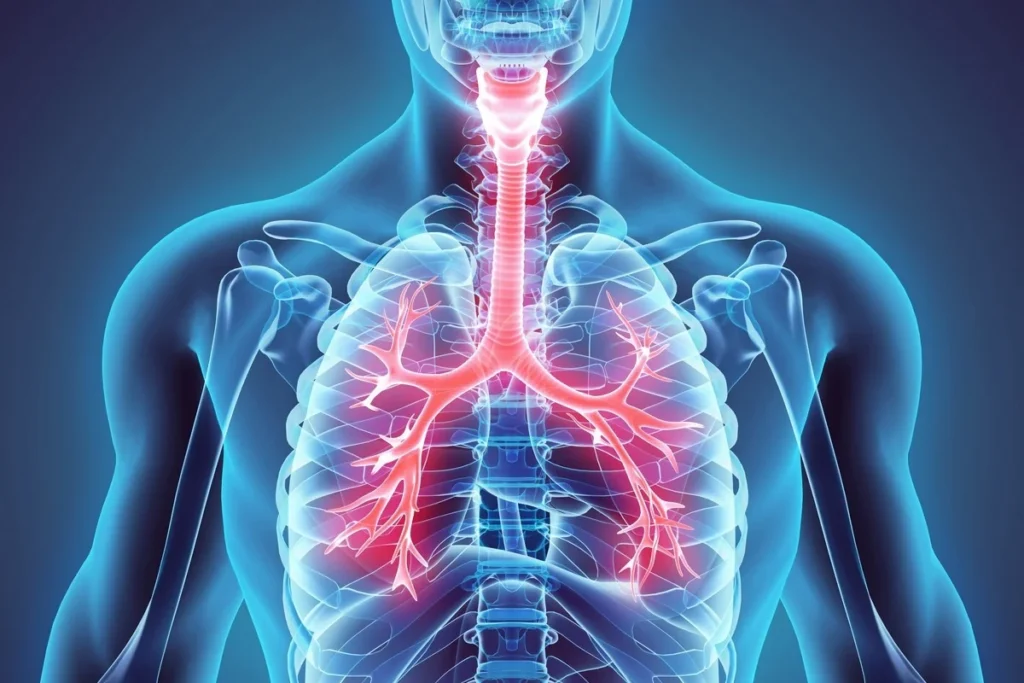
2. Respiratory Illnesses
Seasonal dust storms, heavy AC usage, and airborne allergens contribute to respiratory problems—some of the most common illnesses seen in Dubai.
Asthma and Allergy Flare-ups
Dust, sand particles, and indoor allergens can trigger wheezing, coughing, and shortness of breath.
Sinusitis
Symptoms include sinus pressure, headaches, and nasal congestion, often triggered by sudden temperature changes between indoor AC and outdoor heat.
Chronic Cough and Rhinitis
These are often due to prolonged exposure to cold air from ACs or environmental sensitivities.
Prevention Tips
- Clean AC filters regularly
- Use humidifiers to reduce indoor dryness
- Minimize exposure to dust storms
- Consider allergy testing at a clinic
When to seek a medical assessment:
If you experience labored breathing, recurrent cough, fever, or symptoms lasting longer than 10 days.
3. Gastrointestinal Infections
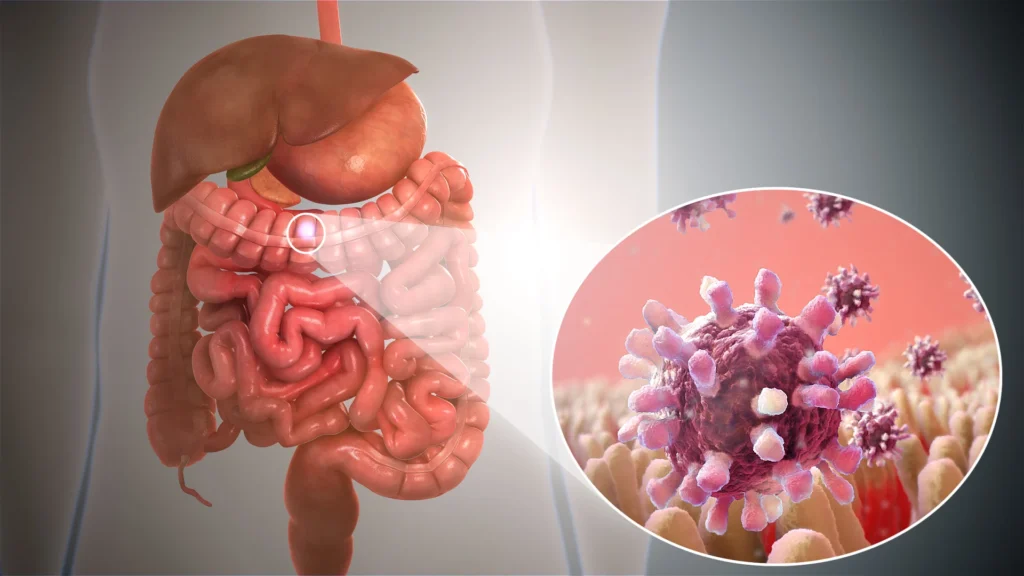
Foodborne illnesses are among the common illnesses presented in clinics, especially during high-humidity seasons.
Food Poisoning
Caused by contaminated food or water, leading to vomiting, diarrhea, and abdominal cramps.
Viral Gastroenteritis (Stomach Flu)
Highly contagious and often spreads in workplaces, schools, and public areas.
Traveler’s Diarrhea
Common among newcomers adjusting to different food preparation methods.
Prevention Tips
- Choose restaurants with high hygiene ratings
- Avoid undercooked meats
- Wash hands before meals
- Drink bottled or filtered water
When to seek a medical assessment:
If symptoms include persistent vomiting, high fever, severe dehydration, or blood in stool.
4. Chronic Lifestyle Related Conditions
Due to busy schedules and a fast lifestyle, many residents experience chronic health issues. These are not only common illnesses but also leading causes of long-term health complications.
Diabetes
The UAE has one of the highest diabetes rates globally. Poor dietary choices, sedentary habits, and genetics contribute significantly.
Hypertension (High Blood Pressure)
Often silent, hypertension can lead to strokes or heart disease if not detected early.
High Cholesterol
Results from unhealthy diets, smoking, and lack of physical activity.
Obesity
Linked to overeating, lack of exercise, and metabolic issues.
Prevention Tips
- Engage in 150 minutes of exercise weekly
- Choose whole grains, fruits, and vegetables
- Reduce sugary and fried foods
- Manage stress through relaxation techniques or counseling
Role of medical assessment:
Routine checkups detect early signs before symptoms appear, reducing risks of severe complications.

5. Vitamin D Deficiency
Despite its sunny climate, Dubai has a surprisingly high prevalence of vitamin D deficiency.
Why It’s Common
- Indoor lifestyles
- Limited sun exposure during morning hours
- Cultural clothing practices reducing skin exposure
Symptoms
Fatigue, bone pain, muscle weakness, low mood, frequent infections
Prevention Tips
- Safe sun exposure for 10–20 minutes
- Vitamin D-rich foods (eggs, fish, fortified milk)
- GP-guided supplementation
Importance of a medical assessment:
A simple blood test can confirm deficiency and guide treatment before bone or mood-related complications develop.

Why Medical Assessments Matter
A medical assessment at Peshawar Medical Center provides a full picture of your current health and potential risks. Regular checkups allow early diagnosis of common illnesses and prevent minor concerns from becoming serious.
A Complete Medical Assessment May Include:
- Full blood panel
- Blood pressure evaluation
- Diabetes and cholesterol screening
- Liver and kidney function tests
- Respiratory and allergy testing
- Nutritional and lifestyle guidance
Early detection can significantly reduce treatment time, cost, and potential long-term health issues.
Frequently Asked Questions (FAQs)
1. What are the most common illnesses in Dubai?
Heat-related problems, respiratory conditions, stomach infections, chronic diseases like diabetes, and vitamin deficiencies are among the most common illnesses.
2. How often do I need a medical assessment?
Adults should undergo a full medical assessment once a year, and more frequently if they have chronic symptoms or family history of illness.
3. Can lifestyle diseases be prevented?
Yes. Regular exercise, a healthy diet, reducing stress, and yearly checkups can significantly lower risks.
4. When should I see a GP?
Visit a GP at the first sign of persistent symptoms—fatigue, digestive problems, breathing difficulties, or unexplained pain.
5. Does Peshawar Medical Center offer preventive healthcare?
Yes. The clinic provides complete preventive screening, medical assessments, GP consultations, and personalized treatment plans.
Final Thoughts
Understanding the common illnesses in Dubai and taking preventive steps such as routine hydration, healthy eating, and regular medical assessments can greatly improve overall wellbeing.
Peshawar Medical Center in Dubai remains committed to providing reliable GP care, early detection, and preventive health solutions for the community.